


 Shkruar nga Pamfleti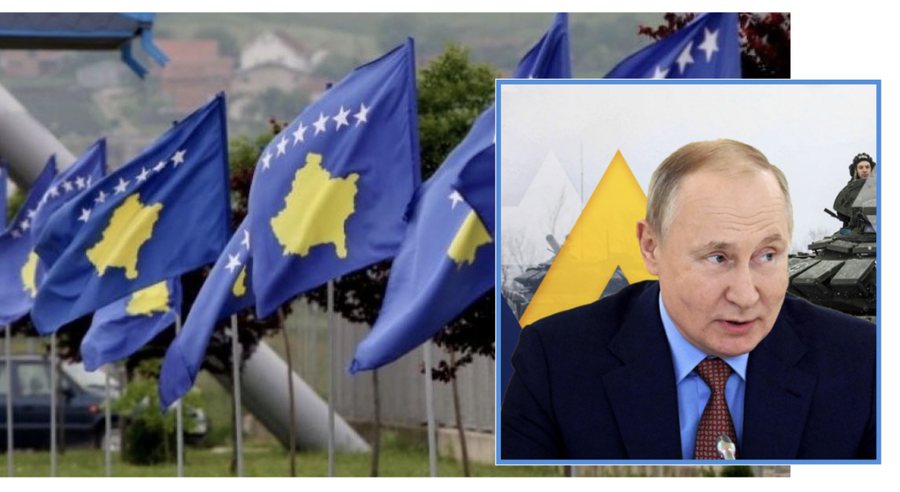
Russian state media, such as RT Balkan and Sputnik Serbia, do not prioritize providing information, but rather repeating the Kremlin's narrative...
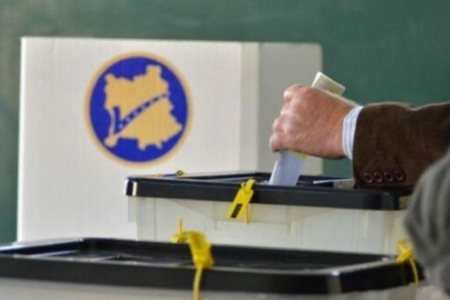
A free and transparent electoral process, without external interference or manipulation. This is the European Union's expectation for the local elections in Kosovo on Sunday, October 12.
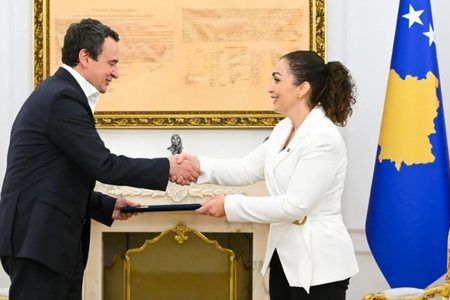
This week, Kosovo President Vjosa Osmani and acting Prime Minister Albin Kurti alleged that Serbia was interfering in the elections by offering jobs or financial assistance to the Serb community. The EU did not respond to a request for comment on these allegations. It also did not respond to a question about whether the EU was aware of any external influence on voters ahead of the local elections.
However, an EU spokesman told Kosovo’s public broadcaster (RTK) that “ all citizens must be able to exercise their right to vote freely, without external interference or manipulation .” He recalled that the EU’s observation mission for the parliamentary elections in February had determined that there had been external influence.
This observation mission revealed in its report that Russian state media, RT Balkan and Sputnik Serbia, which are supported by the Kremlin, published dozens of pieces of content about the elections in Kosovo during the campaign, which contained “manipulative information” about the Serbian community.
Jeta Loshaj, a researcher at the Kosovo Center for Security Studies, told "REL" that these Russian media outlets act as agenda-setters at sensitive political moments, such as elections, portraying events through the lens of victimization of the Serbian community in Kosovo and Western hostility towards Serbia and Russia.
“A clear example emerged during the campaign for the parliamentary elections in February 2025, when ‘RT Balkan’ and ‘Sputnik’ published articles claiming that there had been vote manipulation against Kosovo Serbs, claims that were then relayed by pro-government Serbian media and Telegram channels active in northern Kosovo,” says Loshaj, who researches Russian influence in the Western Balkan countries.
In this context, she notes that Russian influence in shaping public discourse and perceptions - particularly among Kosovo Serbs - remains significant.
-What kind of narrative did the Russian media spread during the campaign?
According to an analysis by “ REL ”, during the pre-election campaign for the local elections in Kosovo, ‘RT Balkan’ and Sputnik Serbia spread almost the same narrative as during the campaign for the parliamentary elections held on February 9: The Serbian List, the largest party of Kosovo Serbs that enjoys the support of Belgrade, is presented as the “protector of the interests” of the Serbian community.
The Kosovo authorities, on the other hand, are portrayed as exerting only pressure or “terror” on the Serbian community to force them to leave. Other Serbian political parties receive almost no media coverage, or are depicted as “traitors” who collaborate with the Kosovo authorities.
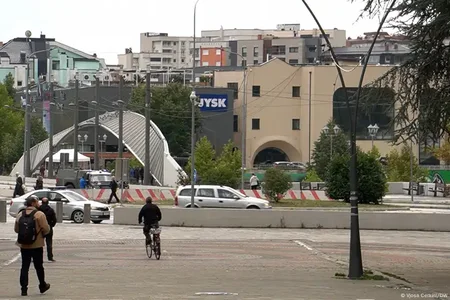
For example, a news story on 'RT Balkan' on October 8 stated that Serbian symbols in North Mitrovica were “targeted by vandals.” However, the news story was based only on the words of Milan Radojevic, the Serbian List candidate, and there was no verification from the police or any other source.
Sputnik Serbia sent similar messages. In an article on October 8, it reported the Serbian List’s statement that the upcoming elections are the most important since 1999, because “everything Serbian will be protected.” The outlet regularly covers Serbian List’s pre-election rallies, where messages about the need for unity are conveyed, while other political entities are not mentioned at all.
What is the reach of these media?
Loshaj says that Russian state media, such as RT Balkan and Sputnik Serbia, do not prioritize providing information, but rather "repeating the Kremlin's narrative."
“ Their direct reach is limited, but their indirect influence remains significant, as they push narratives into the broader sphere of Serbian-language information, which are then broadcast by regional tabloids, portals and social networks ,” says Loshaj.
Reporters Without Borders, in last year's report titled "From Russia to Serbia: How RT Spreads Kremlin Propaganda in the Balkans, Despite EU Sanctions?", stated that 'RT Balkan' content is quoted in media outlets in Serbia, including the public service, Radio Television of Serbia.
Kosovo has imposed sanctions on RT and Sputnik, in line with European Union policy and sanctions imposed on Russia due to its invasion of Ukraine. Therefore, the television channels of these media outlets are not available on cable operators. However, their online platforms are occasionally available, due to the dynamic nature of the internet.
Loshaj believes that Russian influence through the disinformation campaign will continue to grow, although, as she says, the direct impact on audiences is likely to remain limited, due to regulatory measures in Kosovo and the public's focus on socio-economic issues.
-Disinformation affects interethnic relations
Loshaj adds that disinformation narratives can affect interethnic relations or voter behavior in Kosovo, reinforcing existing feelings of resentment and distrust between communities.
She points out that a study by the Kosovo Center for Security Studies, highlighted that disinformation in Kosovo operates through a “mirror narrative,” informing two different communities in a completely opposite way, tailored to their beliefs and perceptions. The center’s research also showed that narratives like those in Russian media aim to undermine the credibility of Kosovo’s institutions and Western partners, such as the EU and NATO. This, according to the research, could increase the risk of security incidents.



Lini një Përgjigje