


 Shkruar nga Dragan Sormaz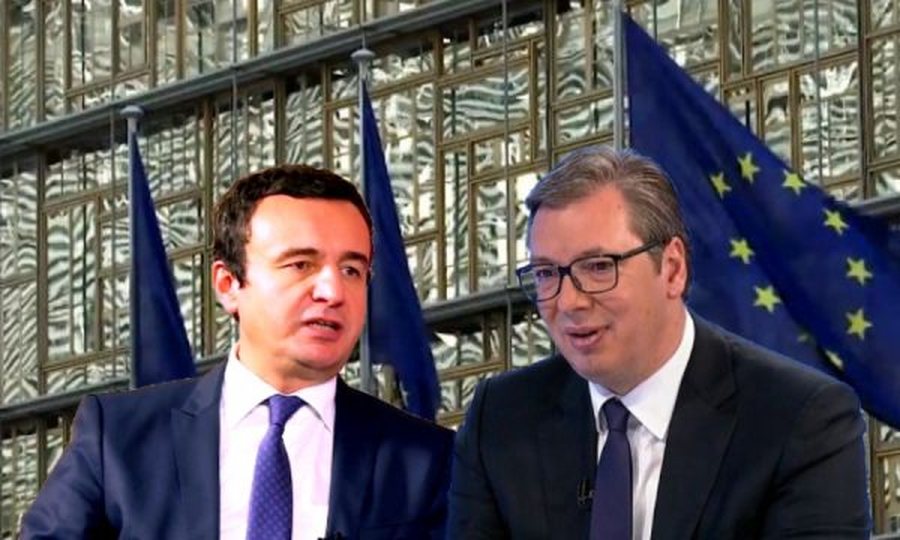
Kurti further complicates Serbian President Aleksandar Vučić's position by introducing a new condition for the continuation of the dialogue: the extradition of Milan Radoić from Serbia to stand trial for the terrorist act in Banjska...
The convincing victory of the Vetevendosje Movement and Albin Kurti in the Kosovo parliamentary elections did not bring a political surprise, but rather clarity. The citizens of Kosovo confirmed the continuation of a political course built on a strong sovereignist discourse, a tough negotiating stance towards Belgrade, and a clear rejection of any solution that, from Pristina’s perspective, could produce a new “Republika Srpska” in northern Kosovo. With this result, the last remaining illusions that the political scene in Pristina could change in a direction more favorable to the interests of official Belgrade were finally dispelled.
The new government, essentially a continuation of the previous one, faces the same main challenges: continuing the process of normalizing relations with Serbia and implementing the Brussels Agreement and the Ohrid Agreement. At the center of this process remains the formation of the Association of Serb-majority municipalities, an issue around which negotiations have stalled for years and political relations have repeatedly clashed.
In this context, according to this critical assessment, the regime in Serbia is misleading public opinion when it speaks of an “Association of Serbian Municipalities”, since legally there are no Serbian municipalities, but only municipalities in which Serbs constitute the ethnic majority. All municipalities in Kosovo are Kosovo municipalities, a reality that Kurti, as Prime Minister, has managed to consolidate in practice during the past period. As has been pointed out, it is enough to visit the official website of the Government of Serbia to see that even Belgrade itself uses the term “Association of Serbian Majority Municipalities”.
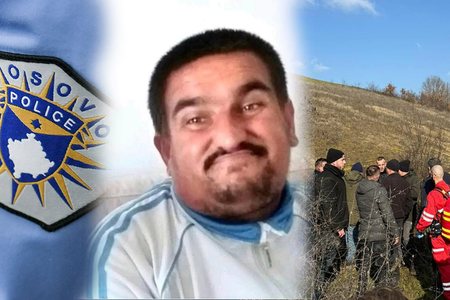
Kurti further complicates Serbian President Aleksandar Vučić’s position by introducing a new condition for the continuation of the dialogue: the extradition of Milan Radoić from Serbia to stand trial for the terrorist act in Banjska. Having demonstrated strong electoral support, Kurti is now combining this political capital with Vučić’s apparent weakening in the European Union and the United States, aiming to secure additional benefits for Kosovo in the period ahead.
Ndërkohë, bashkësia ndërkombëtare ka këmbëngulur prej kohësh që formimi i Asociacionit është një detyrim që rrjedh nga Marrëveshja e Brukselit dhe një parakusht për progresin evropian të Kosovës. Megjithatë, fitorja zgjedhore e Kurtit e ka forcuar ndjeshëm pozicionin e tij për ta kushtëzuar këtë proces. Si argument kyç, Prishtina thekson mungesën e bashkëpunimit të Beogradit në ndjekjen penale të atyre që janë përgjegjës për ngjarjet në Banjska, të cilat institucionet e Kosovës dhe një pjesë e bashkësisë ndërkombëtare i përshkruajnë si një sulm terrorist që synon të minojë rendin kushtetues dhe integritetin territorial të Kosovës.
Kurti ka përsëritur vazhdimisht se, brenda sistemit kushtetues dhe ligjor të Kosovës, ai nuk do të lejojë krijimin e një entiteti me kompetenca ekzekutive ose sigurie të ngjashme me ato të Republikës Srpska në Bosnjë dhe Hercegovinë. Sipas interpretimit të tij, një rregullim i tillë do të përbënte një burim të përhershëm jostabiliteti dhe një bazë të mundshme për aktivitete separatiste nga strukturat kriminale në veri të Kosovës. Pikërisht në këto linja pritet që qeveria e re e Kosovës të hartojë Statutin e Asociacionit dhe ta organizojë atë në thelb si pjesë të vetëqeverisjes lokale të Republikës së Kosovës, pa lidhje thelbësore me Beogradin. Një qasje e tillë gjen mbështetje edhe nga Bashkimi Evropian dhe Shtetet e Bashkuara, të cilat nuk dëshirojnë të krijojnë një shtet tjetër jofunksional në Ballkanin Perëndimor.
A e keni vënë re që “Lista Serbe” nuk përmendet? Sipas këtij këndvështrimi, nuk ka nevojë të përmendet. Është një grup i vogël përfaqësuesish politikë të lidhur ngushtë me Aleksandar Vuçiçin, me të cilët nuk pritet ndonjë dialog serioz, pikërisht për shkak të lidhjeve të tyre të drejtpërdrejta me strukturat që sulmuan ushtarët e KFOR-it në maj 2023 dhe me autorët e aktit terrorist në Banjska.
Duhet të kujtojmë se sipas Nenit 14 të Marrëveshjes së Brukselit, të dyja palët u zotuan të mos e pengonin njëra-tjetrën në rrugën drejt Bashkimit Evropian. Për këtë arsye, si Beogradi ashtu edhe Prishtina pritet të tregojnë gatishmëri për zgjidhje evropiane, të bazuara në kompromise dhe demokratike brenda kornizës së marrëveshjeve të arritura tashmë, në vend që t'i interpretojnë ato në mënyrë selektive.
Për Beogradin zyrtar, rezultatet e zgjedhjeve në Kosovë mbartin një rëndësi edhe më të thellë dhe më të pakëndshme. Strategjia që supozonte destabilizimin e veriut të Kosovës dhe mbajtjen e presionit të vazhdueshëm mbi Prishtinën do të sillte ndryshime politike dhe një bashkëbisedues më “të favorshëm” ka dështuar. Kjo llogaritje e gabuar është e lidhur me një sërë gabimesh të tjera, nga pritjet jorealiste rreth rikthimit të Donald Trump deri te mbështetja në kanalet personale dhe informale të ndikimit në Uashington.
Aleksandar Vučić’s regime has failed to fulfill its obligations under the 2020 Washington Agreement, thus exhausting the limited goodwill that existed during Donald Trump’s first administration. In the new configuration of American power, neither Richard Grenell nor Rudolph Giuliani, figures in whom Belgrade had invested politically for years, wasting millions of dollars on ineffective and amateurish lobbying, remain. The scandal known as the “General Staff” affair has further compromised Vučić, effectively excluding him from the circle of potential allies within Trump’s political environment.
At the same time, Trump's chronic lack of interest in the Western Balkans, perceived by him as an economically peripheral region, has opened space for the growing influence of Germany and Turkey, two regional powers whose interests often directly conflict with the policies of the current regime in Belgrade. The result is the complete collapse of Vučić's regional strategy: in just a few years, Serbia has gone from a self-proclaimed "regional leader" to an increasingly isolated actor, with a growing role as a satellite of Russia.
In such an imbalance of power and political positioning, Belgrade will face increasing pressure and a decreasing real influence on the processes related to Kosovo. In the medium term, a scenario in which Kosovo becomes a member of the European Union and NATO before Serbia is not unimaginable. Such a development would represent the final symbolic and political act of a long process during which Serbia, through misjudgments and missed opportunities, has lost almost all leverage over an issue that it has considered a central state interest for decades.
If it wants to avoid such an outcome, Belgrade will have to face reality, and this reality is clearly less favorable today than it was just a few years ago. Nationalism, radicalism, and Russophilia appear as structural “diseases” of Serbia, pushing the country towards marginalization and political irrelevance. Unfortunately, according to this critical view, even the alternative to Vučić, embodied in the student list, fails to clearly recognize this problem. Under the justification of the need for a “comprehensive” approach to overthrow the regime, nationalist narratives and the myth of the “Kosovo pact” continue to dominate their ranks.
The reality is that Vučić has not been significantly weakened by the opposition, but mainly by his wrong foreign policy. However, this topic, as mentioned, will be addressed in a separate analysis to follow./ Adapted from “Pamphlet” by “TheGeopost”





Lini një Përgjigje