


 Shkruar nga Pamfleti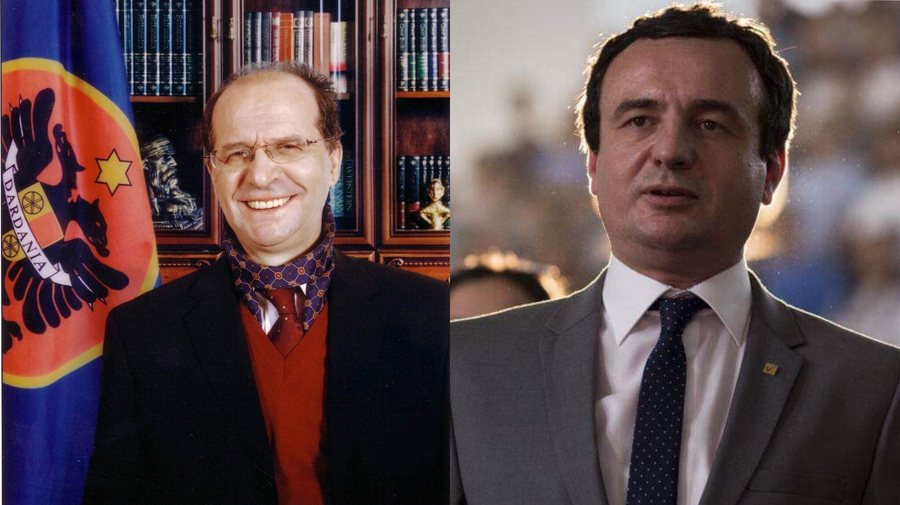
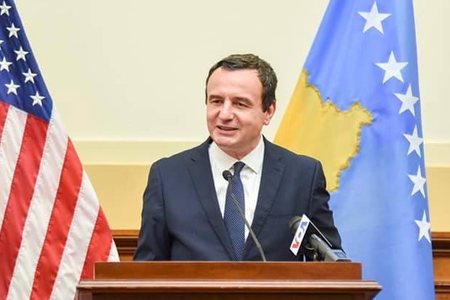
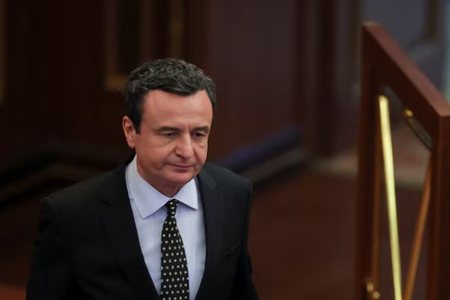
Acting Prime Minister, Albin Kurti, commemorated the 20th anniversary of the death of former President of Kosovo, Dr. Ibrahim Rugova.
He has described him as a key figure in state-building, political pluralism, and the internationalization of the Kosovo issue.
Kurti emphasized that the period of democratization and internationalization of Kosovo is closely linked to the name of Rugova, who was the first and longest-serving leader of the Democratic League of Kosovo (LDK), from its founding on December 23, 1989 until his death on January 21, 2006.
According to the Prime Minister, Rugova led Kosovo in an extremely difficult period, when Serbia had imposed an apartheid regime and denied the existence of the Republic of Kosovo. He was elected President of Kosovo on May 24, 1992, leading a legally and politically unique state, which at that time was recognized only by the Republic of Albania.
"His consistency in peaceful resistance and wisdom in thought and action paved the way for Kosovo in international forums and tables, to meetings with world leaders, including US President Bill Clinton," Kurti wrote on Facebook.
He emphasized Rugova's role in Kosovo's western orientation and in the correct articulation of its cause in the international arena, adding that Rugova was the first President of Kosovo both before and after liberation.
Kurti also recalled the academic life of Ibrahim Rugova, born on December 2, 1944 in Cerrcë, Istog, who was a renowned scholar of Albanian literature and language, author of dozens of scientific studies and books, as well as a researcher at the Albanological Institute in Pristina.
"On the 20th anniversary of his passing, we honorably remember Dr. Ibrahim Rugova, the First President of Kosovo, the intellectual and leader who has occupied a special place in the political and cultural history of the country ," he concluded.




Lini një Përgjigje