


 Shkruar nga Pamfleti
A Macedonian policeman, arrested in Kosovo, is suspected of having produced around 2 million counterfeit coins of the 2-euro stamp, the European Union Agency for Cooperation in Criminal Justice (Eurojust) has said. Thousands of coins that were forged by his group ended up in Kosovo.
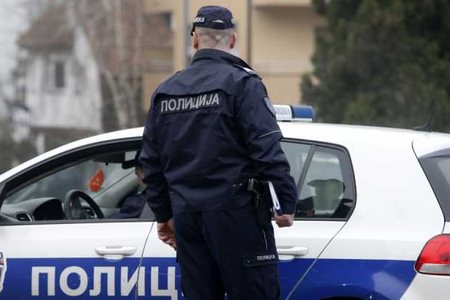
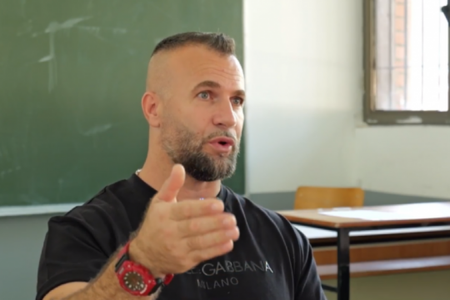
The 34-year-old policeman, instead of chasing counterfeiters and criminals, turned into a money counterfeiter. The person arrested, on August 4, in Pristina, is from Resnja, North Macedonia. He worked in the Macedonian Police department for fighting serious crimes and organized crime.
"The investigation will aim to uncover the full extent of counterfeiting of the coins," Eurojust said.
Radio Free Europe's sources from the investigation said that the arrested person was part of a network of counterfeiters, but not the "brains" of the operation. His arrest was made after months of planning by the Macedonian and Kosovar authorities, with the support of Eurojust and the European Police Agency (EUROPOL).
Colleagues of the policeman arrested by the Department for the fight against serious crimes and organized crime also participated in the investigation that was carried out against him, according to the Office of the Basic Public Prosecution. Intelligence officials, investigators and prosecutors from Kosovo and North Macedonia participated in this months-long investigation.
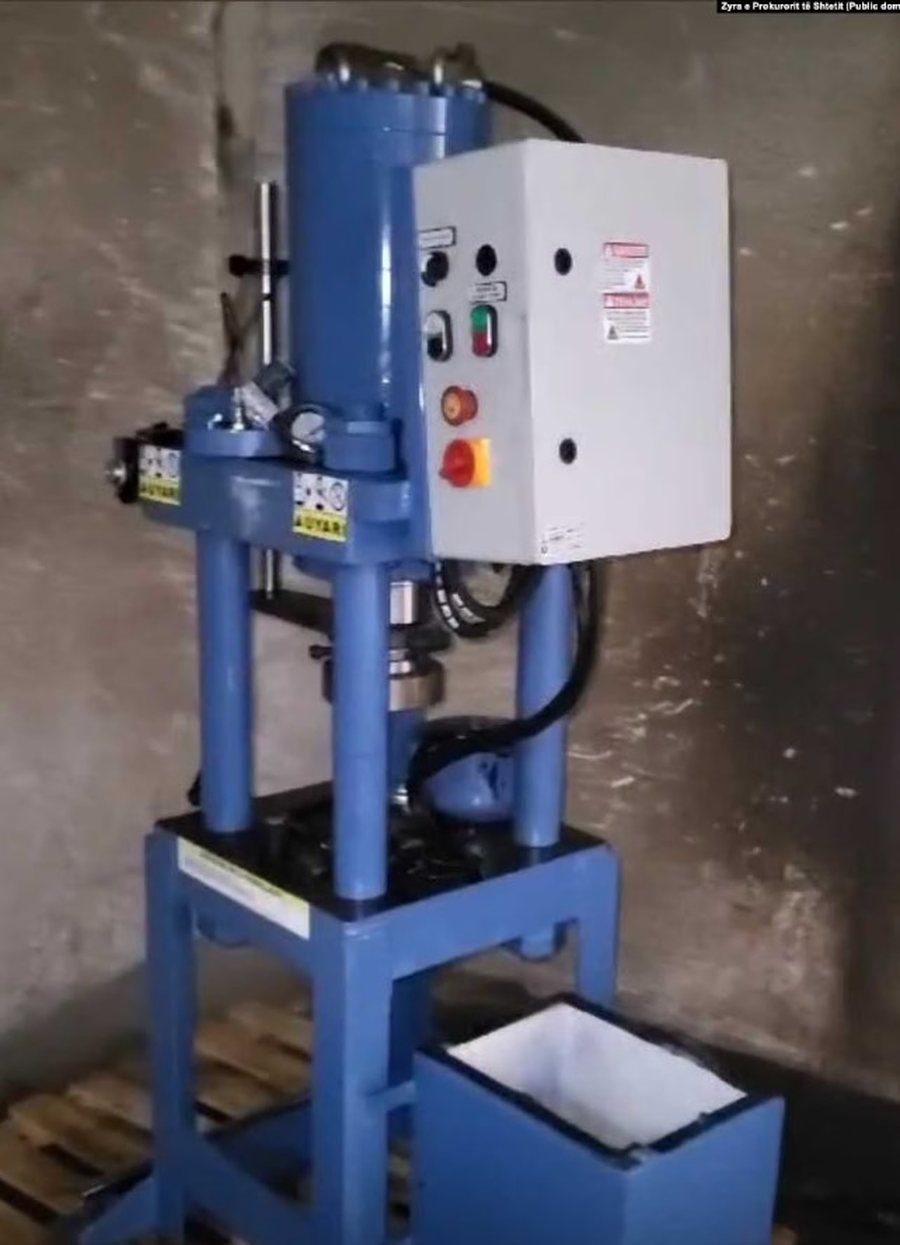
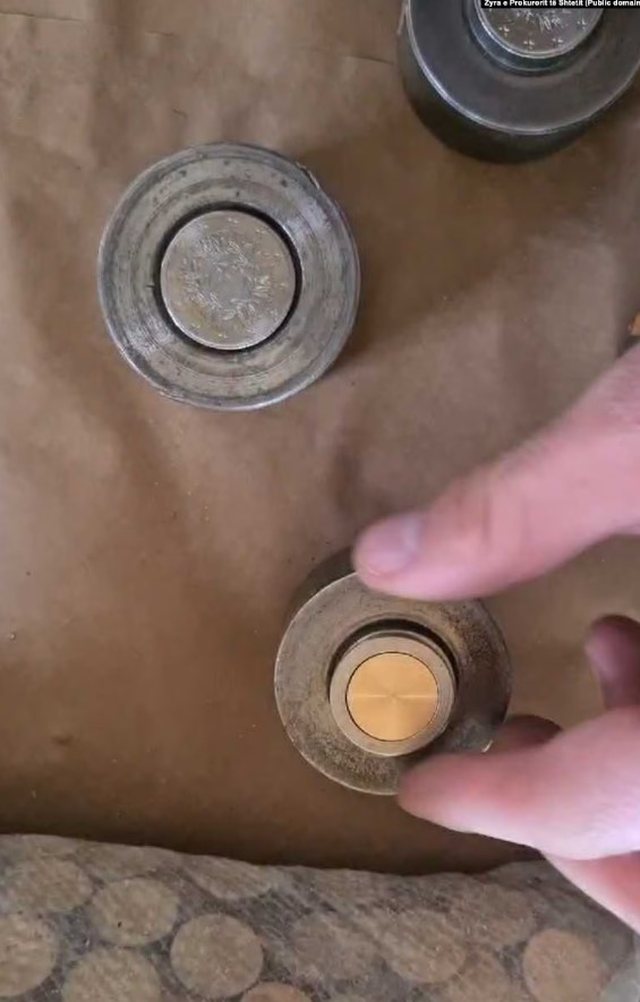
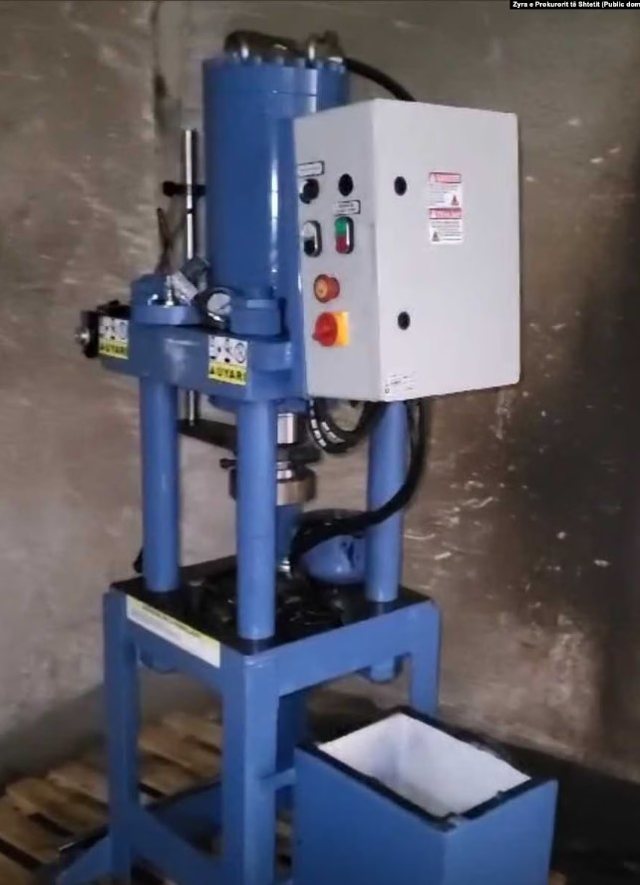
The counterfeit money was produced with two machines in a basement in Skopje.
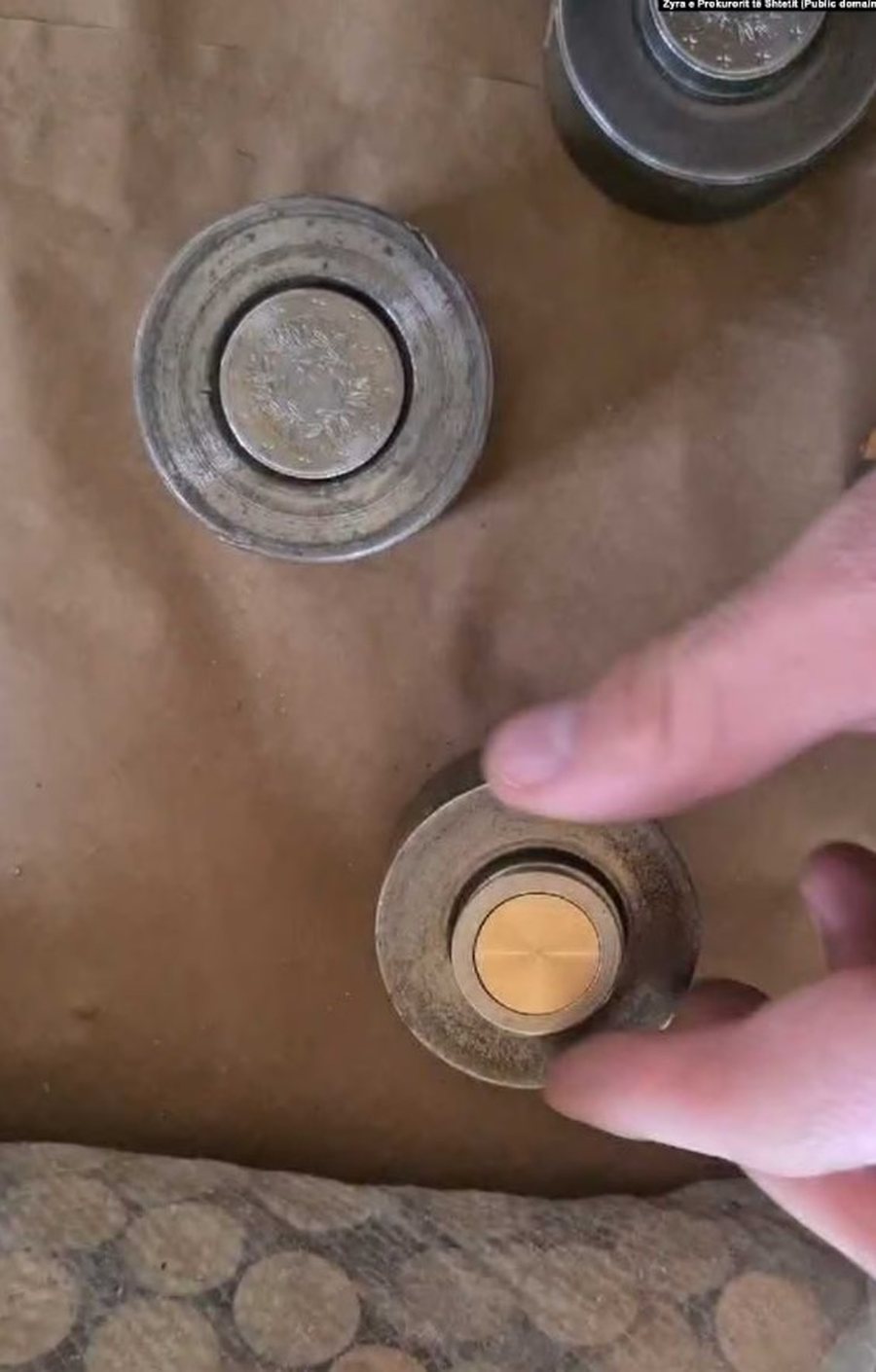
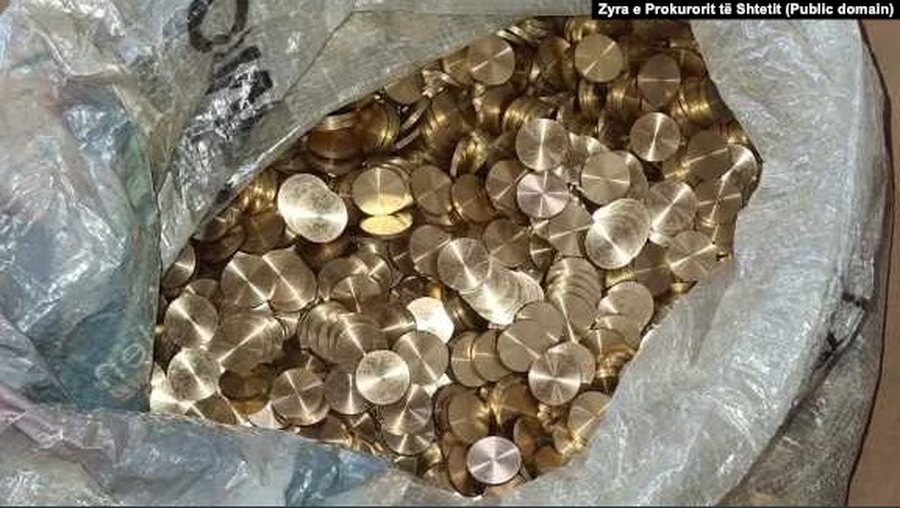
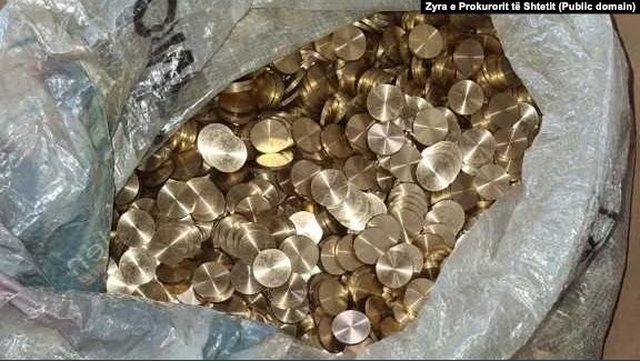
The police also seized two bags of coins. Counterfeiters used six different versions found on the side of the 2-euro coin.
In the joint announcement of the Macedonian and Kosovar prosecutors, it was said that hundreds of thousands of fake coins "produced" in North Macedonia had "flooded" the Kosovo market since last year. But, in the latest announcement of the Central Bank of Kosovo, it is understood that the problem with counterfeit money is even bigger.
This is due to the fact that in a year and a half, the CBK has withdrawn from circulation 2.5 million coins of 2 euros, which reach the total value of 5 million euros.
This institution said that around 54,000 denominations of 2 euros have been detected and prevented from entering the financial system, "removing them from circulation as counterfeit money".
But the counterfeit money in the basement in Skopje did not end up only in Kosovo. They also circulated in the country where they were produced, in North Macedonia. Counterfeit money entered circulation in Macedonian territory through the tolls paid to cross the highways, since only there the use of foreign currencies is allowed.
The bank responsible for collecting these revenues then sent the suspicious coins to the Macedonian National Bank for verification.
Banka Kombëtare e Maqedonisë së Veriut i tha Radios Evropa e Lirë se në tre vjetët e fundit, ata kanë zbuluar më shumë se 50.000 euro monedha false.
Kjo bankë kryen inspektime dhe analizime të ndryshme për të përcaktuar nëse monedhat janë origjinale apo false.
Vetëm vitin e kaluar, një total prej 11.489 euro metalike janë zbuluar, nga të cilat 11.112 ishin monedha prej 2 euro dhe 367 në vlerë prej 1 euro. Më 2022, 10.717 monedha prej 2 euro dhe 231 prej 1 euro po ashtu u zbuluan se ishin të falsifikuara, tha Banka Kombëtare për REL-in.
Arrestimi i punonjësit të MPB-së maqedonase nuk ishte rasti i parë që një shtetas maqedonas është arrestuar në Kosovë nën dyshimet se ka futur në qarkullim monedha të falsifikuara. Dhjetorin e vitit të kaluar, Zyra e Prokurorit Special të Kosovës njoftoi për arrestimin e tre shtetasve maqedonas dhe tre kosovarëve, pasi iu gjetën 2-eurosha të falsifikuara në vlerë prej 85.000 eurosh.
Ata ishin arrestuar më 28 nëntor, ndërsa më pas Prokuroria kosovare bëri të ditur se gjatë operacionit u gjetën gjithsej 42.505 monedha prej 2 eurove.
Atëbotë, Prokuroria deklaroi se ata kishin futur në disa çanta paratë e falsifikuara, duke i kamufluar në atë formë që të dukeshin si mallra të zakonshme dhe më 28 nëntor i kishin dërguar në Kosovë.
Prokuroria Speciale tha se tre maqedonasit e dyshuar ishin takuar me tre të dyshuarit kosovarë në një fshat afër Ferizajt për të vazhduar më pas së bashku drejt Prishtinës.
Kosova nuk është pjesë e Eurozonës, por përdor euron.
Në korrikun e vitit të kaluar, në Kosovë u regjistruan të paktën dy raste të tjera kur u konfiskuan mijëra euro të falsifikuara, që kishin hyrë në shtet nga Maqedonia e Veriut dhe Turqia.
Atëbotë, Shërbimi i Kosovës i Radios Evropa e Lirë bisedoi me disa pronarë të llogarive në aplikacionin TikTok, të cilët konfirmuan se mund të sillnin në Kosovë para të falsifikuara. Për të mos kryer vepër penale, REL-i nuk porositi para false nga këto dy profile, për të konfirmuar nëse ato dërgohen vërtet ose jo.
Policia e Kosovës nuk i ishte përgjigjur REL-it nëse po hetonte këto profile apo personat që pretendonin se i menaxhonin këto llogari në rrjetet sociale.
Sipas Kodit Penal të Kosovës, kushdo që prodhon para të falsifikuara për t’i vënë në qarkullim si të vërteta, dënohet me burgim prej një deri në dhjetë vjet.
Për kriminelët, ky është biznes fitimprurës sepse shumë rrallë ndonjë tregtar ose pagues nuk i kontrollojnë nëse paratë janë false, edhe pse këtë mund ta bëjë lehtësisht.
Monedhat origjinale një, dy dhe pesë centë janë prej bakri të veshur me çelik dhe janë shumë magnetike. Ndërsa unazat e jashtme e monedhave origjinale prej 1 dhe 2 euro, por edhe i 10, 20 dhe 50 centëve, nuk janë metalike, sipas ekspertëve të Bankës Qendrore të Gjermanisë.
Profits from counterfeit money "go under the radar", as these coins can circulate very easily due to their low economic value and are used in everyday trade. They are less often detected due to their small value, unlike paper coins, which have a greater value.
According to Macedonian laws, for circulation of counterfeit money a person can be sentenced from one to ten years in prison. However, if the crime has caused "unrest in the country's economy", a sentence of at least five years of imprisonment is provided.
According to the laws in North Macedonia, anyone who accidentally paid or received counterfeit money is punished, ie the money is confiscated without the right to compensation.
In the last two years, the European Central Bank has warned of a large "flood" of counterfeit money in markets throughout the Eurozone.
For example, in 2023 approximately 115,9000 counterfeit coins were detected during payments made in Germany, while this number in 2022, according to the data of the German Central Bank, was about 73,400. According to statistics, there were 14 counterfeit coins per 10,000 inhabitants in Germany.
In April this year, Spanish police cracked down on a criminal group suspected of distributing counterfeit €2 coins across Europe. With the help of EUROPOL, workshops where counterfeit money was produced were found in Toledo, Spain. This gang had introduced almost 500,000 "high quality" counterfeit coins into the European market. Ten people, reported to be Chinese nationals, were arrested.
According to the news agency, DPA, the investigation "was extremely difficult, not only because the gang was so secretive, but also because it is practically impossible to trace the counterfeit money".
By December 2021, almost 141 billion coins were in circulation across the Eurozone, according to data from the European Central Bank./ REL


Lini një Përgjigje