


 Shkruar nga Pamfleti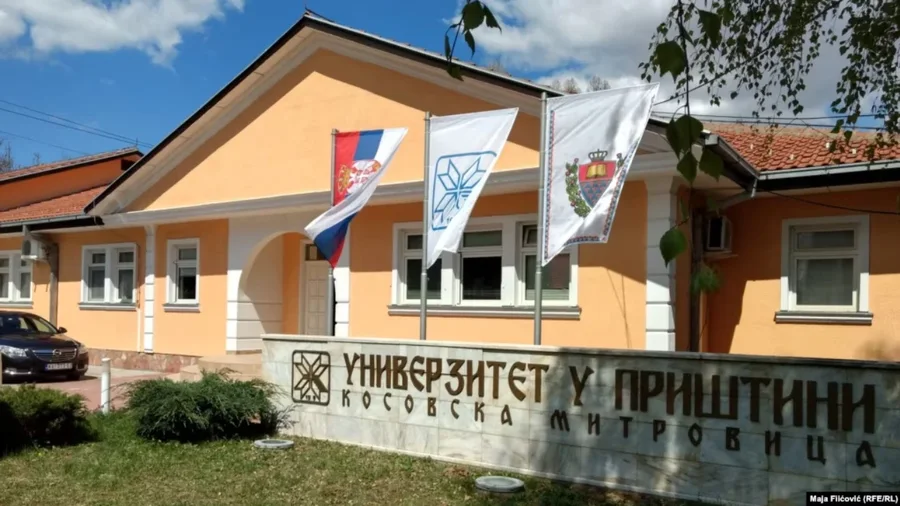
After the closure of some institutions that operated under the Serbian system in the north of Kosovo, some members of the Serbian community express their fear that the Kosovo authorities may also close educational and health institutions.
Slagjana from Leposavic says that Serbs in the north are "under pressure from all sides" and hopes that there will be a solution that would make life easier for ordinary citizens.
With the mediation of the European Union, Kosovo and Serbia are conducting negotiations for the normalization of relations, within which some agreements have been reached, but most of them are not implemented.
Slagjana has a child who has started first grade in the Serbian language, and for her it is unimaginable that educational institutions operate outside the Serbian system.
"We have the right to education in our language, in our school", she says.
In the Serb-majority areas in Kosovo, there are institutions that work under the Serbian system, including all health and educational institutions.
For Kosovo, these institutions are illegal, while for members of the Serbian community "they are of great importance for survival".
Rafaillo and Slagjani from Leposavic say that for them it is "terrible" the very thought that in the next period, the Government of Kosovo may start to close health or educational institutions.
"People are talking about closing educational and health institutions. We'll see what happens. If something like this happens, it would be the end of the end," says Rafaillo.
"We will fight to prevent this from happening, we are shocked by everything that is happening", says Slagjani.
The Minister for Communities and Return in the Government of Kosovo, Nenad Rashič, expresses the belief that these institutions, currently, are not threatened by the possible closure, but adds that the Serbs of Kosovo "must be ready for a scenario that we will not like" .
"Options must be planned, because it's not a question of if it will happen [the closure of educational and health institutions under the Serbian system], but when it will happen. Everything that has surprised us recently, everything that we did not know or that Belgrade hid from us, does not mean that it will not happen", says Rashić for REL.
He adds that the educational and health institutions in the Serbian communities in Kosovo, which are financed from the budget of Serbia and operate under its system, will have to be "incorporated" into the legislative system of Kosovo, as the agreements reached in Brussels foresee one thing such.
Me marrëveshjen e parë mes Kosovës dhe Serbisë, të arritur në Bruksel në vitin 2013, është rënë dakord për mbajtjen e zgjedhjeve lokale në veri të Kosovës, për ngritjen e komunave dhe të institucioneve të tjera sipas sistemit të Kosovës, si dhe për themelimin e Asociacionit të komunave me shumicë serbe në Kosovë, i cili do të rregullonte funksionimin e disa institucioneve serbe dhe financimin e tyre.
Përkundër kësaj, Kosova nuk e ka formuar Asociacionin dhe Serbia ka refuzuar t’i shpërbëjë institucionet e saj paralele.
Por, nga fillimi i këtij viti, autoritetet e Kosovës kanë filluar t’i mbyllin institucionet serbe, me arsyetimin se puna e tyre cenon rendin kushtetues të Kosovës.
Këto veprime janë kritikuar nga komuniteti serb dhe nga bashkësia ndërkombëtare, e cila thotë se lëvizjet e tilla “të pakoordinuara” mund t’i rrisin tensionet në terren.
Institucionet e Serbisë që janë mbyllur deri më tani, janë: organet e përkohshme komunale në Prizren, Pejë, Suharekë, Istog, Klinë, Rahovec, Dragash, Mitrovicë, Zveçan, Zubin Potok, Leposaviq, pastaj Qarku i Kosovës në Mitrovicë, Fondi për sigurim pensional dhe invalidor në Mitrovicë të Veriut, Thesari i Bankës Popullore të Serbisë në Leposaviq, Posta e Serbisë në veri të Kosovës dhe banka Kursimorja e Postës.
Kosova ka ndaluar edhe përdorimin e dinarit serb – gjë që e ka vështirësuar edhe më shumë financimin e institucioneve që punojnë në Kosovë nën sistemin serb, përfshirë këtu shëndetësinë dhe arsimin.
A ka zgjidhje?
Ministri Rashiç shprehet se duhet të gjenden modele që e “inkorporojnë” të gjithë sistemin serb në atë të Kosovës, në mënyrë që të mos dëmtohen as qytetarët, as punonjësit.
Ai nuk mund të thotë se cilat janë ato modele, por thekson se shëndetësia dhe arsimi janë “shtylla të mbrojtjes së të drejtave dhe interesave të serbëve”.
Ai rikujton se Plani i Ahtisaarit – dokument në bazë të të cilit është hartuar Kushtetuta e Kosovës – parashikon formimin e një grupi ekspertësh, që do ta përshtaste kurrikulën për pjesëtarët e komunitetit serb.
Sipas tij, institucionet shëndetësore dhe arsimore serbe duhet të bashkëpunojnë me Kosovën për të gjetur një zgjidhje për funksionimin e tyre.
Rashiq thotë se, mesa di, tash për tash nuk ka një bashkëpunim të tillë.
“Duhet të gjejmë hapësirë në ligjet e Kosovës, në mënyrë që bashkëqytetarët tanë të mos pësojnë dëme”, thotë ai.
Rada Trajkoviq, politikane serbe nga Kosova me banim në Beograd, thotë se institucionet arsimore dhe shëndetësore në komunitetet serbe në Kosovë, pas luftës së vitit 1999, janë themeluar me ndihmën e bashkësisë ndërkombëtare dhe se mbyllja e tyre nga autoritetet e Kosovës do të ishte “e paprecedentë”.
Trajkoviq, e cila në periudhën e pasluftës ishte drejtore e Shtëpisë së Shëndetit – nën sistemin e Serbisë – në Graçanicë dhe deputete në Kuvendin e Kosovës, beson se çdo keqkuptim rreth funksionimit të institucioneve serbe, mund të zgjidhet me negociata.
She says she expects that education and health in areas with a Serbian majority in Kosovo will not be endangered.



Lini një Përgjigje