


 Shkruar nga Pamfleti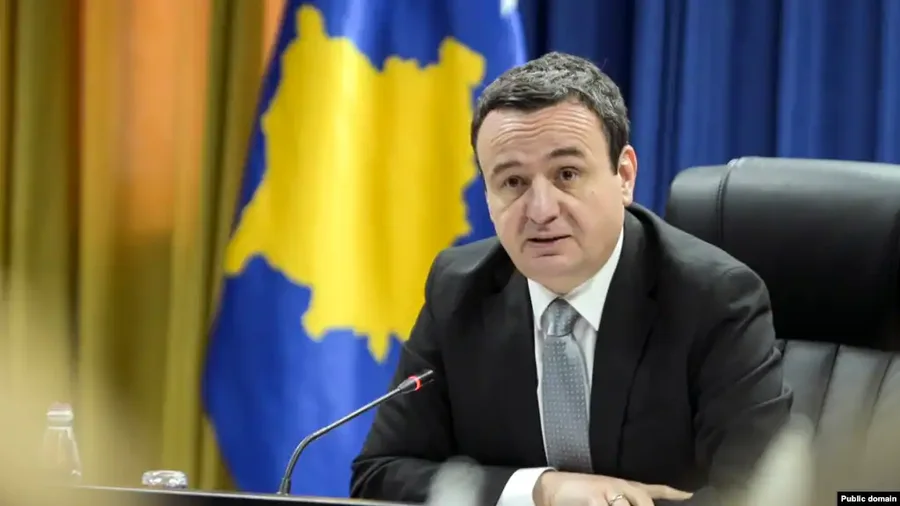
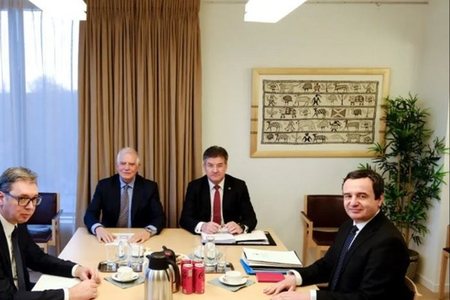
Kurti says that he expects concrete things from today's meeting of the chief negotiators in Brussels. However, he emphasizes that there have always been different options for the issue of the dinar.
All the problems that Serbian citizens may have regarding the regulation of the Central Bank of Kosovo, which prohibits the use of the Serbian dinar, the Government of Kosovo will quickly address, says the Prime Minister of Kosovo, Albin Kurti, in an interview for Radio Free Europe.
Kurti says that he expects concrete things from today's meeting of the chief negotiators in Brussels. However, he emphasizes that there have always been different options for the issue of the dinar.
Kurti did not want to talk about the possible proposals for solving the case, since, according to him, Kosovo's negotiating position is damaged if they are revealed prematurely.
He, however, says that this is an ongoing process, "but there are no proposals that are accepted by us that are contrary to the new CBK regulation".
Radio Free Europe: Mr. Prime Minister, meetings at the level of chief negotiators are taking place in Brussels. It has been warned that the dinar issue will be discussed. Meanwhile, the president of Kosovo warned yesterday [March 18] that there is an agreement for part of the American proposal. Can you tell us what it's about?
Albin Kurti: Deputy Prime Minister Besnik Bislimi, as chief negotiator of the Republic of Kosovo, is in Brussels and is holding talks there, in which case I do not know if there will be a trilateral meeting or only two bilateral meetings with the European mediator and the special emissary [of EU, Miroslav] Lajcak. I believe that he should let us know what topics were discussed exactly and what conclusions could be reached. But, I have to say that this is not a matter of the dinar, it is a matter of the Central Bank of Kosovo, an independent institution of our republic. So, it is not a question of having a dinar or not, but whether the CBK should be an independent institution or not. I believe that it should be and this is our constitutional and legal obligation. The dinar has not been banned in Kosovo, but the Constitution in its 11th article states that there can be only one currency as a means of payment and this must be the euro.
In the meantime, we will quickly address all the problems that Serbian citizens may have. Again, the Central Bank of Kosovo, which takes the lead in this process - since its new regulation of December 27 is an independent decision of the Central Bank - it addresses with them the ten steps that it has foreseen in a plan with a quarterly transitional phase .
Now, it will be three months on March 27th, and I believe that all those who predicted the apocalypse on February 1st, it did not happen on February 1st, nor on March 1st, and it will not happen on April 1st either.
Radio Free Europe: What do you think the president [of Kosovo, Vjosa Osmani] was talking about when she said that there is agreement in what was said by the Americans?
Albin Kurti: Now, I have the chief negotiator there and I believe that he will discuss within the framework of the normalization of relations between Kosovo and Serbia, where we are, [with] what we can move forward. But, I also take the responsibility that certain consequences, which may be caused on the ground, may be a matter for the Government. Not the decision as such, which is sovereign of the Central Bank of Kosovo, but once again, we only implement the law and the Constitution on the ground. If there are certain consequences that are referred to our ministers on the dinar issue. But I believe that this round of meetings should end so that we can talk precisely.
Radio Free Europe: Do you expect that there will be anything concrete today?
Albin Kurti: I always expect that there will be something concrete.
Albin Kurti: I expect that there will be in terms of the normalization of relations between Kosovo and Serbia because the meetings, both at the level of the chief negotiators and at the high level that take place in Brussels, take place precisely for this purpose.
Radio Free Europe: I want to go back to what I said earlier. The president has said that there is some kind of agreement on this. Have you consulted the president?
Albin Kurti: There have always been different options for the dinar issue. I do not believe that they should be discussed now, because Kosovo's negotiating position is damaged if they are revealed before time. What I can say is that the Government is doing the best possible, with maximum commitment and of course we have this as support for the new regulation of the Central Bank of Kosovo. There is no punishment for the Serbs. So, the new regulation is not a punishment, but it is the next very serious attempt to formalize and legalize financial transactions.
You know that we have allocated a budget for the Albanians in Presheva, Medvegja and Bujanoc. We send the financial aid there in euros, while it is received in dinars in the banks there. It could be the same here. So, the remittance that comes in dinars could be received in euros.
Radio Free Europe: Will this happen in Kosovo as well?
Albin Kurti: Yes, this is how it will happen and this is how it is already happening because we have over 33,000 checking accounts of Kosovo Serbs where they receive the euros from the Republic's budget as social assistance, as a pension, child allowance in the mother's checking accounts and so on. queue. And, to this day, we do not have a single Serb who has said 'I reject the euro'. There is no. Also, the dinar has no martyrs. So no Serb says 'O dinar, O nothing'.
Radio Evropa e Lirë: Por, a është pajtuar Serbia që ta bëjë këtë pagesë në euro?
Albin Kurti: Serbia e ka shansin unik që guvernatori i Bankës Popullore të Serbisë t’i përgjigjet guvernatorit të Bankës Qendrore të Kosovës, Ahmet Ismaili – dhe në këtë mënyrë dy bankat qendrore ta rregullojnë çdo paqartësi.
Pra, njëra ndër opsionet për zgjidhjen e kësaj çështjeje, për të cilën janë të njoftuar edhe partnerët ndërkombëtarë, është që më në fund guvernatori Ismaili të marrë letrën e përgjigjes.
Radio Evropa e Lirë: Zoti kryeministër, na thatë që janë diskutuar disa çështje me faktorin ndërkombëtar, por që nuk mund të na i thoni tash. Çfarë propozimesh ka pasur nga [i dërguari i Uashingtonit për Ballkanin Perëndimor, Gabriel] Escobar?
Albin Kurti: Ata japin vazhdimisht propozime. Unë nuk është e thënë që propozimet e tyre t’i shpalos publikisht duke bërë zëdhënësin e ambasadave. Nuk e bëj dot këtë punë. Unë po tregoj që ne i kemi ofruar një letër Bankës Popullore të Serbisë nga ana e guvernatorit, që në këtë rast na përfaqëson të gjithëve si qytetarë të Republikës, juve si gazetarë, mua si kryeministër dhe ne presim përgjigje nga ana tjetër.
Radio Evropa e Lirë: Dhe, prisni përgjigje…
Albin Kurti: Për opsionet që kanë dhënë amerikanët, gjermanët, e të tjerët, unë besoj që duhet të flasin ata vetë.
Radio Evropa e Lirë: Do të thotë që propozimet që janë dhënë nga Escobar nuk janë refuzuar?
Albin Kurti: Shikoni, është një proces që po vazhdon dhe propozime ka, disa. Por, nuk ka propozime që pranohen nga ana jonë që shkojnë në kundërshtim me rregulloren e re të BQK-së dhe njëkohësisht ne mund të merremi vetëm me pjesën e mbështetjes në terren nëse ka probleme. Sepse problemet që mund të shkaktohen, jo domosdo do të mund t’i zgjidhë të gjitha vetë Banka Qendrore e Kosovës. Në Republikën demokratike janë detyrat dhe funksionet e ndara.
Radio Evropa e Lirë: Çfarë ndryshoi në Qeverinë tuaj që kjo çështja e dinarit të kthehet në dialog?
Albin Kurti: Me datën 27 dhjetor u miratua rregullorja e re. Asnjë reagim. Më shumë se dy javë, asnjë reagim.
Radio Evropa e Lirë: Nga kush?
Albin Kurti: Nga Serbia dhe ndërkombëtarët, asnjë reagim. Nga serbët e Kosovës, asnjë reagim. Një ditë para se të shkoj unë në Davos, në Forumin Ekonomik Botëror, presidenti i Serbisë [Aleksandar Vuçiq], që kishte shkuar një ditë para kohe, jep kumtin, lajmin e rëndë se më 1 shkurt do të fillojë katastrofa në Kosovë për komunitetin serb. Ai, kur e pa që në terren s’po ka reagim për çështjen e zëvendësimit të dinarit me euron si mjet pagese, atëherë filloi që të bëjë parashikime apokaliptike.
Vetëm më pas, ambasadorët e huaj filluan ta takojnë guvernatorin Ismaili, ministrin [e Financave, Hekuran] Murati, zëvendëskryeministrin Bislimi, mua e kështu me radhë. Pra, vetëm më pas. Absolutisht, derisa nuk ka folur presidenti i Serbisë, nuk ka pasur kurrfarë problemi në Kosovë. Dhe, ai ka folur sepse e ka vërejtur që përgatitjet po shkojnë në rregull. Presidenti i Serbisë ka shpresuar që do të ketë reagim nga poshtë. Kur e ka parë që s’ka reagim nga poshtë, atëherë ka reaguar nga lart. Pra, kur i ka dështuar këmbësoria, ka përdorur artilerinë. Andaj, jemi në këtë problem. Tejreagimi dhe bullingu nga Beogradi, është shkaktari i problemeve, jo rregullorja e Bankës Qendrore të Kosovës.
Kjo u bë edhe më e rëndë atëherë kur në fund të muajit janar për të njëjtën çështje, njësoj sikurse Vuçiqi foli edhe [zëdhënësja e Ministrisë së Jashtme të Rusisë] Maria Zakahrova nga Kremlini. Kur Vuçiqit iu bashkua edhe Maria Zakharova, atëherë edhe alarmimi i ndërkombëtarëve u bë edhe më i madh.
Pra, kurrfarë katastrofe s’ka pasur as më 1 shkurt, as më 1 mars, as nuk do të ketë më 1 prill. Por, alarmimi, shqetësimi po ndodh në Beograd dhe në Moskë dhe më pastaj jehona e këtij shqetësimi po dëgjohet edhe në Kosovë.
Radio Evropa e Lirë: Si u përgjigjeni kritikave të faktorit ndërkombëtar që thonë se nuk u është dhënë kohë e mjaftueshme serbëve që jetojnë në Kosovë që të adaptohen, do të thotë nga kalimi i përdorimit të valutës së dinarit në euro?
Albin Kurti: Së pari, bëhet fjalë për një adaptim, i cili është më shumë se dy dekada. Nga viti 1999 ne e kemi markën gjermane dhe nga 1 janari i vitit 2002 ne e kemi euron si valutë në vendin tonë. Nga 1 janari i vitit 2002 ka pasur fazë transitore të adaptimit, të përshtatjes. Nëse më shumë se dy dekada nuk kanë mjaftuar, e unë besoj që kanë mjaftuar, atëherë për çdo shqetësim eventual janë edhe tre muaj shtesë të Bankës Qendrore të Kosovës me ata dhjetë hapat, të cilët ajo i ka paraparë.
Edhe një herë po e theksoj, nuk ka as refuzues të euros e as martir të dinarit në vendit tonë.
Radio Evropa e Lirë: A ka pasur nxitim për këtë çështje, për këtë vendim?
Albin Kurti: Nuk ka pasur kurrfarë nxitimi, ka pasur vonesë mund të thuhet sepse neni 11 i Kushtetutës së Kosovës thotë që padyshim se duhet të ketë vetëm një valutë si mjet pagese. Në anën tjetër, e ashtuquajtura Komercijalna Banka [Banka Komerciale], e cila si degë ka vepruar në Kosovë, ka ngelur pa mëmën e vet, meqenëse ajo i është shitur Nova Ljubjanksa Bankas, NLB-së së Sllovenisë.
Tri opsione i ka pasur Banka Komerciale në Kosovë nga Banka Qendrore e Kosovës dhe e ka zgjedhur njërën prej tyre, vetëlikuidimin. Vetëlikuidimi ka përfunduar vitin e kaluar. Tash, kur kanë ngelur pa Bankën Komerciale, ata për aktivitetet e tyre ilegale financiare, për financimin e terrorizimit, që u vërtetua vitin e kaluar se e kanë bërë, iu ka ngelur vetëm keshi, paraja e gatshme.
So, the whole problem is actually not Euro-Dinar, but transparency or lack of transparency, official banking and non-banking financial channels or bags of cash dinars. They want this second one, because political pluralism in Kosovo among the Serbian community has been drowned out by the money coming from Belgrade. Well, you have money, we can't allow it.
So, the dinar you have that came in sacks to Kosovo is no longer coming in, and Belgrade's embarrassment is not that the Serbs cannot use the euro, but that they cannot send the dinar. Just look at the interviews of the president of Serbia or the ministers of the Government there.
Every time they talk, they talk in euros. They talk in euros for capital projects, they talk in euros even when they rent out their apartments in Belgrade. So they always talk in euros. They want to have the dinar for the bags of cash that end up with people who report to Millan Radoicic.
Radio Free Europe: Have you had a chance to meet with representatives of the Serbian community to discuss these issues?
Albin Kurti: Look, I have minister Nenad Rashiq. He has deputy minister [Radoica] Radomirovic. I am the prime minister of the Republic of Kosovo, which has a respected ministry with the highest budget in terms of growth, apart from the Ministry of Culture, Sports and Youth... Nenad Rashiqin, who is also the most popular Serbian politician in our country. So, not only the minister and his deputy, but also other institutions have Serbs, with whom I communicate and cooperate.
Radio Free Europe: After the transitional period, which is somewhere between four and five weeks, what will happen? Will the Serbs be able to use the dinar in Kosovo?
Albin Kurti: You will be able to save in dinars, no one is stopping you. You can receive payments from Serbia as financial aid in dinars. However, the means of payment in Kosovo is the euro. I believe you have seen it now, in the north of Kosovo, in restaurants, on the menu you have it both in euros and in dinars. It used to be only in dinars.
I believe that slowly but surely we are moving towards the euro as the currency, which is the only means of payment. And, let's not forget [that] I am not telling the Serbs to use the Albanian lek as a means of payment, nor am I telling them [to use] the new "Dardana" currency of the Republic of Kosovo, but the euro.
Therefore, we also proposed, but it was not accepted, that the meeting between Governor Ismajli and his counterpart from Serbia take place in Frankfurt, at Christine Lagarde [president of the European Central Bank], where the European Central Bank is located. Euro, Europe... This is what we are saying./REL


Lini një Përgjigje