


 Shkruar nga Pamfleti
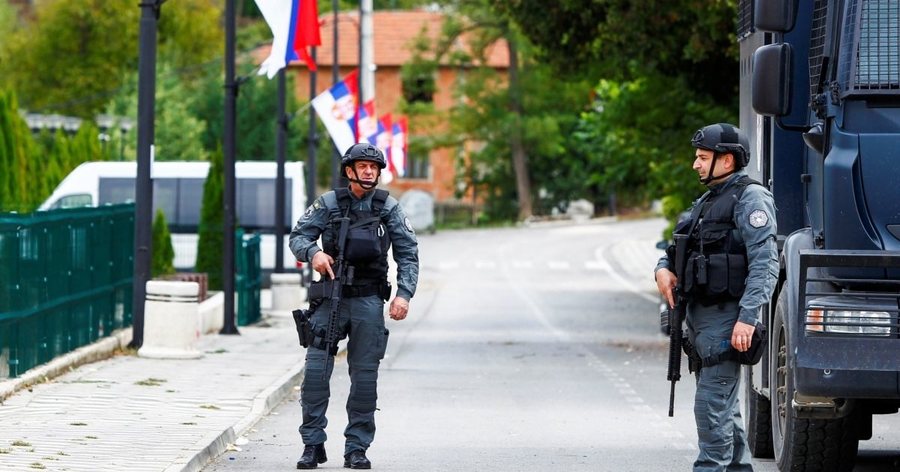
The armed attack in Banjska of Zveçan brought even more special forces of the Kosovo police to the northern part of the country.
Only two and a half months ago, the Government of Kosovo had agreed to reduce the presence of this unit in the area inhabited by a majority of Serbs. This was part of an agreement with the European Union to reduce tensions.
The situation there worsened at the end of May, when the Albanian mayors of the municipalities, under the escort of the special police, were placed in the municipal facilities.
The action provoked the reaction, sometimes even violent, of the local population, which opposes both the Albanian leaders and the presence of the special forces of the Kosovo police.
After several weeks of pressure from the EU, the Government of Kosovo agreed to halve the presence of the special unit around municipal facilities in the north, as well as to organize new elections there.
But the attack in Banjska, where armed groups shot the Kosovo police killing one of its members on September 24, gave another direction to the developments.
The director general of the Kosovo Police, Gazmend Hoxha, told Radio Evropa e Lire that the police has already increased its presence in the north.
" We have increased the presence and vigilance around the border zone. Also, we have increased the presence of the special unit of the Kosovo police in the north of Kosovo. We have slightly reduced the regular police patrols, because they do not have such a level of protection to face any possible attack ", said Hoxha.
He did not provide details on how much the capacities of the special unit have been strengthened, but said that the institution he leads is constantly in coordination with the peacekeeping mission of NATO, KFOR, and with that of the European Union for the rule of law in Kosovo, EULEX .
Radio Free Europe asked the Ministry of Internal Affairs of Kosovo about the presence of special forces in the north, but, until the publication of this article, did not receive an answer.
Contacted by REL, the chairman of the parliamentary committee for security and defense issues, Bekë Berisha, did not want to talk about this issue. He briefly said that he will invite the Minister of the Interior, Xelal Sveçla, as well as the Director of Police, Gazmend Hoxha, for reporting to the commission.
Speaking on the day of the attack in Banjska, the prime minister of Kosovo, Albin Kurti, said that "there is no agreement or rule that prevents the special police of Kosovo from operating in the four municipalities in the north [North Mitrovica, Zveçan, Zubin Potok and Leposaviq], as everywhere in the territory of the Republic".
"What we have inherited is a letter from former Prime Minister [Hashim] Thaçi regarding the presence of the Kosovo Security Force [in the north], which should be done in agreement with KFOR. We have respected and continue to respect that unilateral commitment of Thaçi to the former Secretary General of NATO [Anders Fogh] Rasmussen", said Kurti.
Sërgjan Simonović, from the Humane Center in North Mitrovica - this organization that monitors the security situation in the north, tells Radio Free Europe that the "hostility" of the local population towards the Kosovo police, in general, continues since the post-war, in 1999.
“Pasardhësja ligjore e Ushtrisë Çlirimtare të Kosovës, në valën e parë, ishte Policia e Kosovës, e më vonë Trupat Mbrojtëse të Kosovës. Tradicionalisht, Policia e Kosovës është vazhdimësi e UÇK-së dhe, në këtë kontekst, serbët e shohin gjithmonë si armike”, thotë Simonoviq.
Sipas tij, kundërshtimet ndaj policisë speciale janë rritur në dy vjetët e fundit, kur kjo polici, “nën direktivat e politikanëve aktualë”, ka filluar “një fushatë tmerrësisht të ashpër kundër serbëve”, e cila ka kulmuar “me dezertimin e policëve serbë” nga forca e policisë së Kosovës.
Simonoviq i referohet një vendimi të Qeverisë së Kosovës për riregjisrimin e makinave me targa ilegale serbe, i cili ka rritur tensionet në veri dhe ka çuar në largimin e serbëve nga institucionet e Kosovës.
Në veri të Kosovës jetojnë rreth 50.000 serbë.
Që nga paslufta, shumica e tyre nuk u binden vendimeve të institucioneve të Kosovës, por të strukturave paralele që funksionojnë atje nën dirigjimin e Serbisë.
Në zonë ka pasur shpesh tensione që kanë kulmuar në dhunë dhe policia e Kosovës ka intervenuar për rivendosjen e rendit.
Ish-drejtori i Policisë së Kosovës, Rashit Qalaj, thotë për Radion Evropa e Lirë se në këtë rajon duhet të ketë patrullime më të mëdha të policisë, në mënyrë që të shmangen incidentet si ato të 24 shtatorit.
“Ajo çka nuk duhet të ndodhë dhe nuk guxon të ndodhë është që Policia e Kosovës të kufizohet që të veprojë në veri”, thotë Qalaj.
Për sigurinë e kufirit të Kosovës me Serbinë është përgjegjës misioni i NATO-s, KFOR, ndërsa për pjesën tjetër të vijës kufitare policia e Kosovës.
However, with a decision of the KFOR commander in 2014, the Kosovo police can patrol up to one kilometer close to the border line with Serbia.
After the May riots, KFOR has increased its presence in Kosovo by several hundred soldiers.
This mission has condemned the attack in Banjska and said that it is ready to intervene if necessary.
In its reactions, the European Union has also condemned the attack in Banjska and said that "all the facts about it must be verified". The presence of special police forces of Kosovo in the north has not been declared.
Kosovo, meanwhile, has blamed Serbia for the attack in Banjska, while Serbia has pointed the finger at the Kosovo Serbs.
The international community has called on both parties to return to the diplomatic path./ REL



Lini një Përgjigje