


 Shkruar nga Pamfleti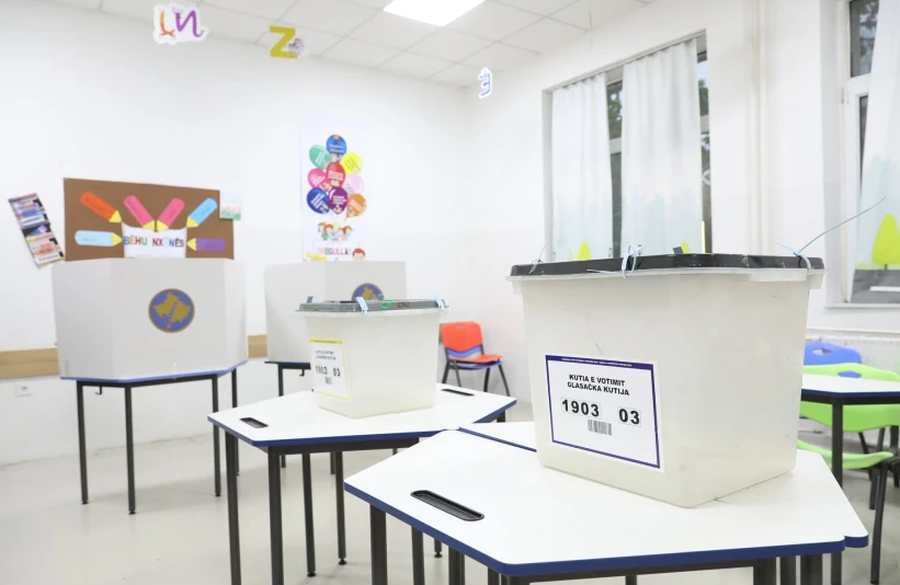
On Sunday, Kosovo citizens in 18 municipalities will return to the polls to determine who will lead them for the next four years...
In the first round of elections, on October 12, twenty municipalities secured new mayors, while the remaining 18 will be decided in the runoff on November 9.
In this round, the race is seen as a test of the strength of the parties at the local level, but also as an indicator of future trends on the center stage.
The municipalities holding the run-off are: Pristina, Prizren, Peja, Junik, Dragash, Gjakova, Kaçanik, Fushë Kosova, South Mitrovica, Rahovec, Suhareka, Gjilan, Vitia, Vushtrri, Obiliq, Klina, Mamusha and Kllokot.
Pristina and Prizren, the strongest competitions
The capital remains the main arena of political conflict.
For more than a decade, Pristina was a symbol of the rivalry between the Vetëvendosje Movement (LVV) and the Democratic League of Kosovo (LDK).
This time, the runoff is between Përparim Rama (LDK) and Hajrulla Çeku (LVV), with a minimal margin in the first round – only 0.5 percent.
“This is not just about the candidates – it goes beyond the candidates and is related to the parties’ struggle for their power in the capital, building their electoral base and creating a political stronghold in this municipality,” says Donika Emini, a researcher at the Balkan Policy Advisory Group in Europe (BiEPAG).
Pristina, as the country's largest municipality, has economic and political importance, turning a victory there into a strategic advantage for any party.
This, according to Emin, means that victory in the capital translates "into power and influence at the national level."
After Pristina, the most notable race is taking place in Prizren, where Shaqir Totaj of the Democratic Party of Kosovo (PDK) and Artan Abrashi of the LVV face off.
Although Prizren is the second most important municipality, according to Emin, the local coalition between LDK and PDK, as well as Totaj's lead in the first round, have caused Vetëvendosje "not to actively invest in this race, channeling its energy into municipalities where it has the most potential."
South Mitrovica, a challenge for the traditional bastion
Another important race, according to Emin, will take place in South Mitrovica, between Faton Peci of LVV and Arian Tahiri of PDK.
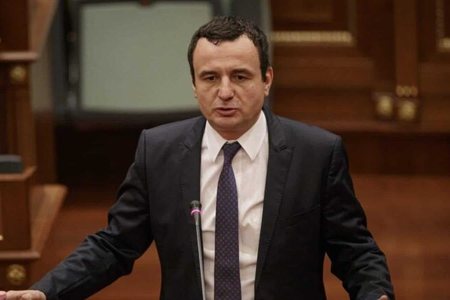
Emini considers this battle to be particularly important for Vetëvendosje and its leader, Albin Kurti.
"… because Kurti has developed the national race with the changing situation in North Mitrovica as a narrative. The engagement of the strongest candidate of Vetëvendosje and the Guxo List (Faton Peci) shows the importance that this race has for the party. This directly challenges the PDK bastion – which is very significant," Emini tells Radio Free Europe.
The role of candidate profiles
Në zgjedhjet lokale, roli i individit shpesh rezulton vendimtar.
Sipas Eminit, rasti i Ramiz Lladrovcit në Drenas e ilustron qartë këtë.
PDK-ja, pjesë e së cilës ishte Lladrovci, vendosi për kandidat në garë Petrit Hajdarin.
Lladrovci, i cili deri atëherë ishte kryetar, i hyri garës me një nismë qytetare dhe e fitoi atë që në raundin e parë.
“Kjo tregon qartë se kandidatët kanë rëndësi të madhe”, thotë Emini.
Një shembull tjetër, sipas saj, është edhe Përparim Rama në Prishtinë.
“Rasti i Përparim Ramës tregon ndikimin e një fytyre të re që vjen në një parti si LDK-ja nga jashtë Kosovës. Përkundër të gjitha pritshmërive, kandidati fitoi, dhe profili i tij kishte rëndësi jo vetëm për shkak të vetë figurës, por edhe për mbështetjen e partisë. Pra, kombinim i faktorëve”, shpjegon Emini.
Hartë e re politike në horizont?
Rezultatet e balotazhit pritet të ndikojnë ndjeshëm në hartën politike të Kosovës.
Në shumë komuna, diferencat janë minimale, dhe çdo koalicion lokal mund të përmbysë rezultatin.
Në Prishtinë, për shembull, vendimi i kandidatit të PDK-së, Uran Ismaili, për qëndrimin neutral apo përkrahjen eventuale të njërës palë, mund të përcaktojë fituesin.
“Koalicioni eventual mund ta ndryshojë situatën në terren”, thotë Emini.
Ajo shton se Vetëvendosja po përpiqet ta zgjerojë ndikimin lokal, veçanërisht në zonat ku më parë nuk kishte bazë të fortë.
LVV-ja garon në balotazh në 12 komuna – në dy prej tyre si e para, në dhjetë si e dyta.
Në zgjedhjet e vitit 2021, kjo parti kishte fituar vetëm në katër komuna.
“Shembull është targetimi dhe investimi në Mitrovicën e Jugut, duke tentuar për të zvogëluar PDK-në në një nga bastionet e saj. Nëse (LVV-ja) ka një fitore eventuale edhe në Vushtrri, atëherë e sfidon edhe më shumë (PDK-në)”, thekson Emini.
PDK-ja dhe LDK-ja, në anën tjetër, janë përqendruar në mbajtjen e komunave që i konsiderojnë bastione tradicionale.
“Këto parti janë duke luajtur në mbrojtje, duke u përpjekur t’i mbajnë bastionet e tyre. Ndërsa Vetëvendosje po përdor një lojë më strategjike dhe të fuqishme, me përfshirje aktive edhe të kryeministrit në detyrë (Albin Kurti)”, thotë Emini.
Zgjedhjet lokale si pasqyrë e skenës qendrore
Historikisht, votuesit në Kosovë kanë bërë dallime midis zgjedhjeve lokale dhe atyre qendrore.
Megjithatë, Emini vëren se lidhjet midis sjelljes lokale dhe strategjive nacionale po bëhen gjithnjë e më të dukshme.
Vetëvendosje, sipas saj, po punon me qëllim për të zgjeruar kontrollin komunal, ndërsa partitë e tjera po përpiqen t’i ruajnë territoret e tyre politike.
“Bashkëpunimi i vazhdueshëm ndërmjet PDK-së dhe LDK-së e ilustron mirë këtë dinamikë. Ai pasqyron një model tashmë të njohur në politikën kosovare, ku Vetëvendosje dhe disa parti më të vogla përballen në thelb me një front të bashkuar të elitës së vjetër politike kundër tyre – me disa përjashtime të vogla në nivel lokal”, thotë Emini.
Edhe pse mbetet e paqartë nëse këto marrëveshje lokale do të çojnë në koalicione të reja në nivel qendror, Emini nuk e përjashton mundësinë.
"The tendency of PDK and LDK to cooperate in maintaining their positions may also signal the possibility of similar collaborations on the center stage," says the analyst.
Political polarization and expectations for the future
This year's elections, whether parliamentary or local, have witnessed the polarization of the political scene in Kosovo.
Vetevendosje has maintained the "us against all" narrative, while traditional parties are trying to defend existing positions, says Emini.
According to her, the result of the runoff will be an important indicator for all parties, to understand where they stand in relation to the electorate and how they should adapt their strategies for the national elections - if they are held again.
At this time, the LVV is trying to form a new government with Glauk Konjufca as prime minister-designate, while other parties are calling for early elections.
Therefore, the runoff also takes on a double dimension: local in appearance, but deeply political in impact. /REL


Lini një Përgjigje