


 Shkruar nga Pamfleti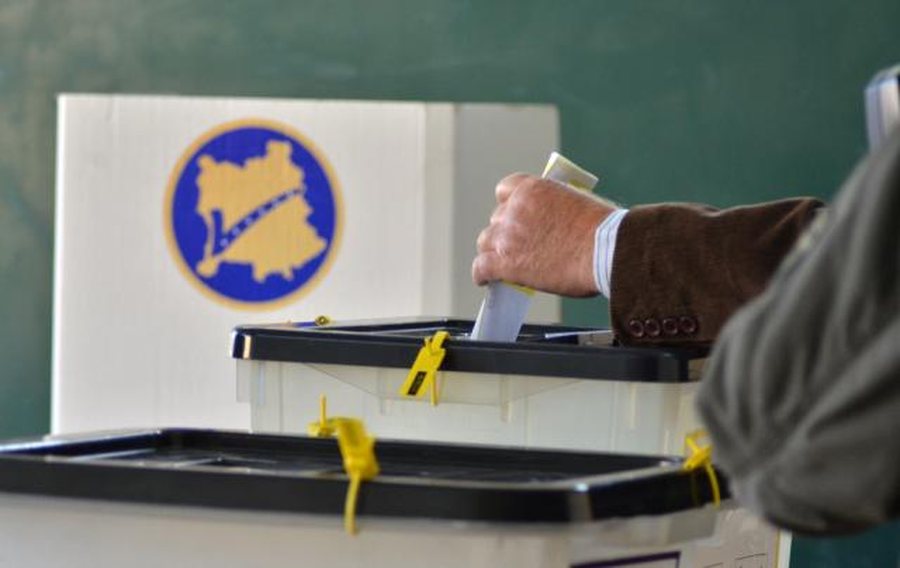
Political parties in Kosovo are preparing for the parliamentary elections on February 9, but their pre-campaign has caused concerns about possible interference in the electoral process and misuse of public resources.
Eugen Cakolli from the Democratic Institute of Kosovo says that almost no party is exempt from such suspected violations, neither is the Government itself. His institute is part of the Democracy in Action network of organizations, which monitors election processes.
Cakolli, as the intervention of the Government in the election process, takes as an example the effort of the Ministry of Foreign Affairs and Diaspora (MPJD) to approve a memorandum of cooperation with the Central Election Commission, through which it aimed to ensure "cooperation between the parties in the organization and administration of all forms of voting" for citizens of Kosovo living abroad.
Meanwhile, the misuse of public resources for the purposes of the election campaign says that it is present in all parties, although it is more pronounced in the government, or the Vetëvendosje Movement.
Party representatives who responded to RFE/RL's requests for comment deny the allegations.
Memorandum on elections abroad
The Central Election Commission confirms that they have received the memorandum of the Ministry of Foreign Affairs on the organization and administration of elections in the diaspora, but they say that they have not considered it at all.
"The memorandum had elements, for which we considered that in some points they violated the sovereignty of the CEC", says Ilir Gashi, member of the CEC presidency, but does not specify more.
Some media in Pristina reported that the Ministry of Foreign Affairs, in that memorandum, has assigned itself powers that do not belong to it under the Law on general elections.
Among other things, the media mentioned the provision of "suitable space for the development of the electoral process, in accordance with applicable international law and local legislation".
The Ministry of Foreign Affairs did not respond to Radio Free Europe's request for comment. For Cakolli, the request for such a memorandum is unprecedented.
The former head of the CEC, Valdete Daka, qualifies as such. She says that in the past, when parliamentary elections were organized, there were no similar efforts by any government department.
"The fact that there is a tendency on the part of the government to interfere in the elections, damages the electoral process", according to Daka.
Public resources
Cakolli also says that the Government of Kosovo has misused public resources to make decisions that have an electoral impact.
Në këtë aspekt, ai përmend vendimin për rritjen e pagës minimale në 350 euro, pastaj për rritjen e pensioneve për 20 për qind dhe për rritjen e pagave në sektorin publik për 55 euro nga janari i vitit të ardhshëm dhe për 55 të tjera nga korriku.
Të gjitha këto vendime janë marrë në muajt e fundit dhe, sipas Cakollit, kjo tregon për “tendenca të qarta” të Qeverisë për t’i ndikuar votuesit.
“Po të ishin paraparë më herët, mbase nuk do të kishte problem”, thotë ai.
Qeveria e Kosovës nuk iu përgjigj pyetjes së Radios Evropa e Lirë se si i komenton këto pretendime të sektorit civil.
Cakolli shprehet se ka pasur, gjithashtu, një rritje të sponsorizimeve të postimeve në platformat digjitale nga Partia Demokratike e Kosovës, Lidhja Demokratike e Kosovës dhe Aleanca për Ardhmërinë e Kosovës, me ç’rast kanë shpenzuar mijëra euro deri më tani.
Për më tepër, sipas tij, LDK-ja dhe AAK-ja kanë deklaruar se në listat e tyre zgjedhore për zgjedhjet e 9 shkurtit, do t’i përfshijnë si kandidatë për deputetë edhe disa kryetarë komunash.
“Kjo si formë, në radhë të parë, paraqet keqpërdorim të besimit publik”, tha ai dhe shton se angazhimi në fushatë, këtyre kandidatëve u krijon mundësi për përdorimin e burimeve publike.
Nga Lidhja Demokratike e Kosovës konfirmojnë se së paku katër kryetarë aktualë të komunave do të jenë në listën e saj zgjedhore për zgjedhjet e 9 shkurtit.
Nënkryetari i kësaj partie, Lutfi Haziri, thotë se kandidimi i tyre për deputetë të Kuvendit, nuk përbën ndonjë shkelje ligjore.
“Në momentin që zgjidhen, mbetet në vullnetin e tyre të vendosin se a duan ta mbajnë mandatin e kryetarit apo ta marrin mandatin e deputetit”, shprehet Haziri.
Ai shton se ligjërisht, por edhe sipas parimeve të partisë që përfaqëson, përdorimi i burimeve publike nga kandidatët për deputetë është krejtësisht i ndaluar.
Ngjashëm shprehen edhe në PDK dhe AAK sa i përket përdorimit të burimeve publike, ndërsa nga partia në pushtet, Lëvizja Vetëvendosje, nuk u përgjigjën.
Si mund të parandalohen këto tendenca?
Aktivitetet e partive politike para se të nisë zyrtarisht fushata zgjedhore, nuk janë të rregulluara me ligj.
Paneli Zgjedhor për Ankesa dhe Parashtresa (PZAP), i cili është organ i përhershëm, i pavarur dhe kompetent për të vendosur lidhur me ankesat dhe apelet që kanë të bëjnë me procesin zgjedhor, mund të shqiptojë gjoba vetëm ndaj partive të certifikuara dhe që shkeljet i kryejnë gjatë fushatës zgjedhore zyrtare.
Afati për aplikim të subjekteve politike për certifikim dhe dorëzim të listave të kandidatëve për deputetë në KQZ, për zgjedhjet e 9 shkurtit, është deri më 24 dhjetor.
Cakolli thotë se, për aq kohë sa subjektet politike nuk janë të certifikuara për të marrë pjesë në zgjedhje dhe shkeljet eventuale nuk i bëjnë gjatë fushatës zgjedhore zyrtare, ato “amnistohen”.
Ai thekson se tendencat e shprehura deri më tash për ndërhyrje në procesin zgjedhor, e dëmtojnë integritetin e tij, por “nuk janë të atij niveli për të qenë 100 për qind përcaktuese të rezultatit zgjedhor”.
However, he says that political actors should take steps to stop them, "calling on the good values of transparency and electoral integrity".
"We also thought of the idea that the political parties should sign a kind of declaration, through which they would pledge themselves... but that the same would not have a binding character", says Cakolli.
But, according to him, the only way to stop the actions that damage the electoral integrity, remain the legal changes.
They, he says, should determine that the restrictions on the use of public resources, the obligations for financial reporting and all other regulatory provisions, apply from the day of the announcement of the elections by the president of the country, and not only from the beginning of the official election campaign, which lasts only 30 days before election day.
Cakolli says that there is no time for such changes now, but that they could be made for other elections in the future.
The election campaign period for political parties and candidates certified to participate in the February 9 election will officially begin on January 11, 2025.
Those elections will result in the new composition of the Assembly of Kosovo, which has 120 deputies./REL




Lini një Përgjigje