


 Shkruar nga Pamfleti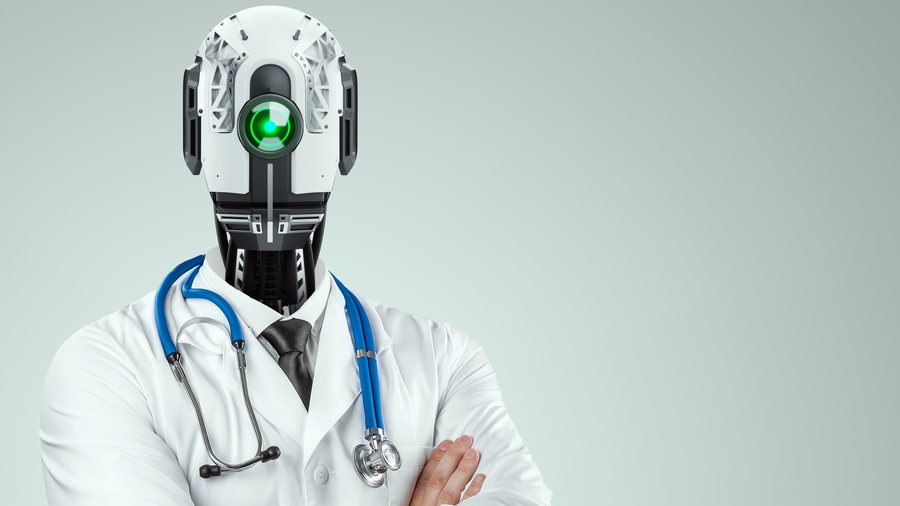
OpenAI has introduced a new feature within ChatGPT, called ChatGPT Health, which aims to provide medical advice and guidance to users. The feature is integrated as a tab within the app and allows users to ask questions about their health, however it is not yet available.
According to the company, ChatGPT Health can analyze lab results, explain unclear messages from doctors, and summarize the user's clinical history. But despite these promises, OpenAI emphasizes that this feature is not intended for diagnosis or treatment and that it does not replace a doctor.
This is where the main dilemma arises: how safe is it for health-related decisions to be influenced by a chatbot?
When advice turns into decision-making
Cases like that of Lisa Freeman, a 43-year-old from Bristol, who says that after conversations with ChatGPT she returned to doctors and sought another treatment for nerve pain, show that users no longer see AI simply as a source of information, but as a factor influencing health decisions.
Although she was eventually treated by real doctors, the fact that a chatbot pushed her towards concrete action raises questions about the boundary between information and medical intervention.
Data and interpretation risk
Users are encouraged to connect their health data and apps like Apple Health for more personalized responses. OpenAI guarantees that the data is encrypted and not used to train the system, but experts warn that any connection of medical data to artificial intelligence carries risks of privacy and misinterpretation.
Unlike a doctor, ChatGPT cannot perform physical examinations, assess the patient's actual condition, or bear legal responsibility for the consequences of the advice given.
Why are people turning to AI?
According to a survey by healthcare platform Semble, one in four patients uses artificial intelligence to better understand their health condition. The reasons are mainly related to lack of time, difficulty in contacting doctors, and the need for simpler explanations.
However, specialists emphasize that clarity is not the same as accuracy, and that the general advice of an algorithm can be dangerous when applied without professional consultation.
The question that remains
Is ChatGPT Health a helpful tool or a hidden danger that is normalizing self-diagnosis and self-treatment? As technology advances, experts agree on one thing: health is not a digital experiment and cannot be left in the hands of an algorithm, no matter how advanced it is.







Lini një Përgjigje