


 Shkruar nga Pamfleti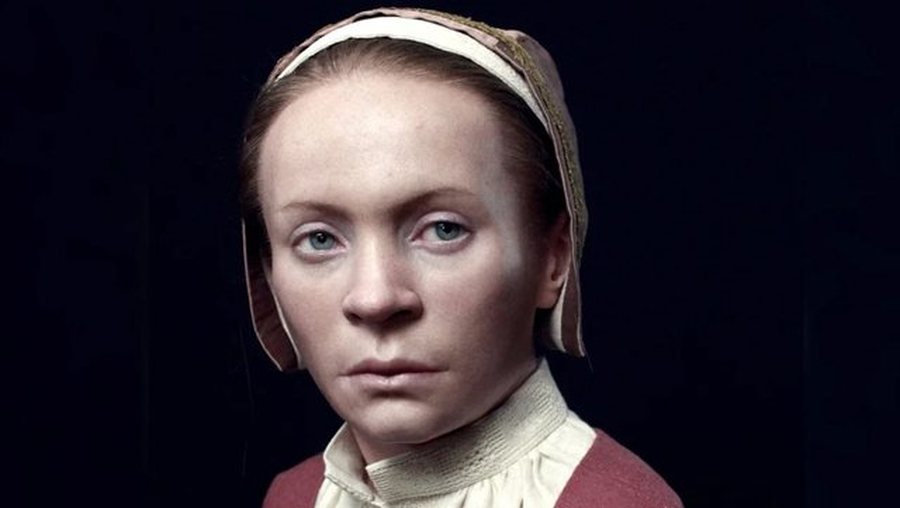
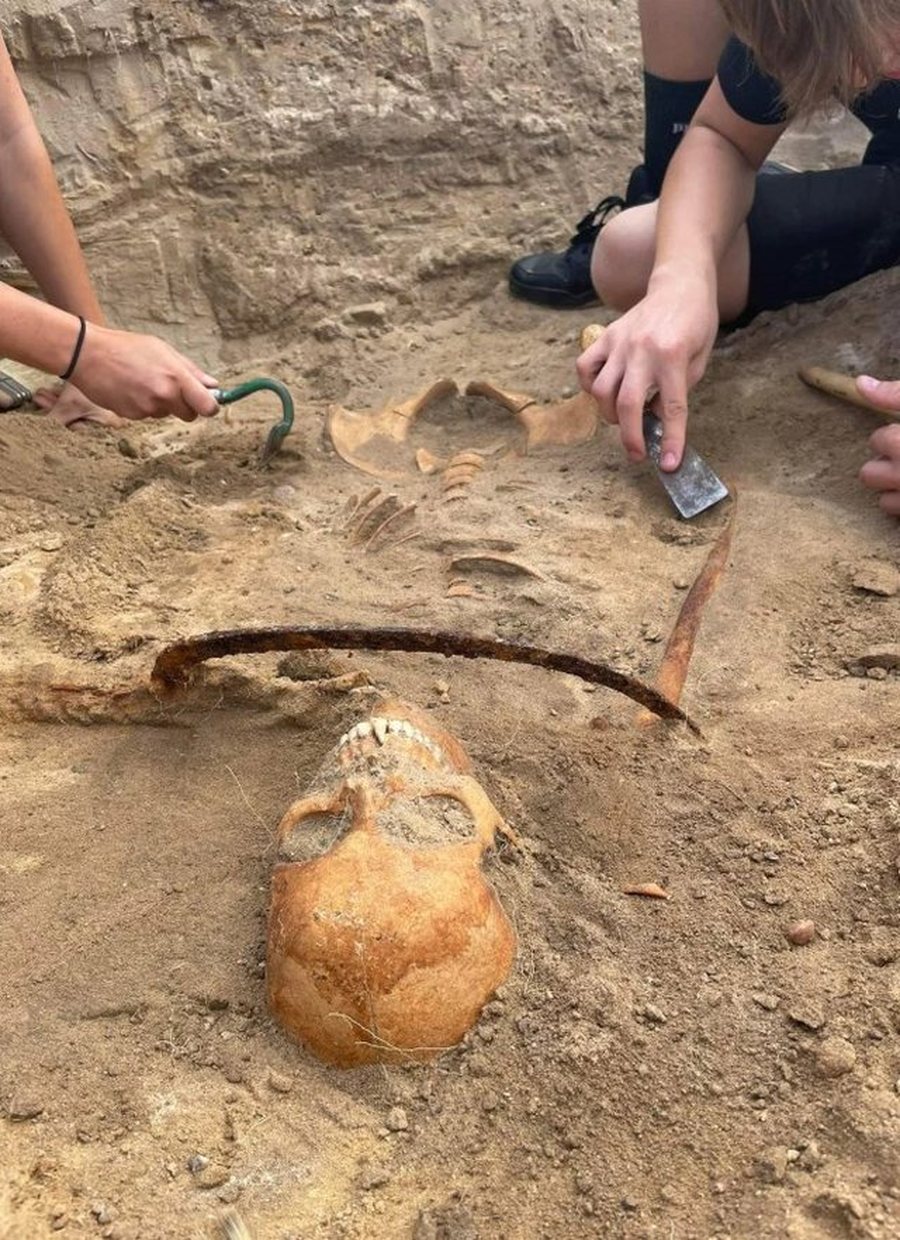
With a sickle around her neck and a padlock on her left big toe, the corpse of a young woman found in northern Poland has caused quite a bit of curiosity among archaeologists. Her identity and how she ended up in such a state are secrets that researchers say they are only just beginning to unravel.
She was found in 2022 and since then studies have continued to understand who that woman was and why she was buried about 400 years ago in the way that vampires or demons are said to be buried. Using the contours of her skull as well as information from a DNA sample extracted from her skeleton, researchers have recreated what her face might have looked like.
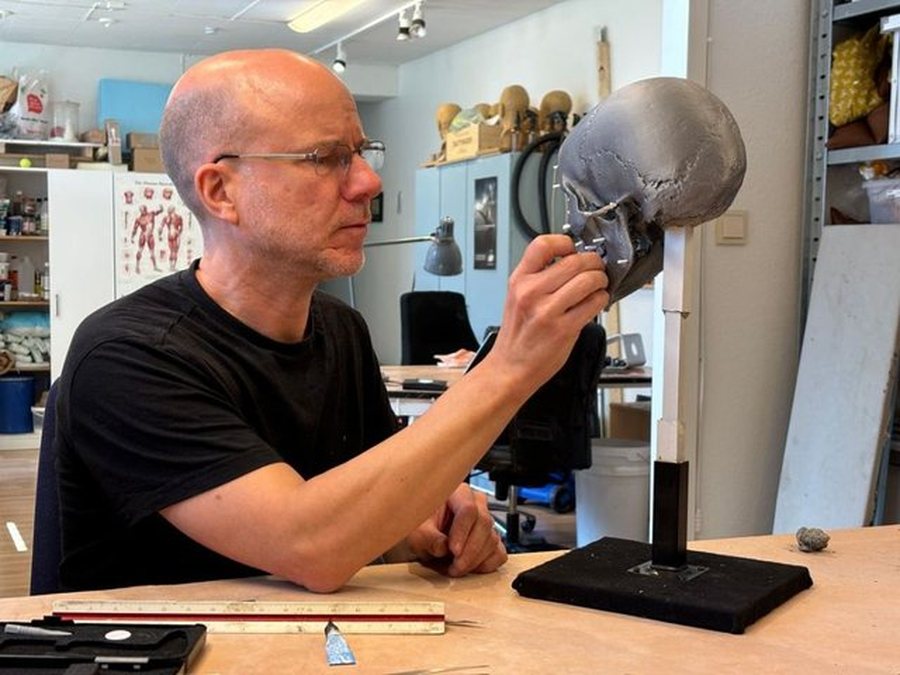
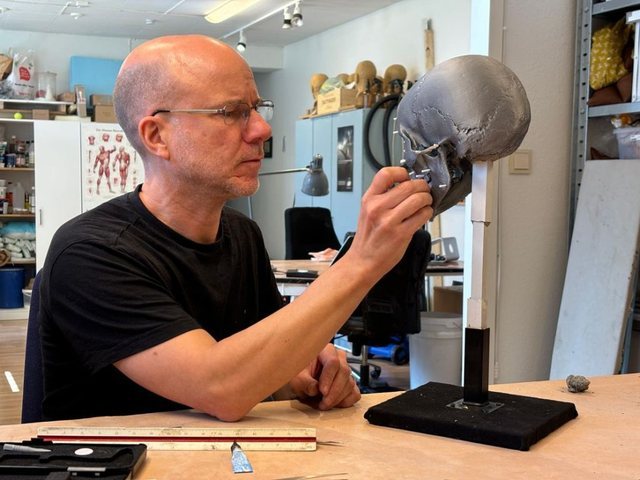
The impressive 3D reconstruction of Zosia, as locals called it, sheds light on the man found in the eerie tomb. Archaeologist Dariusz Polinski, who led the team that discovered Zosia's remains, said it was a moment of "dizziness" when he first saw the reconstruction by Swedish forensic artist Oscar Nilsson.
"He had added so much feeling, so much emotion to it. It wasn't just a mask," said Polinski, a professor of medieval history at the Nicolaus Copernicus University in Torun, Poland. The work of the research team to discover Zosia's identity is presented in the new documentary "Vampire Field", which was broadcast on October 30.
For Nilsson, who reconstructed Zosia's face using clay on a 3D-printed model of her skull, it was exciting to see the young woman as she might have appeared in life.
"I'm used to reconstructing faces, but even in this case I'm looking forward to restoring their human dignity. She deserved something better", he said in the documentary. Aged 18-20 when she died, Zosia likely had a medical condition predisposed to experiencing severe chronic headaches and fainting spells, according to an analysis of her spine.
In addition, experts suspect that she had an enlarged breast tumor that may have caused her pain. However, this was not the cause of her death, which remains unknown even from detailed medical analyses. It was wrapped in a fragile silk fabric with silver and gold metallic thread. These suggest that she came from a wealthy background or high status in society.
Information from DNA analysis indicated that she may have originated from southern Scandinavia, possibly Sweden. During the 17th century, Poland and Sweden fought a series of wars, so Zosia could have been an outsider within her own community. Europe in the 17th century was also in the grip of what is known as the Little Ice Age, a period of cooling that in some places led to crop failures and famine.
The locket and sickle were made of iron, a metal thought to offer protection against the supernatural, but experts said the objects were not placed on the body at the same time.
"Initially she was buried in a coffin in a natural position, with her head towards the west and with a pillow and lock on her toe," said Polinski. However, it seems that the padlock's protective power was not enough for those who feared the resurrection of Zosia's corpse.
"Maybe because of some misfortune or someone else's death, they decided to open the grave," suggested Polinski. To make sure she wouldn't revive, they put a sickle to her throat. Opening graves was relatively common during the 17th century in this region because people often attributed misfortunes to the supernatural activity of the dead.
"The dead were blamed for various disasters. The deceased person was believed to be some kind of cause for some other illness or death," he said. "All cultures have their beliefs that the dead can come back to haunt the living," says Martyn Rady, Emeritus Professor of Central European History at University College London.
"In general, the 'dead' are people who have led violent lives or died violently or were not buried with proper funeral rites. All societies have their own strategies to prevent them from moving after death; the sickle is one; upside down is another way; putting thorny branches around the neck is another," he says. Rady says that Zosia was not a vampire.
A year after discovering Zosia's grave, the same team found the remains of a child buried in an unusual way. The skeleton was upside down and the upper body was missing while a padlock similar to the one found on Zosia's body was discovered below the legs. Another burial site revealed the skeleton of a pregnant woman with the remains of a fetus still present in her womb.
Polinski's team is re-examining graves previously excavated for "anti-vampiric" practices and hopes to understand how the individuals buried there are related to each other by studying DNA samples. Polinski said the findings will be published in a scientific journal next year.








Lini një Përgjigje