


 Shkruar nga Ricardo Iacub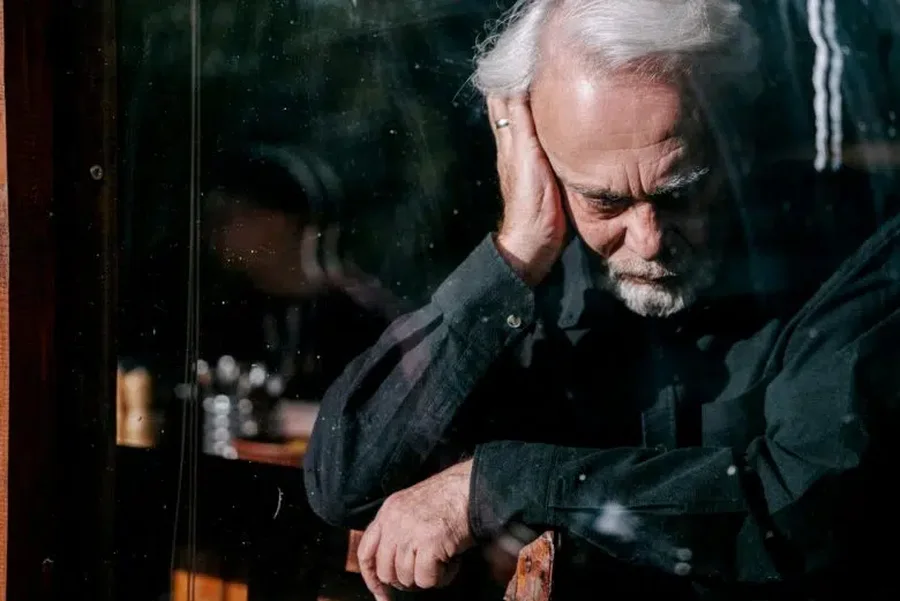
The World Health Organization's Commission on Social Connections found that around 100 deaths per hour, over 871,000 deaths per year, are linked to loneliness, which affects one in six people worldwide.
Is being alone the same as feeling lonely? It's hard to say, because the latter is a feeling of isolation and a need for more encounters or relationships. However, you can still feel lonely in society, which makes this another complex human experience.
Recently, a significant number of studies have highlighted how isolation or loneliness can cause mental and physical illness. In a new global report, the World Health Organization's Commission on Social Connections found that around 100 deaths per hour, over 871,000 deaths per year, are linked to loneliness, which affects one in six people worldwide.
This has prompted some countries to turn this difficult situation into a political issue, which has now been included in the public health agenda.
Like a philosopher's stone, social relationships are cited as the element most closely linked to longevity and happiness, as a now legendary Harvard University study claimed. It is useful then to understand some of the reasons behind this state of mind.
We know that safe and expansive social networks help reduce personal fear and insecurity, and can curb rising stress at critical times. But when we talk about social networks, we need to remember that loneliness (when not resolved) can be felt when we are with others. So, it may not be exclusively a matter of having more friends and may be related to the quality of our relationships.
Create or break connections
A suitable and operative word in this regard is ties, as it brings us back to the idea of connection. It is fair to assume that people need strong relationships that create a sense of security and trust. Strong ties are essential in childhood for example, but the need for them continues into adulthood, more or less depending on our makeup, situations or stage of life. Whatever our age, it is also fair to say that we suffer when a "strong" relationship breaks down.
A distinctive feature of relationships is the feeling of being valued or loved. But do we play any role in “creating” this added value? This suggests that strong relationships depend on our social skills and inclinations.
And are they real in this case?
Other factors that help make or break connections include changing circumstances or life stages, or the loss of a role, which suggests that loneliness goes beyond the quantity and even the quality of our personal relationships. Considering a variety of factors can give us new perspectives and alternative "solutions" to the phenomenon.
It seems that we value ourselves more when we believe we are worth more to others.
It is not exclusive to the elderly to feel lonely. Losses generate changes in existing connections and make them feel lonely even among people they know. With the loss of loved ones, they can also lose a series of appreciations and affective connections that previously helped their sense of self.
Retirement, the removal of grown children from home, or physical limitations can deprive you of the role you used to play, and thought was yours, which was a means of exchanging love and a source of self-respect. Then ask yourself, who am I without those other people to whom I have given, and who have given me, care, importance, or love?
The benefit of love
Several studies have shown links between feelings of need and usefulness, and quality of life and reduced risks of disability or mortality. A study in France found that older people who did not feel useful were more likely to become disabled, while Japanese researchers concluded that older people who felt useless were twice as likely to die within six years.
In Finland, a study found that people aged 75 and over were less likely to die within 10 years when they felt needed. An American study found that seniors who felt they were no longer needed were four times more likely to become seriously ill or die.
These show crucially that the nature of our relationships is diverse, but they also demonstrate the benefit of affective connections for our sense of self. It seems that we value ourselves more when we believe we are worth more to others.
Every person needs, to varying degrees and in varying forms, to feel that his or her life is important to others, and feeling that this is not the case can create a deep void. Without a doubt, reciprocated love is the greatest expression of this vital connection, or as the Argentine composer Osvaldo Fresedo wrote in his tango "Vida Mia" ("My Life"): "You are my life and I would love to have you leaning against me, to drown out my loneliness."/ WorldCrunch





Lini një Përgjigje