


 Shkruar nga Pamfleti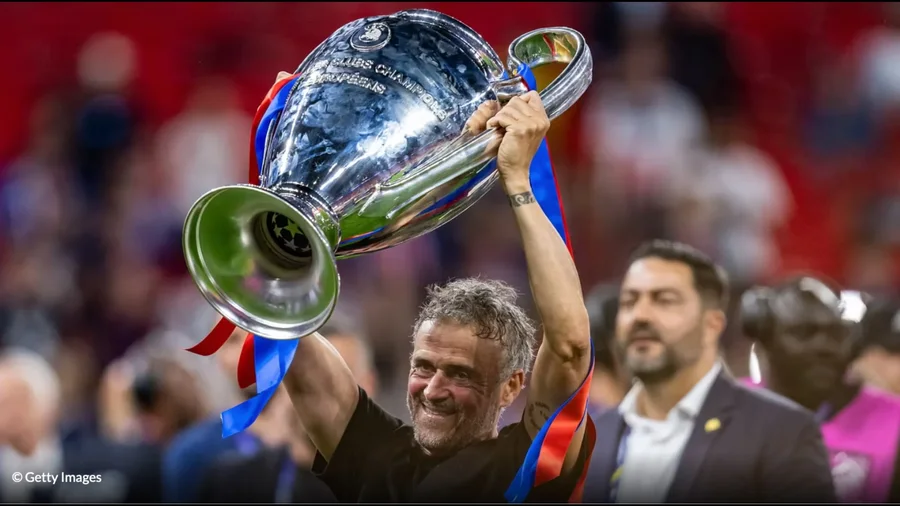
At Roma they couldn't fully trust him, although perhaps time wasn't on his side. For Luis Enrique it was his first important experience on the bench of an elite team, after three seasons spent at Barcelona B.
On the other hand, Roma was experiencing a new phase with American owners James Pallotta and Thomas Di Benedetto, while the sporting direction was in the hands of Franco Baldini and Walter Sabatini.
The team he was given was a mixed bag of players and a mix of different profiles. The project did not last long. The difficult relationship with Francesco Totti, who was often left on the bench, as well as the not always convincing results, led to a quick separation between the Spanish coach and the yellow club.
However, it was clear that Luis Enrique had something special. This was acknowledged by Daniele De Rossi, who revealed that he was once left in the stands after arriving late for a team technical meeting.
"There was something more and in that case he was right," De Rossi said.
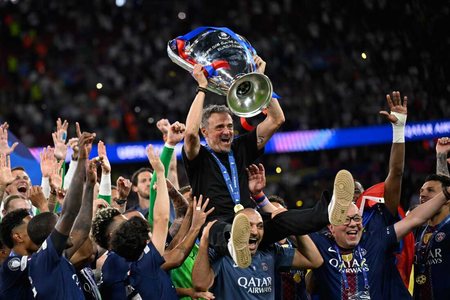
Today, after many years, Luis Enrique has entered the history of European football. In Budapest he won the Champions League for the third time as a coach, joining a very narrow group of legendary technicians such as Pep Guardiola, Zinedine Zidane and Bob Paisley. Only Carlo Ancelotti stands ahead of him with five trophies won.
In fact, if PSG manages to triumph again next season, Luis Enrique could equal Zidane's record of three consecutive Champions League wins.
There are several reasons that make such a scenario plausible. The first is related to the exceptional quality of PSG, which has begun to dominate Europe precisely at the moment when the project focused more on collective quality than on big names.
Another element is the way Luis Enrique manages the group during the season. In the league he often saves the players' energy, keeping them in the best possible physical and mental shape for the crucial Champions League matches.
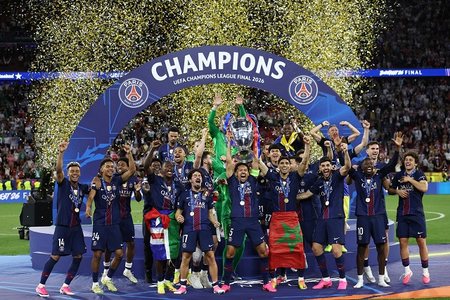
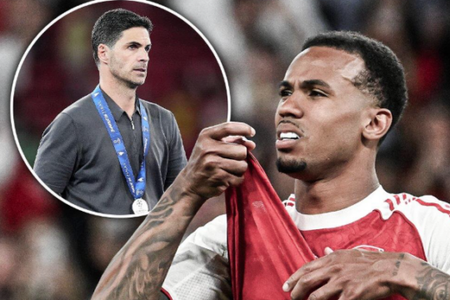
A significant detail is the fact that 10 players in the starting lineup in the final against Arsenal were the same ones who had played in the 2025 final against Inter, which shows the stability and continuity of the project.
Equally important is the team mentality. Today's PSG is characterized by humility and group spirit, at a time when the squad no longer has superstars monopolizing the spotlight, but high-level footballers who work for the collective.
Për vite me radhë, figura e Luis Enriques është shoqëruar edhe me tragjedinë personale që përjetoi pas humbjes së vajzës së tij, Xana, e cila ndërroi jetë si pasojë e një tumori në kocka. Megjithatë, trajneri spanjoll e përballoi dhimbjen me dinjitet të rrallë, pa e përdorur asnjëherë si justifikim.
“E ndjej gjithnjë pranë meje”, u shpreh ai shkurt kur u pyet për të bijën.
Në aspektin profesional, Luis Enrique ka aftësinë të imponojë idetë e tij te futbollistët, duke ndërtuar skuadra që funksionojnë si mekanizma perfektë. Loja e tij nuk mbështetet te individualitetet, por te lëvizjet e koordinuara, organizimi taktik dhe bindja se suksesi arrihet përmes punës kolektive.
Ndoshta Roma e vitit 2011 nuk ishte gati për një trajner me këto karakteristika. Ndoshta as futbolli italian i asaj kohe nuk ishte. Nuk ishte rastësi që, pas rezultateve të para negative, Luis Enriques iu kërkua të përshtatej më shumë me kulturën italiane të futbollit.
Ai, megjithatë, nuk hoqi dorë kurrë nga filozofia e tij, edhe kur rrezikonte shkarkimin.
Sot, 15 vite më vonë, lind natyrshëm pyetja: a do të ishte futbolli italian aktual gati për Luis Enriquen?
Përgjigjja mbetet e hapur. Pagat e tij dhe niveli i kërkesave ndoshta do të ishin të vështira për shumë klube italiane. Por mbi të gjitha mbetet dilema nëse tifozët dhe ambienti futbollistik do të pranonin zgjedhje të guximshme si lënia në stol e një portieri si Donnarumma për t’i besuar një lojtari tjetër, apo sakrifica të caktuara në kampionat për të synuar maksimumin në Europë.
Luis Enrique është pikërisht ky: një trajner që ndjek bindjet e tij deri në fund. Dhe PSG-ja, që vendosi t’i besojë, nuk ka arsye të pendohet.


Lini një Përgjigje