


 Shkruar nga Pamfleti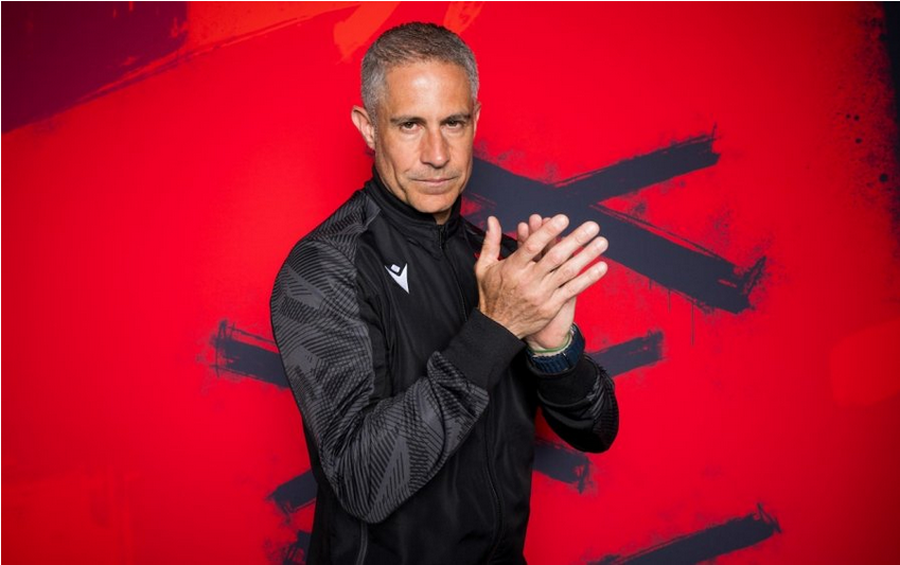
Shortly after his appointment as Albania's new coach in January last year, Sylvinho realized he had a problem.
The former Arsenal and Barcelona defender had big plans for a new tactical approach, deploying exciting wingers on the wings, but he simply didn't have the players for the plan. On the right wing, especially, his options were almost non-existent.
It was Albania's analysts, led by Alarico Rossi, who came forward with a solution. Since 2017, they had been quietly working on a tool that could transform the fortunes of the national team and unleash their nation's considerable footballing potential. Now, with Sylvinho in need, it was time to make the most of this tool.
Albania's secret weapon was a database. A carefully compiled list of players, built over years and thousands of hours of work, which contained the details of footballers around the world who could one day represent Albania.
At this point, you might be tempted to ask: what's different about this? Doesn't every national team have a system for tracking their footballers? Well, yes, but few national teams operate in circumstances as extraordinary and challenging as those facing modern Albania. Other nations may have their own databases, but they are nothing like this.
Consider this: Albania's population is about three million, about the same as Wales. But the Albanian federation believes there are up to nine million Albanians living elsewhere in the world, as part of the country's large diaspora. The challenge for Ross was to find a way to tap into that diaspora, to identify Albania's expatriate talent and then bring it home.
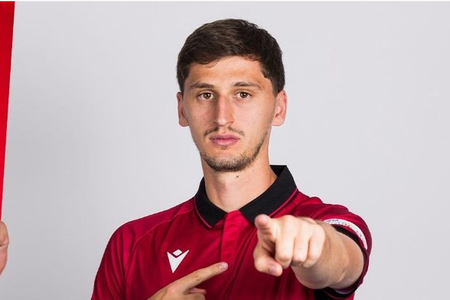
Six years after starting this project, the database produced the name of the exact type of winger Sylvinho wanted. His name was Jasir Asani and he plays for Gangju FC in South Korea. Born in North Macedonia to Albanian parents, Asani had not played for any national team and was therefore eligible to be drafted.
His subsequent selection was a triumph – since he was first selected, he has been one of Albania's most important players. "The database we have is invaluable," said Sylvinho, who is assisted by former Manchester City defender Pablo Zabaleta. “[Without him] we probably wouldn't have found Asan.”
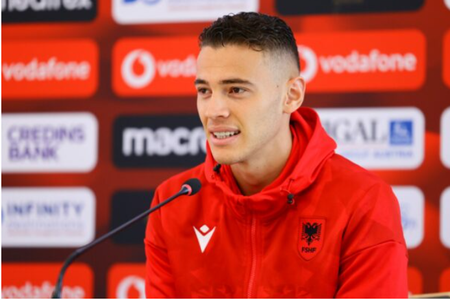
Within Sylvinho's squad for this summer's European Championship, Asani is by no means the only one who was born outside of Albania. Chelsea's Armando Broja, born in Slough to Albanian parents, is another example. Of Albania's 26 players, only eight were born in the country they will represent this summer.
Identifying and tracking players of Albanian heritage has proven to be one of the national team's great challenges, as well as one of their great recent successes. He searched through endless lists of football players in leagues around the world, looking for proof of the Albanian surname. For players with Albanian mothers, who do not bear the Albanian surname, it is even more challenging.
Then there is the issue of passports and visas, and indeed competition. Players with dual or triple nationality are often sought after by other nations and Albania has at times had to move quickly and decisively to convince these footballers to join their national team rather than another.
Rossi, an Italian, has effectively monitored the entire football world to get to this point. Albania's squad in Germany is built with players from leagues in 12 different countries and they have tracked players from almost 30 leagues over the past two seasons. These include South Korea, India, the United States, the United Arab Emirates and the first and second divisions across Europe.
Their first opponents, Italy, have instead opted for a 26 in which only three leagues are represented. The task of monitoring the players is significantly more difficult for Albania, which has limited financial resources. Indeed, Rossi and analysts have created and perfected their own algorithm, without the help of big data companies or artificial intelligence.
Albania is truly the most international of international teams, which poses unusual questions for their coaching staff. Not all players speak the same language, for example. They didn't grow up in the same football culture.
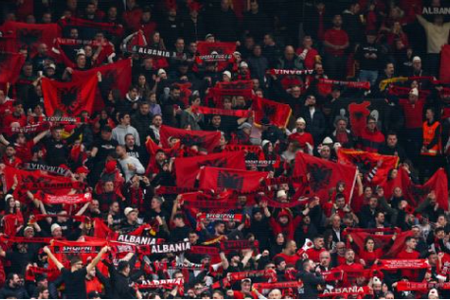
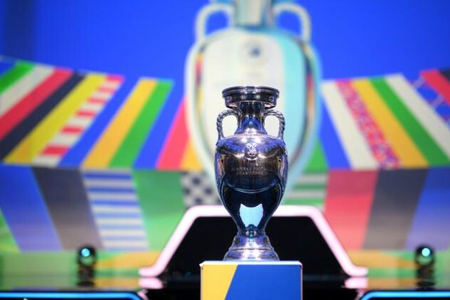
Therefore, on paper, there would be every reason to believe that this approach would not work. But they have shown that multiculturalism, with Albanian pride at its heart, is a powerful weapon: Albania finished top of their qualifying group to reach their second ever European Championship and have lost just 3 of 13 games with Sylvinho in charge .
The challenge they now face is perhaps even more daunting than the task of tracking unknown footballers qualified for Albania across the planet. After Saturday's meeting with Italy, they face Croatia and Spain in the group stage. The fixtures could hardly be tougher, but Albania, fueled by their game-changing database and their multicultural mix, are ready for what comes next.



Lini një Përgjigje