


 Shkruar nga Pamfleti
The tournament that was supposed to symbolize North American unity is facing political tensions, different organizational models and conflicting policies between the US, Canada and Mexico...
When soccer representatives from the United States, Mexico and Canada launched the global campaign to win the hosting of the 2026 World Cup, they always traveled together: one representative from each country. The goal was to emphasize a single message – that the three largest North American countries acted as a united bloc.
John Kristick, former executive director of the Joint Bid Committee for 2026, explains that the idea of unity was the foundation of the entire project.
According to him, every aspect of the candidacy was based on the concept of a joint bid, where success was directly linked to cooperation between the three countries.
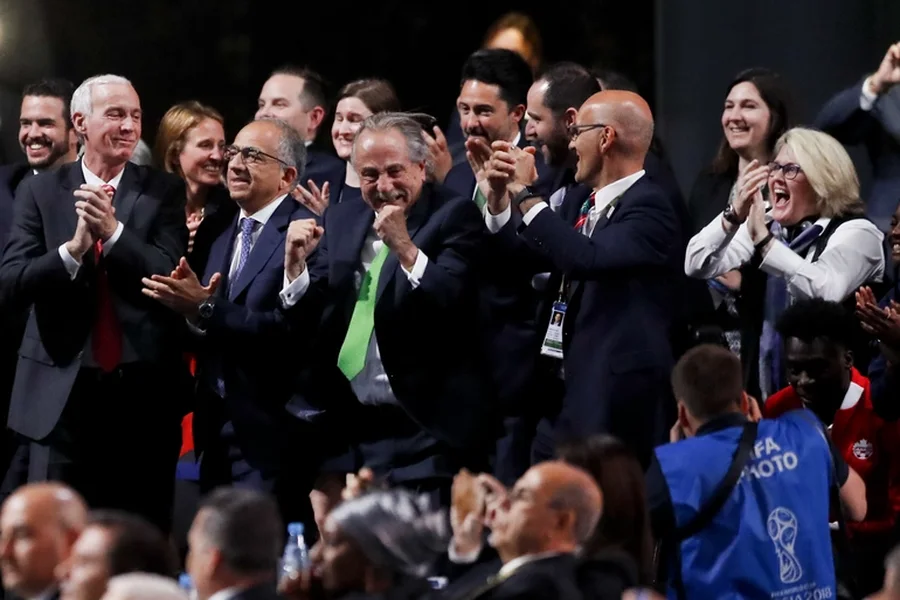
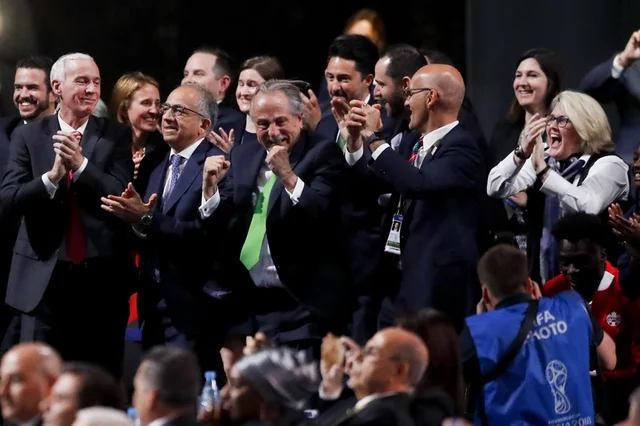
The strategy proved successful. In 2018, FIFA members decided to award the tournament to North America, marking the first time in history that three countries had co-hosted a men's World Cup. At the time, The Washington Post's editorial board described the project as "NAFTA's World Cup."
However, the NAFTA trade agreement is no longer in existence. It was repealed during US President Donald Trump's first term and replaced by the USMCA (United States-Mexico-Canada Agreement). This agreement is also in a moment of uncertainty, and the deadline for its renewal falls almost halfway through the 39-day tour in 2026.
In this context, trilateral relations are more tense than when the organization was won. As a result, according to a POLITICO analysis, the 2026 World Cup is starting to look more and more like three different tournaments taking place in parallel.
From a joint project to three different approaches
Differences between host countries are evident in several key areas: immigration policies, security and tournament financing.
A person involved in the candidacy process, who spoke on condition of anonymity due to the political sensitivity of the topic, said that currently FIFA is the "only glue holding together" the project.
Lee Igel, professor of global sport at New York University, notes that such a situation is not uncommon for multi-year projects.
According to him, when such events are announced, they exist mainly as optimistic ideas and concepts. But over the years that follow, political circumstances, leaders, and international relations change.
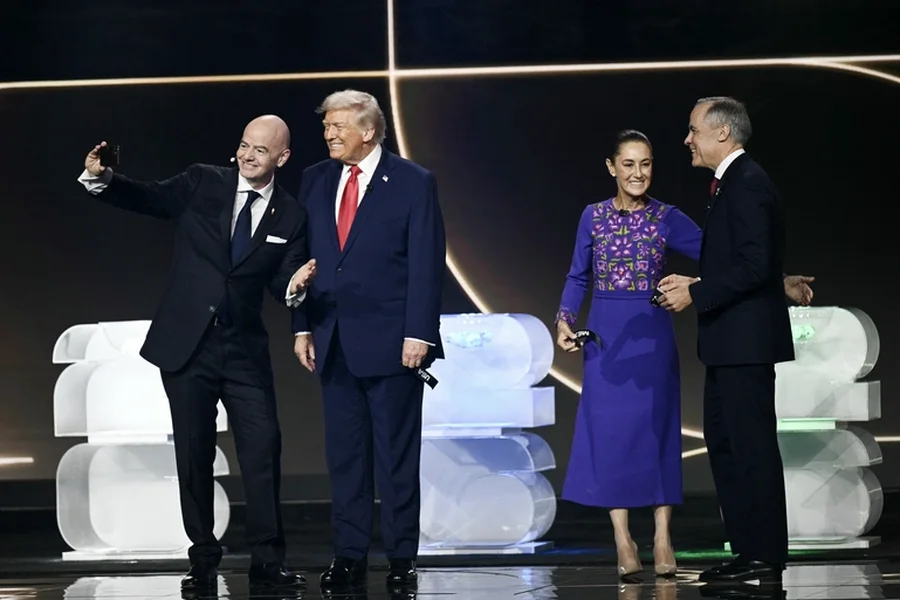
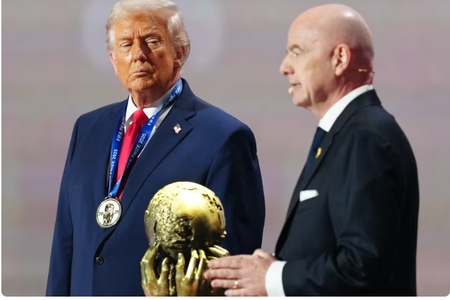
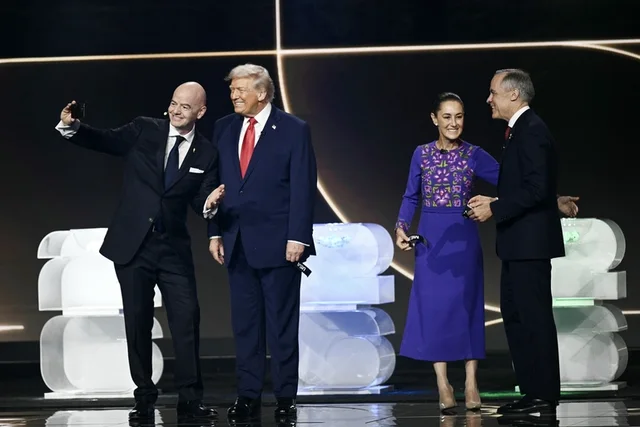
Një moment simbolik për unitetin ishte ceremonia e madhe në dhjetor kur u përcaktua kalendari i turneut. Në skenë, presidenti amerikan Donald Trump qëndroi përkrah presidentes meksikane Claudia Sheinbaum dhe kryeministrit kanadez Mark Carney për të tërhequr simbolikisht shortin e parë.
Zyrtarët e FIFA-s e paraqitën këtë si një moment historik: hera e parë që tre liderët e vendeve organizatore shfaqeshin së bashku personalisht për projektin e Kupës së Botës.
Megjithatë, takimet reale mes qeverive kanë qenë të pakta. Secili vend ka emëruar një përfaqësues kryesor për koordinimin e projektit, por kontaktet trilaterale kanë qenë sporadike.
Në një samit sigurie të mbajtur në janar në Colorado Springs, drejtori i Task-Forcës së Shtëpisë së Bardhë për FIFA-n, Andrew Giuliani, nuk përmendi fare Kanadanë dhe Meksikën në fjalimin e tij. Vetëm kur në skenë doli zyrtari i sigurisë së FIFA-s, GB Jones, u theksua natyra ndërkombëtare e turneut.
Modele të ndryshme financimi
Organizimi i Kupës së Botës gjithashtu financohet në mënyra shumë të ndryshme në tre vendet.
Meksika, e cila do të presë ndeshje në tre qytete, ka vendosur përjashtime tatimore për të stimuluar investimet në infrastrukturë turistike dhe projekte të lidhura me turneun.
Kanadaja ka ndarë mbi 300 milionë dollarë për kostot e organizimit, me më shumë se dy të tretat e fondeve që shkojnë drejtpërdrejt për qeveritë e qyteteve pritëse, Vancouver dhe Toronto.
Në Shtetet e Bashkuara situata është ndryshe. Qytetet organizatore duhet të sigurojnë vetë pjesën më të madhe të financimit, kryesisht përmes sponsorizimeve dhe donacioneve.
Kongresi amerikan ka miratuar 625 milionë dollarë për të rimbursuar kostot e sigurisë për qytetet pritëse. Megjithatë, një mbyllje e pjesshme e qeverisë federale dhe vendimi i Departamentit të Sigurisë Kombëtare për të ndalur miratimin e disa granteve kanë krijuar vonesa serioze në shpërndarjen e fondeve.
Si pasojë, disa qytete amerikane janë detyruar të reduktojnë aktivitetet për tifozët. Jersey City anuloi festivalin e madh të tifozëve në Liberty State Park dhe e zëvendësoi me aktivitete më të vogla komunitare. Në Seattle, festivali i tifozëve do të zhvillohet në një format më të shpërndarë në disa zona të qytetit.
Politika dhe gjeopolitika në sfond
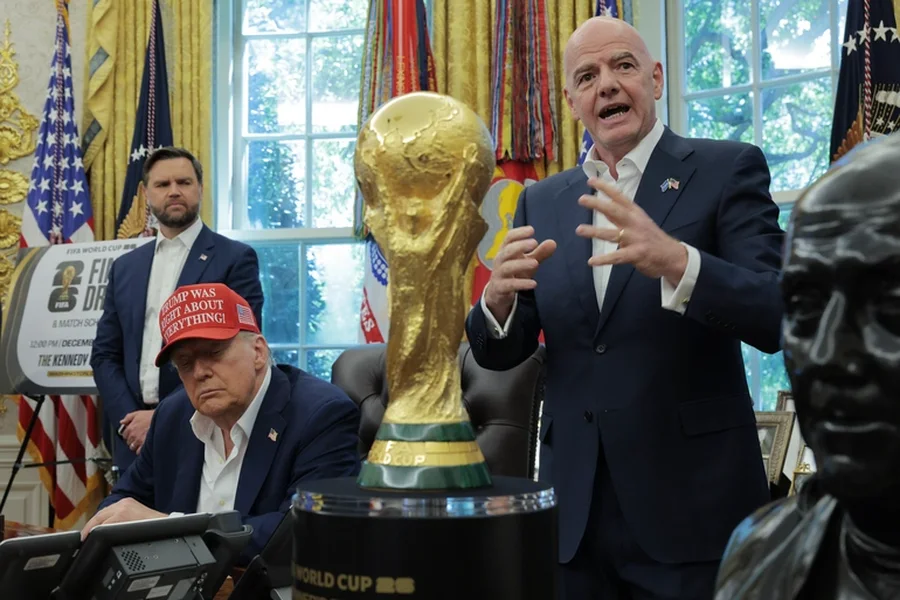
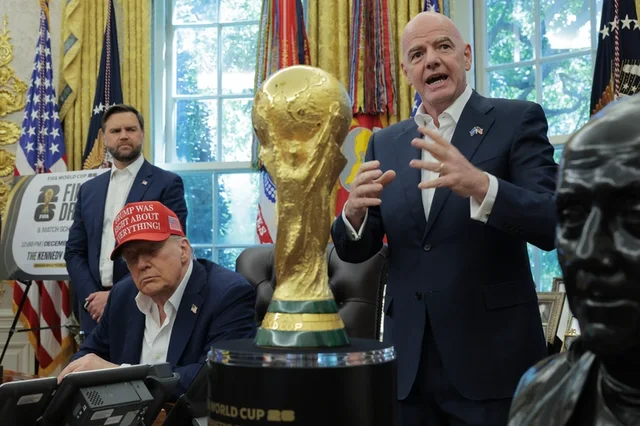
Turneu është gjithnjë e më shumë i lidhur me politikën amerikane dhe me rolin e presidentit Donald Trump, i cili ka zhvilluar tetë takime me presidentin e FIFA-s, Gianni Infantino, që nga rikthimi i tij në detyrë.
Ndërkohë, liderët e Meksikës dhe Kanadasë kanë zhvilluar vetëm nga një takim secili me kreun e FIFA-s.
Marrëdhëniet mes Uashingtonit dhe fqinjëve janë gjithashtu të tensionuara. Trump ka deklaruar në një moment se presidentja Sheinbaum “nuk e drejton Meksikën”, ndërsa kryeministri kanadez Mark Carney erdhi në pushtet duke premtuar se do të përballej politikisht me presidentin amerikan.
Trump has also repeatedly proposed the idea of Canada becoming the "51st state" of the US, and his administration has expressed support for a separatist movement in the province of Alberta.
At the same time, the July 1 deadline for renewing the USMCA trade deal has increased diplomatic pressure among the three countries. If the deal is not extended, the tariff-free trade that links North American economies could be in question.
Obstacles for fans and visa policies
Different immigration policies also create obstacles for fans.
Under travel restrictions imposed by the Trump administration, citizens of several countries, including Iran and Haiti, cannot enter the U.S. Canada and Mexico do not have the same bans, which creates unequal access to the tour.
For example, fans from Ivory Coast may be more likely to attend a match in Toronto than another taking place in Philadelphia.
Human rights standards
Another issue is how the host cities are addressing human rights standards.
Following criticism of "sportswashing" at the World Cups in Qatar and Russia, North America's joint bid placed the protection of human rights at the center of the project.
Host cities had to present concrete plans for the protection of various social groups, including ethnic minorities, migrant workers, the LGBTQ+ community, people with disabilities, and journalists.
However, the August 2025 deadline passed without any American city submitting a report on time. Only in recent months have some cities begun to publish their documents, creating different approaches.
The Vancouver report mentions protections for the LGBTQ+ community several times, while the Houston report does not mention sexual orientation or gender identity at all.
The director of global initiatives at Human Rights Watch, Minky Worden, emphasizes that standards should have been the same in all hosting countries.
According to her, the project was not intended to operate according to the principle of the lowest common level.
From integration to fragmentation
The initial idea of the joint candidacy was to demonstrate the economic and political integration of North America.
However, according to POLITICO's analysis, the path from concept to realization of the 2026 World Cup reflects a different reality: a continent with diverse policies, diplomatic tensions and national priorities that often compete with each other.
In this context, FIFA remains the main institution trying to maintain the coherence of the tournament and ensure that the World Cup is held as a single event, despite the political fragmentation surrounding it. /Adapted Pamphlet /




Lini një Përgjigje