


 Shkruar nga Pamfleti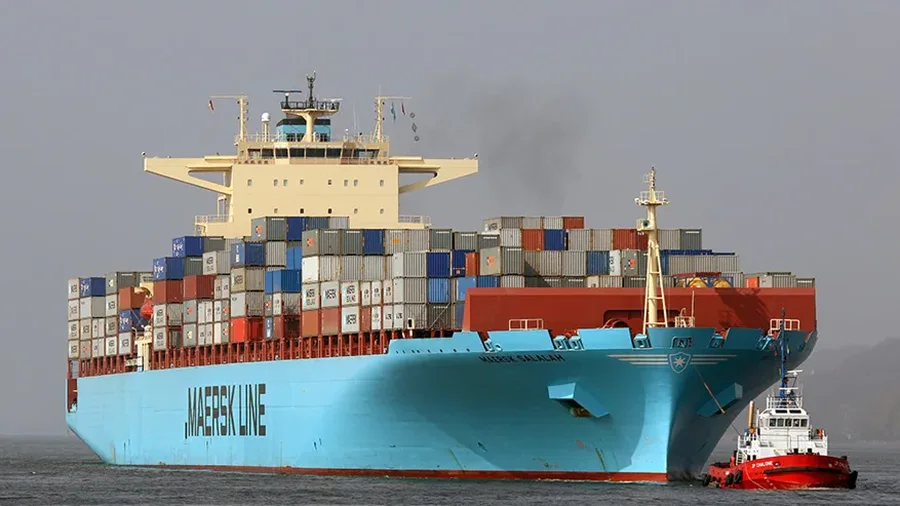
From the Port of Durrës, every three or four months, a material is exported that is suspected to be a poisonous powder known as 'EAF', which comes out of the chimneys of metallurgical factories.
The issue of the export of a quantity of industrial waste from the port of Durrës, which is suspected of containing harmful poisonous substances, has turned into a story of many doubts, with many unknowns. A dual investigation is being carried out by the Durres prosecutor's office in Albania and the European Union Anti-Fraud office, OLAF, in Brussels, over 100 containers recently blocked in Singapore, originating from the port of Durres.
The American non-governmental organization "Basel Action Network" told the Voice of America that it is convinced that the port of Durrës, not only in this case, but also in other cases before, has been used to extract from Albania, the region and probably also from other European countries, hazardous toxic waste to some Asian countries.
From the Port of Durrës, every three or four months, a material is exported that is suspected to be a poisonous powder known as 'EAF', which comes out of the chimneys of metallurgical factories. That's the claim of the Seattle-based Basel Action Network (BAN). His representative, Jim Puckett, told the Voice of America that the data that BAN has was obtained from a whistleblower from the Port of Durrës, who has provided evidence for this.
" A month ago, we created a portal where individuals from all over the world can report toxic waste. The first person who alerted us was an individual who observed the transport of toxic waste in the port of Durrës. He had knowledge of where the poisonous powder was going and documents showing the route of the cargo ," he said.
After receiving the data, BAN says that it has conducted its own research and comes to the conclusion that shipments of this nature are regularly made from the port of Durrës.
" We were able to confirm that the containers that the whistleblower reported, their identification numbers, we verified through the 'Google Earth' application, also through Google Earth satellite images, we located their exact location by comparing it to the lights and roads of port. We have three sources of data taken at three different times. We suspect that this happens every three or four months ", it is further emphasized.
The ash exported from the port of Durrës belongs to the company 'Sokolaj', which bought it from the factory of the Kurum company in Elbasan, which produces steel and iron. Contacted by the Voice of America, the Sokolaj firm has not responded until the preparation of this material.
The Turkish firm Kurum, in a statement made on August 21, although it does not provide an accurate explanation as to whether it is the seller of this item, says that
"Kurum International has never exported hazardous waste, so even in this case, this cargo in question was not exported by Kurum International".
Mr. Puckett says that the frequent export of this material from Durrës raises doubts that it does not come only from the Kurimi factory, since this factory is not large enough to produce such large quantities of EAF powder.
"This material may have originated from other European countries. Wherever there are steel smelting plants, this type of ash is created. Companies want to get rid of it because the cost is higher to manage it properly. Also, the zinc extracted from it is not that valuable," says Mr. Puckett.
According to the data that the whistleblower gave to the Basel Action Network, the last case was in July, when suspicious material was first loaded into containers at the Port of Durrës. After leaving the port of Durrës, the containers travel to the port of Trieste, in Italy. There, the containers are loaded onto two other transport ships, belonging to the Danish company 'Maersk'. From the Italian port, through the Mediterranean Sea and the coast of Africa, the goods first left for Singapore, from where it would continue its way to its final destination, Thailand. As the cargo sailed between the waters of the Middle East and South Africa, one of the two ships carrying it disappeared from radar. BAN says that this happened exactly at the time when they raised concerns that a shipment of poisonous dust was being transported from Albania to Asia.
Danish firm Maersk confirmed to VOA that the signal from one of its ships was indeed stopped, but says it was not for the reason BAN suspects.
"A non-governmental organization has speculated as to why our ship Campton's tracker was turned off. While the security situation in the waters around the Middle East region is sensitive, it is not unusual for some ship owners to disable their tracker."
This suggests that it may have been done to avoid an attack by the Yemeni militant group, the Houthis, since the start of the war between Israel and Hamas, has carried out a series of attacks on shipping vessels that have sailed near Yemen.
Maersk also told VOA that they decided to transport the cargo because the accompanying documentation said it was non-hazardous.
"If it had been declared to contain hazardous waste, Maersk would have refused to transport it. "Due to speculation about its contents, Maersk has cooperated with the Singaporean authorities... Our ship Campton has unloaded the containers in Singapore and they are now being repatriated to Albania by another company."
Një tjetër argument që përmend “Rrjeti i Aksionit të Bazelit” për dyshimet e transportimit të këtij materiali nga porti i Durrësit është dërgesa e parafundit që shkoi nga Durrësi për në Kinë. Nga muaji prill, sipas drejtorit ekzekutiv Jim Puckett, kjo dërgesë është bllokuar në një port kinez, afër Hong Kongut.
“Kjo dërgesë u nis nga i njëjtë port. Sipas sinjalizuesit tonë, kinezët e kanë refuzuar atë. Janë 115 kontejnerë nga Shqipëria që ende janë të bllokuar në Kinë. Kinezët e kanë analizuar materialin dhe kanë gjetur nivele të larta të metaleve, përfshirë mbi 8% plumb”, thotë zoti Puckett.
Dy ministri të qeverisë shqiptare në fundjavë thanë në një deklaratë të përbashkët se “Shqipëria nuk mundet të pranojë apriori rikthimin e ngarkesave të tilla vetëm mbi bazën e dyshimeve e të spekulimeve, pa realizimin e analizave shteruese ...”
Nëse konfirmohet se fjala është për hirin që del nga oxhaku i fabrikave metalurgjike, atëherë pasojat, sipas BAN-it janë të rënda, për shëndetin e njerëzve dhe mjedisin, por mund të ketë edhe pasoja politike.
Pluhuri EAF përmban përqindje të lartë metalesh si plumbi dhe kromi dhe mbetje të tjera kimike që shkaktojnë kancer.
Në fotografitë e sinjalizuesit të BAN-it për rastin e muajit korrik, sipas zotit Puckett, shihen grumbuj të hirit që ishin lënë në mjedis të hapur në portin e Durrësit. Fotografi të ngjashme shihen edhe në aplikacionin ‘Google Earth’. Një e tillë, e bërë më 11 tetor të vitit të kaluar, tregon grumbuj të hirit brenda hapësirës së portit të Durrësit.
“Fjala është për një mbetje të rrezikshme nëse nuk trajtohet si duhet. Ju nuk do të donit ta mbani këtë afër fëmijëve apo personave me sëmundje kronike”, tha zoti Puckett.
Prokuroria e Durrësit njoftoi të mërkurën se ka nisur hetimet, në bashkëpunim me Zyrën Evropiane kundër Mashtrimit Ekonomik (OLAF). Kjo zyrë nuk pranoi të komentojë.
“Ne nuk jemi në gjendje të japim detaje në lidhje me rastet që OLAF mund të trajtojë pasi duhen mbrojtur të dhënat e çdo hetimi të mundshëm dhe të proceseve të mundshme gjyqësore që do të pasojnë...”, tha për Zërin e Amerikës zyra për informim e OLAF-it.
Dogana shqiptare megjithatë e konfirmoi për Zërin e Amerikës se ishte OLAF-i ai i cili e njoftoi Strukturën Antitrafik të Drejtorisë së Përgjithshme të Doganave për rastin. Kjo zyrë gjithashtu nuk pranoi të komentojë, pasi rasti tani është nën hetim. As kompania gjermane ‘EMS Shipping’ që menaxhon një pjesë të portit të Durrësit, pikërisht pjesën ku bëhet ngarkimi i këtij materiali në kontejnerë, nuk pranoi të bëjë komente.
“Duke qenë se rasti është nën hetim nga autoritetet me të cilat po bashkëpunojmë plotësisht, nuk mund të komentojmë detajet e rastit derisa të përmbyllet”.
Rrjeti i Aksionit të Bazelit thotë se ishin ata që e njoftuan OLAF-in për rastin. “Ne i jemi shumë mirënjohës OLAF-it dhe prokurorisë në Shqipëri që po merren me këtë rast, pasi unë kam përshtypjen që kjo është maja e një skandali shumë më të madh”, thotë Drejtori Ekzekutiv i BAN-it, Jim Puckett.
The political consequences, if the American organization's claim is confirmed, could be a violation of the Basel Convention, the United Nations treaty that regulates the trade in hazardous waste. Signatory countries of the convention, one of which is Albania, are not allowed to send toxic waste to another country, unless they receive prior approval from the host country.
The Albanian government rejected during the weekend the accusations that it did not act in relation to the suspected cases.
In the joint statement of the two ministries of the Albanian government, it is stated that Albania is classified as a safe country, as it has been verified and certified in several international inspections during the last years.
"I would advise that Albania take responsibility for what is happening in the port of Durrës. Someone should analyze the piles that are in the port and the goods that are being returned from Singapore. But I say with 95% certainty that it is EAF ash, which everyone in the metallurgical industry recognizes as toxic waste," Jim Puckett, Executive Director of the Basel Action Network, told VOA.
Mr Puckett says he understands that Customs may have been misled by exporters who may have declared it as non-hazardous material, but:
"It is very doubtful how this can happen in front of their eyes. I'm sure this is a bigger story that includes many exports that have not been noticed before and that probably have their source somewhere in Europe, or even other countries. I don't believe that this story is over."
The odyssey of these wastes is only in the first steps, while the completion of laboratory analyzes is awaited on what the goods actually contain in the containers that are traveling to return to Albania. /VOA


Lini një Përgjigje