


 Shkruar nga Pamfleti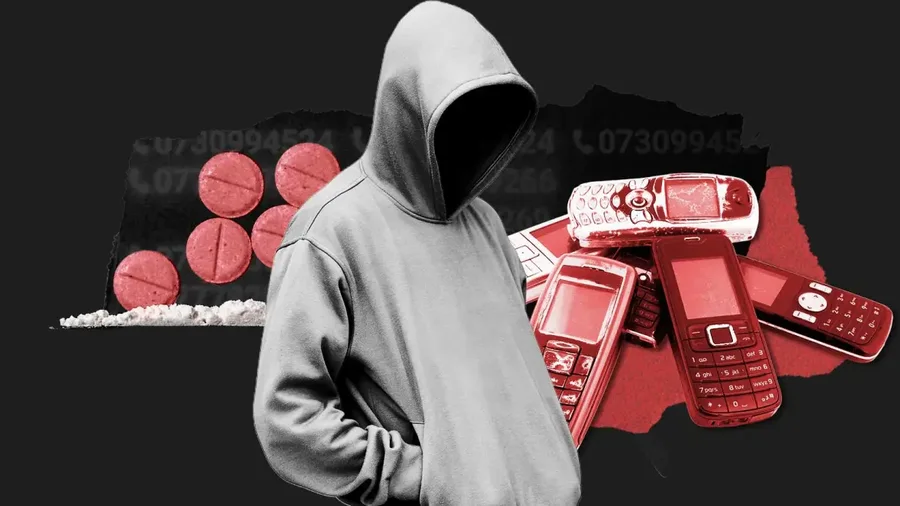
Gangs target middle-class children “from regular families” who “do well in school” because they go unnoticed. In the past, gang leaders offered children a phone and sneakers; now they might offer “a car and £5,000”…
Albanian gangs have tightened their grip on the UK drug market and are selling powdered cocaine in coded groups. Teenage boys and vulnerable people are often recruited to transport drugs from central areas to the suburbs on behalf of the gangs.
In an investigative article, The Times focuses on the new ways that gangs or criminal groups are using to sell narcotics.
According to the article, increasing competition and changing business models have caused recruitment methods to become more aggressive.
The main focus of the police is on heroin and crack cocaine, which seems to create space for criminal groups to sell cannabis and MDMA to middle-class users through encrypted messaging apps.
Gangs that sell recreational drugs to users through social media are operating with impunity as the law fails to stop the activity, The Times investigation has revealed.
Ten years after the National Crime Agency raised the alarm about "county lines", there are now more than 6,500 drug lines in operation, and gangs are adapting to new drugs, recruitment methods and sales methods.
Tens of millions of pounds have been spent to shut down nearly 10,000 lines and arrest 30,000 suspects, but the business model remains as widespread as ever.
The investigation reveals that organized crime has created new supply methods, leading police to report an increase in “social media lines” for middle-class users. The gangs are targeting middle-class children “from regular families” who “do well in school,” as they go unnoticed.
In the past, gang leaders offered children a phone and sneakers; now they might offer “a car and £5,000”.
Journalists spent months following police investigators and participating in raids with officers tasked with dismantling “county lines” gangs. They interviewed prosecutors, senior police officers and politicians to understand the threat of drug trafficking and its impact on communities and young people across the United Kingdom.
The Times analyzed almost eight million lines of criminal data and found that the number of cannabis and MDMA dealers imprisoned for supply has fallen by more than a third over the past decade.
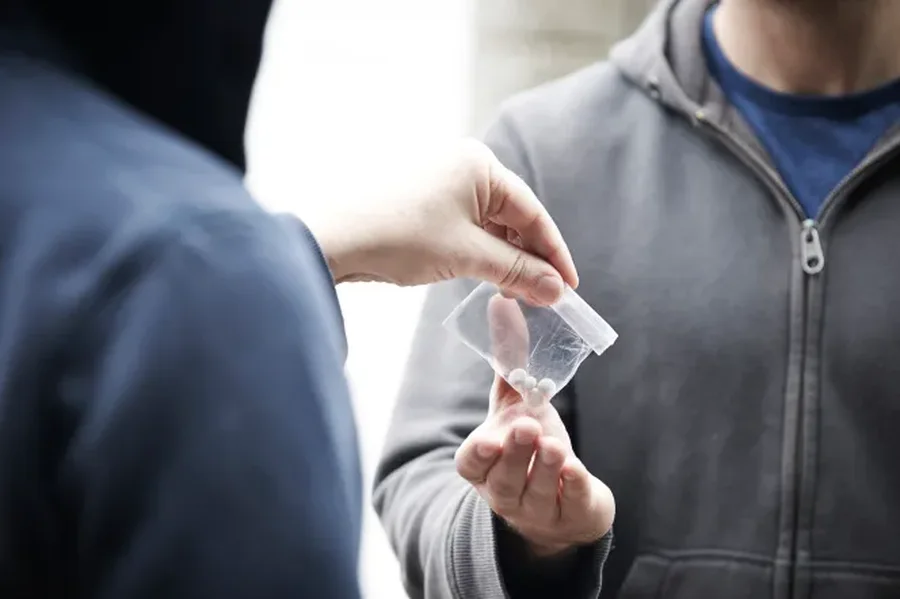
At least 6,544 traditional county lines continue to sell heroin and crack cocaine to addicted users via temporary phones, despite millions spent to disrupt the trade in class A drugs.
Dealers are staying one step ahead of police and prosecutors by targeting middle-class users who buy party drugs online via smartphones.
Gangs have created 500 "social media lines" to sell cannabis, MDMA, ketamine and crystal methamphetamine to casual users.
Cannabis sales through social media increased significantly last year and it is now the "most dominant drug" sold on Instagram and messaging apps.
The “county lines” phenomenon is based on control. It encourages antisocial behavior, fuels serious violence, and endangers the lives of thousands of teenage boys, who are used as tools by criminals.
Criminologist Simon Harding warned that "we are not confronting the daily scandal of the manipulation and criminal exploitation of young boys who are sent to sell drugs across the country."
He added that, although the focus on the sexual exploitation of girls is right, the consequences for these boys are just as serious and can lead to their death.
The “county lines” phenomenon involves telephone lines used to distribute drugs from cities to other areas. It has increased territorial conflicts and violence. Boys aged 14–17 are manipulated to transport drugs, money and weapons.
"Today, at least 14,500 children are at risk of criminal exploitation, but the real figure could be much higher. One in nine children reported being asked to engage in drug or weapons-related activities," The Times writes.
Social workers report cases of forced sexual exploitation of boys, where gangs use compromising materials to control them. “They are afraid that their lives will be ruined if this is published, so they stay with the gang. They are trapped,” said a youth worker.
Also, some gangs are recruiting asylum seekers for drug sales. /Adapted from Pamphlet /








Lini një Përgjigje