


 Shkruar nga Pamfleti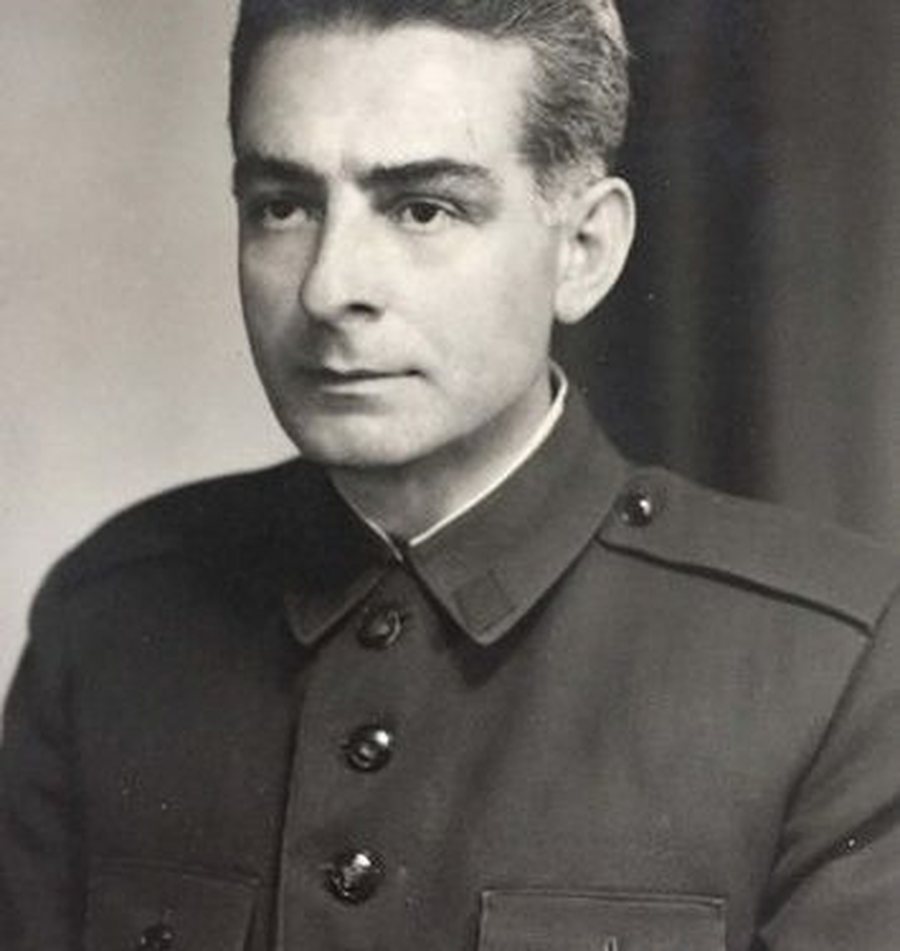
Skender Shaholli left the girl only four months old, when he was put in prison, for an accusation he had never heard of, and he found her 17 years old, when he was released from prison. Being young and strong, they moved him several times, during 17 years, from one labor camp to another, to use him in the most difficult jobs, where the prisoners almost lost their souls. But they had no escape. If they didn't make the plan, they cut the bars. In this article, which is part of the Doko family archive, we are publishing the story of the former political convict from the Korça district, who lost his daughter's childhood and his youth in prisons.
Mr. Skender, can you tell us something about yourself and your family?
My name is Skënder Shaholli and I was born in 1934. My family from the villages of Korça was a middle peasant family. My father was in America, I was born two months after he left.
How do you remember the circumstances and moment of your arrest?
My mother is from Braçaj village. 15-16 men were arrested there, among them were some from the mother's tribe. On September 7, 1959, I was arrested by the State Security in Korça. I had gone to the city of Korça because I was preparing an uncle's daughter to marry in two weeks. I had that brother, that I had a sister. She also had her father in America. When I went down to Korça, in a car park, three people came out, two I didn't know, one I knew, it was the operator of the area, Isa Abazi, his name was. They took me and put me in the car, in "Gaz", without telling me as was usually done; "in the name of the people, you are under arrest", because apparently there were many people.
There they told me; "lie down here!". "I didn't steal anything, why lie down", I told them. They took me to the Internal Affairs Branch in Korça. There I found three other officers, I remember one because I had him and an investigator in Tirana, his name was Ferat Matohiti, while the others, I don't remember who they were. There the irons were thrown on me, the questioning began, a session of questions, completely unimaginable for me, as if I had been connected with the Greek espionage, with the saboteurs who came from Greece: Lutfi Cane, Emin Cane, Samedin Cane, etc.
Did you know these people, about whom they asked you?
I knew Lutfiu and Emin, since before the escape, but I did not know Samediu and others who accused me there, and this work continued in Korça for three or four months. After three or four months, they took us to the auto-prison and took us to Tirana. There in the Tirana investigation, I had investigator Iljaz Haxhian, from Golloborda, who was a completely heartless man, so much so that he burned me with cigarettes in two places, however I did not accept anything. The chief investigator, Ferat Matohiti, took me. Carrying out the investigation with Ferati, but not by torturing me like Iljazi did, but with questions and answers, Ferati wrote the answers, not like Iljazi, who didn't write them, we continued for 9 or 10 months. From there, we went to court in Tirana, with the presiding judge Mit'hat Goskova.
What was the indictment?
The indictment was that I; "I was connected with the saboteurs who came from Greece and I had spent 26 times in Greece". Even if you were a bird, you couldn't spend that time in Greece, and in the end, it came out, like I was connected to Teme Sejko and the Sixth American Fleet, etc. This was a very stupid trick, since at the age I was at that time, twenty-three years old, I didn't even know who they called "fleet".
Did you have witnesses?
I had the prisoners as witnesses. I didn't have others.
Who was the prosecutor and how much punishment did he ask for in his claim?
The prosecutor was Isamedin Resnja and he asked for 15 years in prison. While the president of the court, Mit'hat Goskova, asked for 20 years in prison, because I did not accept the indictment. That's what he did to us all. The prosecution asked for the death penalty for three arrested. The president of the court added five with the death penalty. Even for four others that the prosecutor asked for 20 years, the president of the court gave them 25, for the three of us that the prosecutor asked for 15 years, he gave us 20.
What happened after they made the decision?
We stayed a year and a half in isolation, in Vlora prison, without making contact with other prisoners. A separate yard, a separate room, where seven of us stayed. After this period of time, they took me from there and took me to Camp 307, in Tirana, where we had a camp commander, Colonel Bajram Kovarfa. We stayed there for a month and a half, until those palaces were finished and they took us to Rubik, to the copper factory. I worked there for three years and from there they sent us back to Vlora, about 35 people, most of us specialists, to demolish the Vlora prison and turn it into offices.
Did they move you back from there?
Yes, after a month and a half, I was taken to Camp 303 in Elbasan, to the Cement Factory. We worked there as much as we worked, from there we went to Fushë-Kruje, again to the cement factory, they returned us to Elbasan, we finished the Elbasan factory. From there, they took us to Mirdita Reps, we built a copper enrichment plant. After about three years, from there, they took us to Kriporen in Vlora, I think about two years, and from there, they sent me to Ballsh and there for two or three years, that's all. There came my release.
Before the release came, tell me, of all these prisons you have been through, which one do you remember as the most terrible?
Atje, duhet të dijë mirë çdo njeri që nuk ka kaluar në këto vende, njeriu zë vetveten dhe nuk mendon më për gjë, vetëm vetveten. Më keq, nga gjithë këto vende, kam parë në Rubik, sepse kishim një komandant kampi, Bajram Korvafa e quanin. Ai ishte njeri që, kishe punë, nuk kishe punë, të mbërthente prej gurmazi. Edhe do të punoje patjetër, se ai na thoshte; “o planin, o xhanin”! Kudo ku kemi qenë, po të mos bëje planin, kishe hekurat. Po unë, shyqyr Zotit, kisha shëndet dhe planin ia bëja.
Ishe i ri, ishe i fuqishëm?
Mirë isha.
Po në kapanonet ku flinit, si ishin kushtet?
Krevatet ishin të shtruara me dërrasa, por jo të zdruguara, larg njëra tjetrës, që të binte pluhuri i atij që kishte sipër. Ne u shtronim nga një thes çimentoje, që mos të rrëzohej pluhur te shoku poshtë, nga dy batanije, edhe tri kishte. Kushtet ishin shtazore, flinte njeriu në dërrasa, si kafshë.
Po ushqimi?
Ushqimi ishte shumë i dobët. Jashtëzakonisht i dobët.
Zoti Skënder, gjatë kohës që ishe në burg, çfarë ndodhte me familjen tënde?
Familjen time në fshat, gjynah të qahem, nuk e trazuan. Unë nënën kisha, gruan dhe një fëmijë, që e lashë katër muajsh. Fshati është sjellë mirë me familjen time. Ato që nuk janë bërë, nuk mund t’i themi.
Me se jetonin ato?
Ato nga ekonomia qenë mirë, sepse babai ishte në Amerikë dhe dërgonte vazhdimisht para. Dhe testamenti i babait ishte, që të vinin te nëna ime, 200 dollarë në muaj, kështu që ekonomikisht, nuk ka vuajtur familja ime.
A të kanë ardhur të afërmit, kur ke qenë në burgjet larg?
Vetëm dy vajzat e tezes që rrinin në Plug, që ishin të internuara. Ato më kanë ardhur, të tjerë jo, nuk më kanë sjellë një cigare. Përveç nënës, gruas dhe një gruaje xhaxhai. Ato më kanë ardhur.
A ju kanë treguar se çfarë hiqnin ato për të ardhur, nëpër një rrugë shumë të largët, nga Devolli në Reps?
Nuk më qenë ankuar, por mund të them që; në gjithë këto vite burg që bëra, vetëm një here, në Vlorë, e kam takuar fëmijën, kur ishte 3 vjeçe. Edhe atë herë, ma la një polic që ishte atje dhe pastaj asnjëherë më, unë andej, familja këtej, as me dorë nuk e takoja.
E ke takuar vetëm një herë vajzën, kur ka qenë 3 vjeçe?!
Po, e la ai polici. Ishte me shpirt të mirë, si duket, edhe i tha nëna: “O bir, ta takojë pak çupka?” dhe hapi derën, hyri çupka. Tjetër herë, nuk di t’i kem dhënë dorën, as nënës, as gruas.
Në Ballsh ju erdhi lirimi, sa vjet burg u bënë?
17 vjet, e disa muaj.
Si e kujtoni momentin kur je liruar nga burgu?
Edhe sot çuditem. Atë moment kisha ngrirë. Nuk kisha ndonjë gëzim që po dilja. Duke menduar; “ku do vete”?! “kush më pret”?! Edhe kur erdha në Bilisht, sepse e kisha lajmëruar nënën, më priste vetëm nëna me çupën. Erdha këtu, takova nënën dhe çupën dhe u ngjita në fshat. 17 vjeçe ishte bërë çupa.
Çfarë bëre, pasi dole nga burgu?
Pasi dola nga burgu, në kooperativë kam punuar.
Po vajza çfarë bëri?
Čupa continued high school for Agronomy, finished with 9.8, but higher, he could not go, no one gave him the right to study for higher school, since I was a political prisoner. And so the maid was forced to work alone in the cooperative.
The end of '90 and the beginning of '91 came. Albania was opening up and democracy was coming. Tell me, how did you expect it?
I have heard since 1986 the "Voice of America", which said in '89, the Berlin wall will fall and in '90, the Cold War will end, but only I heard this, neither my mother nor my wife . It was June 27, I'll never forget it. I expected it to happen.
How did you expect the system change?
When the system broke down, I moved to Hungary. From Hungary to Austria. I stayed a year and a half in Austria, and from Austria, I had the right, that is, I won political asylum, to move to America. I went and stayed a year and a half there. This is where democracy took place. I took my wife and the little maid, the big one stayed there, and I came to Bilisht, to enjoy democracy, as a man thirsty for freedom.
Now who do you have in America?
Now I have the big maid there, she has a husband, two sons and a married maid.
And you, who do you live with?
I had the bad luck that my wife no longer lives. I took in a son-in-law and I have a niece and a nephew.
Because all the best, you have become a grandfather...?
I have also become a great-grandfather.
Maybe in that period, those who tortured you, thought that you would have finished work a long time ago, but time brought you to this day, to become a grandparent and I hope you live happily.
God has his miracles. As I suffered in the inquest, I should have died, not once, but several times. Even in those conditions where I lived, it was very difficult, but God gave me health, strength, courage, that I came out and am talking to you.
Have you met any of those witnesses who came against you?
I have seen them, but I have not met them.
What do you feel about them?
They, all that they did, they did out of evil, they didn't know anything, they were identical to my work, at least the ones I lived with, the others who were killed, I don't know.
During the time you were in prison, were there attempts to make you an associate of the State Security?
There was. I don't know if they brought them or brought them themselves, but there were also of this nature./ Memorie.al



Lini një Përgjigje