


 Shkruar nga Pamfleti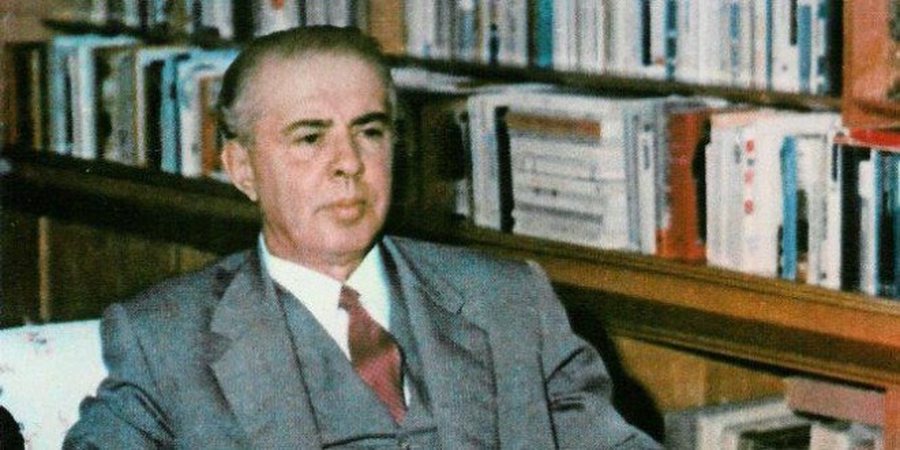
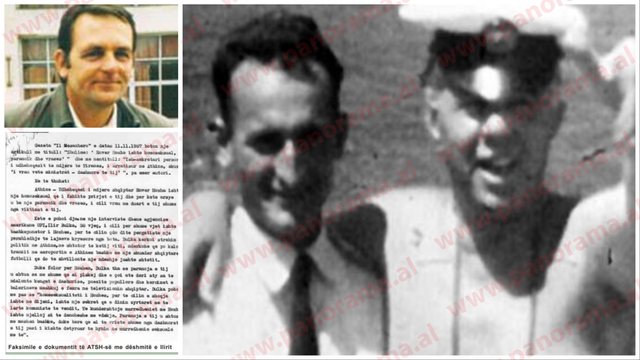
The news about the escape of the translator Bulka in the fall of 1987, arrived in Tirana at the same time as the sensational testimony about the sexual orientation of Enver Hoxha, which he had given to the Western press. Bulka's statements about the dark sides of the dictator's personality were received with interest by the foreign media and in a few days they went around the world. With their summary, Ali's assistants, Hoxha's successors, prepared a special bulletin, which is located in the State Archive. Below we are clarifying the parts that the KQ apparatchiks have collected from Bulka's statements...
The Greek newspaper "Vradhini", November 10, 1987, publishes the article with the title1: "'I left Albania to breathe freely...' said Enver Hoxha's translator".
Athens - "I came to Greece to breathe freely. Yes. I was Enver Hoxha's personal translator and I know important details about his homosexual life and passion! I experienced the shock that was created in the mechanism of the Party of Albania when there were escapes abroad. They suppressed human rights, there are deportations, imprisonment, economic decline, censorship, moral deviations. The catalog is long!”
The newspaper "La Stampa" dated 11.11.1987, publishes an article entitled: "Albanian Stalin, homosexual and murderer", with the subtitle: "A former colleague of Hoxha says: The fear of being ridiculed led him to paranoia". and with the subtitle: "To oppose relations with the leader meant to be sentenced to death, and yet he was sexophobic and condemned homosexuality to 7 years of forced labor."
Athens - The late Albanian leader, Enver Hoxha, was a homosexual who hid his tendencies, which led him to paranoia and murder, declared Ilir Bulka, his former colleague from 1973 to 1980, 5 years ago that Hoxha would die, in an interview given to the UPI agency. Bulka has sought political asylum in Greece. "The psychological fear of being ridiculed made him cling to power by all means, despite the fact that this meant using methods such as mass extermination," said Bulka, who added that Hoxha imposed a strict code of moral behavior on throughout the country, "enacted laws that condemned homosexuality and those found guilty of this crime were sentenced to at least 7 years in a labor camp".
Bulka then asserted that "Hoxha's homosexuality, of which his wife was aware, has influenced the history of our small country. The leader began to enter into homosexual relations in Paris, where he studied before the Second World War. The main Albanian leaders know that he continued his secret homosexual relationships until the day he died." The Albanian refugee, in his interview, praised the current leadership, saying that its new leader "Ramiz Alia is seeking to slowly reduce the influence of Hoxha's followers in the country, those who took privileged positions from him, but , like Gorbachev, has many dangerous enemies". Alia has lifted the law banning homosexuality and made some measured commercial and diplomatic overtures to the West.
The newspaper "Il Mesaxhero", dated 11.11.1987, publishes an article with the title: "Discoveries, Enver Hoxha was homosexual, paranoid and a murderer" and with the subtitle1: "The former personal secretary of the late leader of Tirana, escaped to Athens , accuses: Enver killed the ministers himself, his lovers"...
Athens – The late Albanian leader, Enver Hoxha, was a homosexual who hid his tendencies and therefore became a paranoid and murderer, who killed many of his victims with his own hands. Ilir Bulka, 38 years old, who for many years was a colleague of Hoxha, for whom he prepared a summary of the main news from the world, confirmed this yesterday, in an interview given to the American agency UPI. Bulka sought political asylum in Athens, in September of this year, while transiting at the Athens Airport together with an Albanian football team that was going to play a match abroad. Speaking about Hoxha, Bulka said that his paranoia increased as he got older and led him to stop playing love songs, folk poems and male and female dancers on Albanian television.
Bulka then claimed that "Hoxha's homosexuality, of which his wife was aware, was a secret known to the country's highest communist officials. Opposing relations with Hoxha was the same as being sentenced to death. Bulka then claimed that Hoxha personally insisted that he get to know all the young Albanian writers, poets and composers in his luxurious apartment in Tirana. In the interview, Bulka then praised the current Albanian communist leadership, saying that the new leader Ramiz Alia "is seeking to slowly reduce the influence of Hoxha's followers in the country, but, like the Soviet leader Gorbachev, he has many enemies of dangerous".
Enver Hoxha vdiq në prill 1985, në moshën 76-vjeçare, pasi kishte udhëhequr për 40 vjet vendin më të varfër e më të izoluar të Europës me metoda të ashpra staliniste dhe duke e mbajtur atë rreptësisht të izoluar. Sipas Bulkës, “vrasjet e miqve të tij në qeveri, që i kryente me gjakftohtësi, dhe spastrimet e tmerrshme vinin për shkak te grindjeve midis dashnoreve me huqe, ose ishin krime në bazë të të cilëve ishte pasioni”.
“Hoxha bënte rregullisht spastrime në gjirin e udhëheqjes komuniste shqiptare dhe “vrau vetë ministrin e Mbrojtjes Beqir Balluku dhe kryeministrin e tij, Mehmet Shehu”, përfundoi Bulka.
Urdhri i Nexhmijes: Shporrini nga Tirana Bulkët
Ilir Bulka, ish-punonjësi i ATSH-së, u arratis më 26 shtator 1987, kur ishte duke shoqëruar ekipin e “Vllaznisë” në rolin e përkthyesit. Në rastin e tij, ndryshe nga reagimi i menjëhershëm ndaj familjeve të të arratisurve, shteti operoi me vonesë. Vendimi për internimin e familjes së Bulkës mban datën 16 nëntor 1987.
“Njëfarë kohe kjo histori u harrua dhe ata mund të shpëtonin, – shprehet njëri nga ish-oficerët e Sigurimit, që është marrë me çështjen, – por një ndërhyrje e rrufeshme e Nexhmijes e futi në tjetër rrjedhë fatin e tyre”.
Gruaja e Hoxhës, sa ishte njohur me deklaratat e Ilirit në shtypin e huaj për figurën e Enverit, kishte urdhëruar prerë: “Shporrini nga Tirana brenda natës!”. Mjaftoi kaq, shton ish-sigurimsi dhe familjarët e Ilirit përfunduan në Fierzë të Dumresë, madje pa dalë as vendimi zyrtar i Komisionit të Internim-Dëbimeve.
Në ditët e fundit të nëntorit të vitit 1987, buletini sekret i ATSH-së, me përmbledhje nga shtypi i huaj për Shqipërinë, njihte krerët e regjimit me lajme të padëgjuara për veset e diktatorit, i cili kishte ndërruar jetë dy vjet më parë.
“Enver Hoxha ishte vrasës i pashpirt dhe homoseksual maniak” Këtë radhë, njeriu më i fuqishëm i Shqipërisë komuniste denoncohej nga njëri prej bashkëpunëtorëve, që kishte deklaruar arratinë dhe kishte pranuar të fliste për pjesët e errëta të personalitetit të Hoxhës. Më 26 shtator 1987, Ilir Bulka, përkthyesi 38-vjeçar, që shoqëronte ekipin e Vllaznisë në Greqi, bashkë me kërkesën për strehim politik, tërhoqi vëmendjen e mediave me deklaratat e bujshme për figurën e Enver Hoxhës, “stalinistit të fundit në Ballkan”.
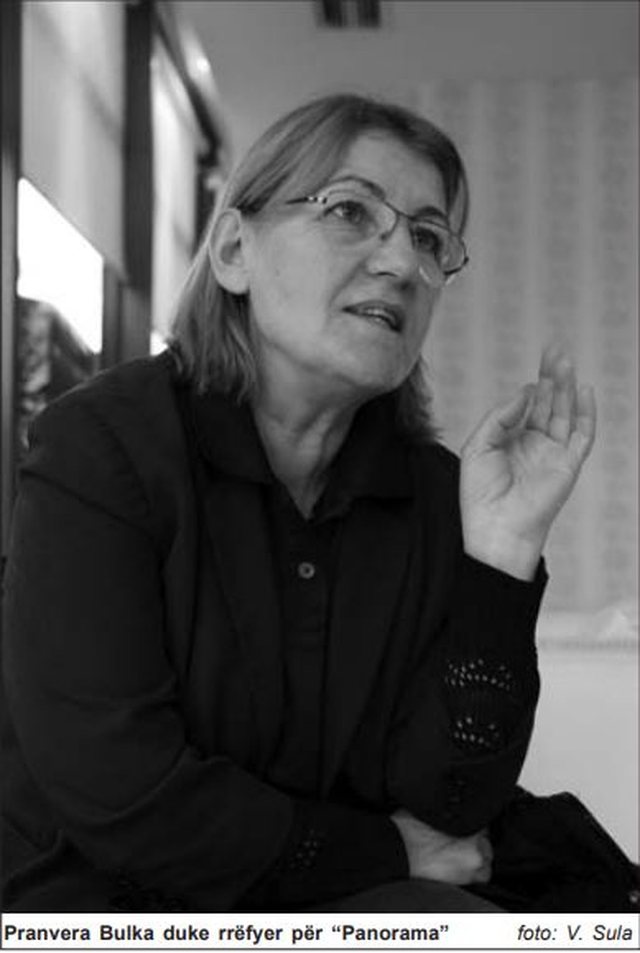
Përkthyesi që kishte pritur rastin t’i shpëtonte represionit të regjimit, më së fundi kishte tronditur opinionin me bëmat e diktatorit, të cilin, siç pretendonte, e kishte njohur nga afër. Pohimet e tij se Hoxha kishte qenë maniak i orgjive perverse, me një jetë jo normale dhe orientim të gabuar seksual, bënë xhiron e botës. Sakaq, Tirana zyrtare, e njohur rishtas me to, në pamundësi të reagonte ndaj autorit, filloi të hakmerrej siç dinte ajo me familjen e tij. Pranvera Bulka, motra e përkthyesit të arratisur, në një rrëfim për “Panorama” risjell historinë e Ilirit, duke u ndalur te përjetimet nga kontaktet me të huajt, dëshira për të ndjekur “Zërin e Amerikës”, hobi për të mësuar gjuhët e vendeve perëndimore, motivet që e shtynë për të braktisur Shqipërinë e deri te rikthimi në Tiranë…
Zonja Pranvera! Iliri, vëllai juaj i arratisur në vitin 1987, ka deklaruar për gazetat më të mëdha të Greqisë dhe Italisë se Enver Hoxha nuk ka qenë vetëm një diktator vrasës, por edhe njeri me orientim të gabuar seksual që ka pasur marrëdhënie me bashkëpunëtorët e afërt. Fliste për këtë me familjarët dhe shokët para se të arratisej?
Iliri u arratis se urrente regjimin, diktaturën. Ai kishte tentuar të kalonte kufirin qysh kur ishte gjimnazist te “Qemal Stafa”. Këtë e arsyetonte me mungesën e lirisë, varfërinë, trysninë politike, luftën e klasave, babëzinë e bllokmenëve, dhunën e policisë sekrete, izolimin. Jashtë telave me gjemba, thoshte shpesh me bindje, jetohet shumë herë më mirë. Në këtë kuptim, arratia e tij ishte diçka e paralajmëruar, së paku për ne. Paramendohej sakaq edhe mënyra si do reagonte përballë autoriteteve të huaja…
A kishte lidhje arratia e Ilirit me kushtet e jetesës dhe statusin politik të familjes?
Kjo nuk kishte të bënte fare me vendimin e Ilirit për t’u arratisur. Familja jonë ka qenë e lidhur me regjimin, madje prindërit ishin anëtarë partie. Krahasuar me të tjerët, ishim disi të privilegjuar. Me shtëpi te porta e Bllokut. Të shkolluar në degët më të preferuara. Të punësuar brenda unazës. Jetonim jo keq, po të kishe parasysh kufizimet e kohës. Ideja e Ilirit për t’u arratisur kishte të tjera motive. Ajo ishte e brendshme, pjesë e formimit të tij, e mospajtueshmërisë me realitetin. Kishte ndikuar për këtë rrethi shoqëror, por më së shumti pasioni për librat e huaj. Iliri zotëronte shumë mirë gjuhën angleze, italiane, franceze, rusishten etj.
Në intervistat e Ilirit pas momentit të arratisjes, mediat e huaja e identifikonin si përkthyesin e Enverit, madje si bashkëpunëtorë të afërt të tij. Çfarë kishte të vërtetë në këto pohime dhe a kishte lidhje puna që kryente me Hoxhën?
Menjëherë pas diplomimit në Universitetin e Tiranës, Iliri u emërua në ATSH. Aty punoi dhjetë vite në sektorin që përgatiste buletinin e axhanseve që u shkonin vetëm krerëve të lartë të regjimit. Ishte zgjedhur në këtë detyrë për rezultatet e larta në fakultet, por sidomos për garancitë politike të familjes. Në një farë mënyre, kjo ishte linja e vetme (nëse mund ta quajmë të tillë) e kontakteve të Ilirit me Hoxhën. Një kontakt jo i drejtpërdrejtë gjithsesi, por i përditshëm. Produkti i sektorit ku punonte Iliri, i shkonte Enverit dy herë në ditë.
Si funksiononte sektori i ATSH-së që prodhonte axhanse për Enverin dhe krerët e tjerë të regjimit?
Pak a shumë, ATSH-ja si institucion ka qenë kjo që është sot, me destinacion lajmet nga vendi dhe bota për konsum publik. Asokohe kishte një sektor të veçantë, që përzgjidhte nga informacionet mediatike për Shqipërinë, gjërat më kritike, më të nxehta, siç thuhej dhe me to përgatiste buletin special për udhëheqësit kryesorë. Pjesën më të rëndësishme të këtij të fundit e zinin lajmet e stacioneve BBC, “Zëri i Amerikës” dhe “Europa e Lirë” mbi zhvillimet në vendin tonë. Iliri ishte pjesë e grupit që merrej me përkthimin e tyre…
Me pak fjalë, Iliri i çonte Enverit lajmet që denonconin Enverin, regjimin, politikën e tij…
Ndoshta për këtë arsye mediat e huaja e identifikonin si përkthyesin dhe bashkëpunëtorin e tij. Iliri në fakt s’kishte pasur asnjë takim zyrtar me Hoxhën. Me përjashtim të kontakteve kur ishim komshi me familjen e tij, tjetër lidhje nuk kishte…
Pra, keni jetuar disa vite në Bllok, afër vilës së Enverit. Çfarë raportesh kishit me të dhe familjarët e tij?
Me të përballeshim çdo ditë kur hynte dhe dilte në banesë. Enveri dhe Nexhmija kur banonin te vila e vjetër, ishin mysafirët e parë që na uronin në familje Vitin e Ri. Babai dhe mamaja njiheshin me ta qysh nga vitet e luftës. Miqësia kishte arritur deri aty, sa unë dhe Iliri ishim pagëzuar me emrat e fëmijëve të tyre. Unë me emrin e Pranverës, vajzës së Enverit dhe Iliri me atë të djalit të madh. Në ato kushte, kjo nuk ishte pak. Atëherë, hyrje-daljet e çiftit Hoxha ishin privilegj, që nuk mund ta kishte shumëkush. Logjika e regjimit e përkthente këtë në shkallë të lartë besnikërie, që parakuptonte siguri e përfitime për të preferuarit e tyre…
Në këto rrethana, Iliri guxonte t’i kundërvihej regjimit, të ironizonte Enverin, të mendonte për t’u arratisur…
At first sight it seems paradoxical, but this is the truth. Iliri was a kind of self-made dissident. This profile was conceived in him since his early youth. When he found us at home watching the VAT news, he would turn off the TV with a strange rebellion. "You're still talking about Tirana", he would reproachfully tell us and immediately turn on the radio to "Voice of America". "You want the truth, listen to this!", he advised us with absolute certainty. "Voice of America" for him was the indisputable truth. "Don't die without speaking once about our Sultan's stupidity", he often said while disparaging Enver. "Voice of America" was his obsession...
Did he express himself like this only with his family members, or even with his friends?
With friends a little more. Apart from political considerations, he shared with them different approaches to lifestyle, art, music, and entertainment. Proponent of the Western model, Iliri left no room without scorning the regime's rants about communist morality, the new man, about "foreign shows", "bourgeois decadence" etc...
With which of his friends did he have such conversations?
At different times, there have been many eyes. When he worked at ATSH, he had Nuri Hamzarai, Agim Krajka's father-in-law, as his best friend, whom he highly valued. He talked to him freely, as we used to say then. He was older and more persistent in his dissidence with the regime. Later, he met and became friends with Agim Fagu, Medi Bushat, Luan Hajdaraga and others. He felt good in their company, he talked about everything, even about the escape. He didn't like it when they reprimanded him: Ilir, don't do that, because you'll end up in Spač! Iliri also had a special friend: Nonda Bulka, our uncle who loved him very much. He used to meet with him about different stories. Nonda had been a student with Hoxha in France and told him about his weaknesses. Enver was not interested in studies, he told her in good faith, but in orgies and nightclubs. For hours they lectured about the unknown profile of the dictator who was taken from us as an angel, but had been the devil himself...
Where was Iliri working when he escaped?
In 1980, Iliri ran away from ATSH and for some time settled in the Car Import Company. Later he went to the Ministry of Culture and Education, to the Olympic Sports Committee. There they activated it from time to time with the accompaniment of foreign tourists who came to Albania. He felt happy in this job, because, as he said, it allowed him to perfect the languages he knew and get to know the world beyond the barbed wire. Contacts with foreigners made him more rebellious and unrestrained. He began to speak openly, swearing out of place, anathema the figures of the regime. This kind of reaction, the unbridled divisiveness, began to catch the eye of the Security people. He was put on the list of suspects, as a contingent of the class enemy. This alarmed us as a family. The friends were so alarmed. His father, mother, other brother advised him. Medi Bushati called him shocked and expressed the danger that threatened him. Iliri listened, but did not react...


Gënjeshtarë,shpifëse,llumi i baltës në fytyrat tuaja..Ku e keni Shqipërinë sot o morracakë.Shqipëria e hajdutëve që pas 35 vjetësh gjoja demokratike, s'ka asgjë,as shtet ligjor,as rend publik,zero ushtri,as punësim,as industri,as sistem shëndetësor,as sistem arsimor.Ça dreqin ishte ky shtet ligjor pluralist gjoja demokratik, që atdheu braktiset nga rinia e njerëzit e ndershëm e të punës, kurse kastat e shohin atdheun si mall që duhet vjedhur,zhvatur ,keqpërdorur,si mall pa zot.Kjo që përjeton sot atdheu ynë është e tmerrshme... Turpi ju mbulofttë.Mashtrues..Për atë që ju e quani diktator, Shqipëria ishte gjithcka.Kurse për juve mall për t'a përdhunuar...
O Mjerim që të ka marr llumi. E kuptoj qe te vjen keq qe humbe 1000 lekshin si fuks lagjesh qe ke qenë. Enverit e ke te varrezat , çoji lule sa here te duash. Hajdutet e sotem i kemi dhuratë nga fossilet e regjimit te Enver b.q. Do ti vi ora edhe atyre.
Sa e turpshme ështe të baltoset figura e njeriut i cili ka ndërruar jetë, dhe nuk mbrohet dot . Fëlliqësira janë ata që skanë pasur bythe të ia thonë sa ka qenë gjalle edhe më keq ikin ne Greqi dhe njollosin figuren e tij në shtetin armik të shqiptarëve.
edhe sot ke n,qeveri punonjes n,administrad udhehqes te partise qe punojne nate e dite gju me gju me popullin
Keqardhje. Fuksat e regjimit jane bashkuar me patronazhistet. Vazhdoni germoni kockat e qenit (e h ) te varrezat i keni .
Enveri mbase kishte të gjitha të këqijat, por hajdut dhe homosexual nuk ishte….
Enver Hoxha ishte i përkushtuar gjatë gjithë jetës për PËRPARIMIN e Shqipërisë dhe të popullit shqiptar. Çdo gjë tjetër është shpifje për turpin e atyre, që shpifin.
Cili nga Ambasadoret e huaj futi hundet punet e brendshme te Shqiperise ne kohen e Xhaxhit?Ky bukeshkelur qe ka folur per Enverin u ka shprehur Grekeve pasionin e vete.