


 Shkruar nga Pamfleti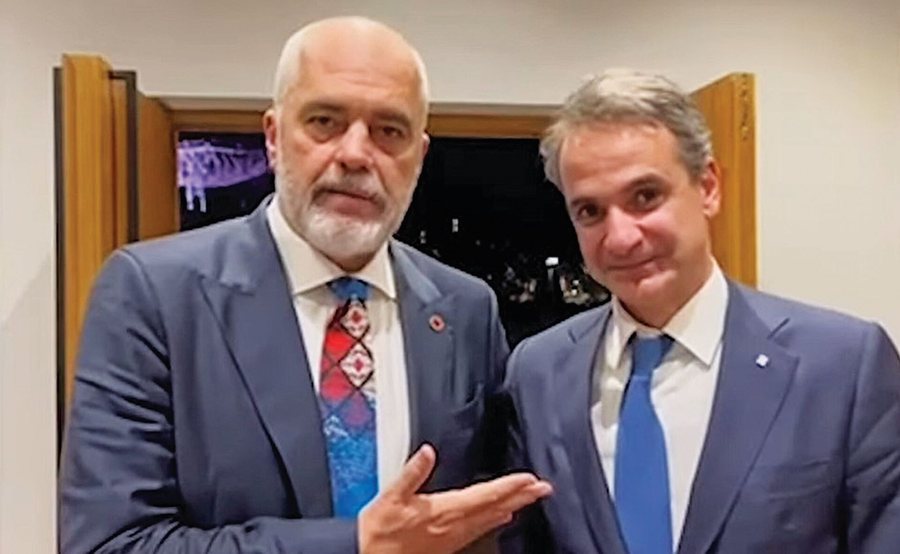
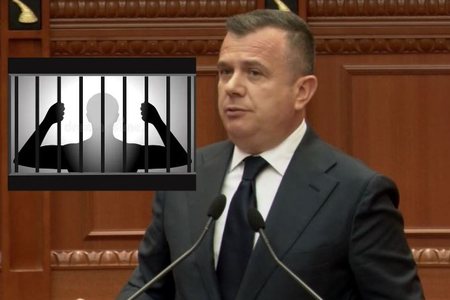
After the Special Court sentenced Fredi Beleri to 2 years in prison, Athens seems to have begun to withdraw from the blockade against Albania...
The Greek government has agreed not to hinder Albania's integration into the European family. This time, Greece decided not to use its veto for the Defense and Security Agreement between Albania and the EU, leaving Fredi Beleri in the dark.
Although Greece openly takes a position against the Rama government on the sentence of Beler, it decided to start the process for signing this agreement.
In the article written by the Greek media " AntiNews ", it is explained that the reason that Greece is no longer hindering the integration of Albania. According to the newspaper, it is the strong relationship that Rama has established with the White House and the EU, while it is noted that the EU is raising the Beleri case simply for verbal process. According to the newspaper, Greece has given up on the pressure as it seems to be failing.
Full article
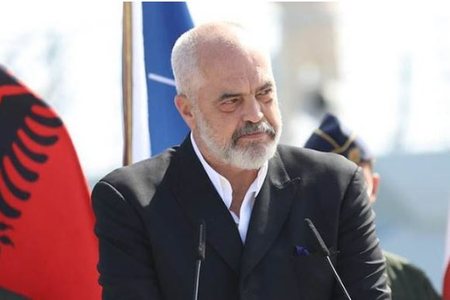
The Greek government, despite public declarations of an unwavering stance towards Albanian Prime Minister Edi Rama and amid rumors of the involvement of the Mayor of Himara Fredi Beleri in vote buying, agreed to start the process for signing a Defense and Security Agreement between the European Union and Tirana.
Internal discussions between the co-competent bodies of the EU started in January of this year, but a few days ago specific drafts of an agreement with Albania and other candidate countries of the Western Balkans were proposed.
According to authoritative Greek sources, the initial texts specifically include Albania in the broader objectives of the EU's "Strategic Compass", with the approval of Tirana's future participation in Political Missions and Military Operations of the Common Security and Defense Policy (CSDP). ). Particularly important is Albania's success in launching cooperation in cyber defense and dealing with hybrid threats, as these are areas with a privileged relationship of Tirana, only with the United States of America. In other words, we can observe the phenomenon that Washington treats the "Strategic Compass" and the EU's strategic autonomy in general with suspicion, but Mr. Rama manages to discuss the same issues and be accepted by both sides of the Atlantic.
After all, when in the initial phase of the Beleri crisis the Greek government requested an American intervention, it was found that the Albanian prime minister had strengthened his position in the White House and the State Department, because Mr. Rama had successfully projected the image of being the bulwark of Russian influence in the Western Balkans and the victim of hybrid attacks by Iranian and other terrorist organizations. At the same time, in recent months, the Albanian prime minister has also strengthened his ground in Brussels, or Athens believes - wrongly and with fear - that this has happened to a large extent. Because there is no other way to explain that, both on the political and diplomatic level, the Greek side sometimes does not raise the issue of Beler at all and sometimes suffices with a laconic information, without asking for direct help. The image, which is already being consolidated among EU officials. and the representatives of the remaining 26 member countries, is that the Beleri case was raised simply to be recorded in the minutes. Among other things, the Greek warning - repeated months ago - that "this is a serious issue that can affect bilateral relations and Tirana's European course" has been waived. Now it is only said that Albania must respect the principles of the rule of law during the trial of Mr. Beleris in the second degree.
At the same time, a new element in the Balkan developments is the proposal of former Foreign Minister Doras Bakojanis for Kosovo's membership in the Council of Europe. Although traditionally one hears a lot of exaggeration about Greek-Serbian friendship, today it is justified to wonder about the motives and goals of the strong blow that Athens gave to Belgrade. Some foreign diplomats estimate that "the former minister could not make such an important proposal without the knowledge of the prime minister". Also, they question whether the attitude of Mrs. Bakojanis is, firstly, part of a diplomatic opening towards the Albanian factor (despite the numerous disagreements between Mr. Rama and his Kosovar counterpart Albin Kurti) and secondly, a precursor to a change. in Greek politics in favor of full and official recognition of Kosovo.
For the moment, the Greek position has not changed and guarantees are given that the publicly known, multi-year "cooperative relations" with Pristina in economic and commercial matters continue. Of course, one would say that now Kosovo is probably less interested in formal recognition by Greece and more in initiatives similar to Ms. Bakojanis, as they bring a wider benefit.



Lini një Përgjigje