


 Shkruar nga Sokrat Shyti
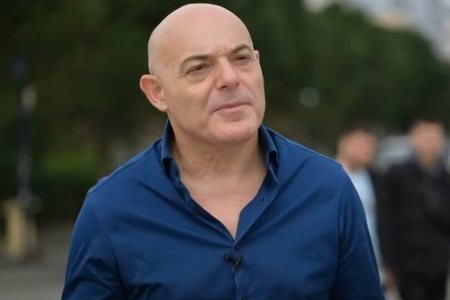
The writer Sokrat Shyti is the "great unknown" who for several years has shown the tip of the iceberg of his literary creativity. I say this based on the small number of his books published in recent years, mainly the voluminous novel "Ghost Night" (Tirana 2014). The novels: “Beyond the Mystery”, “Between Temptation and the Vortex”, “The Erosions of the Nightmare”, “The Shadow of the Body and Death”, “The Colonel Kryedjak”, “The Hopes of the Dead”, “The Confusions of Fate” I, II, “Survival in the Cow Shed”, as well as other works, all novels, with 350 – 550 pages, are in manuscripts waiting to be published. The dreams and initial momentum of the young novelist, who returned from his studies abroad full of energy and love for art and literature, were cut short early on by the cruel blade of the communist dictatorship.
Who is Socrates Shyti?
Returning from his studies at Moscow State University, immediately after the break in Albanian-Soviet relations in 1960, Sokrat Shyti works at Radio-diffusion (which was then located on Kavaja Street), in an editorial office with his journalist friends – Vangjel Lezho and Fadil Kokomani – both of whom were later arrested and later shot by the communist regime. In addition to Radio, the 21-year-old Sokrat, if we imagine him, has passionate literary interests at the time. He writes his first novel “Madam Doctor” and is on the verge of publication, but… alas! Immediately after the arrest of his friends, as if to top it off, a brother of his, a painter, flees abroad.
Socrates was arrested in September 1963, and in November of that year, he and his family were interned (with his mother and younger sister) in a place between Ardenica and Kolonja e Lushnja. For 27 years, the family lived in a cowshed with reeds, without windows, while Socrates was subjected to forced labor. Throughout the 27 years, he was legally forced to appear three times a day, to the local governor. He had no right to move from the place of internment, he was deprived of any kind of document, etc. In these conditions, in the middle of a cowshed, he gave birth to and raised his children. It was precisely on this event, or rather a very long history of persecution, that he based his book “Survival in the Cowshed”!
Agron Tufa
Excerpt from the book "Survival in the Cowshed"
The next day, before the morning light had fully dawned, the order of the General Command arrived in the division in encrypted code: "The approved NBU soldiers are to depart for the new location, in the hills of the village of Hamallaj in Sukthi, accompanied by the officers in charge"!
The captain's cry, like a madman's scream, shook every pore of our bodies, down to the marrow! We jumped out of bed in fear, convinced that "Red" had been gripped by the fury of revenge, so he wanted to play with our nerves one last time, forcing us to crawl away, so that when we leave here, the silhouette of the torturer will remain in our trembling imagination, and our minds will finally be filled with the fact that this being was not born from a woman's womb, but came out of the waters of the Red Sea!...
However, this time the line up in front of the bed had nothing to do with the usual training, as the first cry was not accompanied by the subsequent screaming commands, and surprisingly, a deep silence settled in! After a while, instead of the screaming sobs, we heard the soft voice of the sector chief, who told us to make the bed, take care of your personal needs, prepare your backpack, eat breakfast, and immediately line up in front of the dormitory, where you will get into the cars, to go where the Homeland calls us.
We set to work diligently, carrying out the orders of the sector chief, now excited, without the initial fear, because instead of the threatening nightmare, we were overwhelmed with the intoxicating pleasure of the transfer.
Although none of us knew where we were going, each of us believed in the hope that we would emerge onto dry land and breathe freely. First of all, we were sure that nowhere would there be another creature as terrifying as the scythian captain. And just as important: many of the soldiers were convinced that in the new unit, they would not be called new recruits, but with two-month experience, which meant that the quarantine was over, and that its cycle would not be repeated.
Consequently, soldiers are given the right to leave. And if luck helps, the unit's base is located right next to the road, a twenty-four-hour leave is enough to go home to the family for a while! This possibility is a radical change, compared to the life here, isolated as in a concentration camp, where at most the dream extended to going to Burrel!
When we were waiting in line for the command for further action, I noticed the company commissar, who approached a small officer, to say something to him. Perhaps he was giving him an order to keep in mind, or clarifying something. But after a while the officer's gaze was fixed on my portrait, and I realized that their conversation was mainly about me. And so it turned out: the commissar motioned for me to go to them.
– “This will be your new commander,” the commissioner explained.
– "Since you are both almost the same age, I believe you will understand each other very quickly. For your information: I expressed the opinion that you should be his right-hand man, in the role of deputy, to carry out the duties of commissioner."
Because in the new structure, there is no officer, salaried company commissar in the organizational chart. Therefore, this task is performed by an educated soldier, like your job."
– “Ju falënderoj për vlerësimin dhe besimin tuaj, shoku komisar! Gjithashtu ju falënderoj dhe ju, shoku komandant, që pranuat propozimin e komisarit tonë të nderuar, me të cilin punuam bashkë me frymë të plotë mirëkuptimi”! – ju drejtova oficerit shtat imët.
Pranë nesh u afrua kolonel Josifi, për t’i thënë komisarit të mbante fjalën e përshëndetjes, pasi erdhi çasti i nisjes. Oficerët u vendosën para ushtarëve, sipas gradave e rangut. Komisari kroi zërin dhe ia nisi ligjëratës së zakonshme, duke përsëritur disa herë togfjalëshit: “Partia jonë e lavdishme”, “Shoku Enver”, “Vigjilence revolucionare”, “Hedhim valle ne gojën e ujkut”, “Jetojmë e stërvitemi si në rrethim”. “Ata na kthejnë pushkën, ne i kemi në grykën e topit”, etj. Në fund shprehu besimin e organizatës së partisë dhe komandës së repartit, se ushtarët e NBU-së, do ta kryejnë me nder detyrën, që i ngarkon Atdheu, si ushtarë efektivë në strukturën e rregullt të Forcave të Armatosura.
Pas fjalës përshëndetëse të komisarit, filloi hipja e ushtarëve në kamionët e mbuluar, duke u ulur në stolat prej dërrase, sipas rreshtimit të listës.
– “Po emri im, pse nuk u thirr”?!… – pyeta unë i shqetësuar komisarin.
– “Ti je krahu i djathtë i komandantit, do ulesh në kabinë bashkë me oficerin shoqërues”, – ma ktheu me njëfarë krenarie komisari, njësoj sikur të thoshte: “A e sheh sa largpamës e me peshë jemi ne ndihmësit besnike të Partisë”?!
Dy makinat ushtarake u nisën, morën drejtimin tek postblloku, ku po priste komandant Sula, të më shtrëngonte dorën.– “Sa herë të shikosh fotografitë, ku kemi dalë, do të kujtohen bashkëbisedimet tona”, – tha ai me buzëqeshjen e ndarjes.
Makinat vazhduan më tej ecjen e ngadaltë deri në kthesën me xhadenë. Pastaj morën shpejtësinë e duhur, sipas rregullores. Prapa nesh mbetën mjegulla e dendur, baraka e dërrasës si ahur kuajsh, kodrat me dhe të kuq dhe klithmat çjerrëse të kapterit, që na rrëqethnin mishin e na kallnin datën!
Gjatë rrugës, oficeri shoqërues, komandant Aliu, deshi të shuante kureshtjen kryesore: si ndodhi që një gazetar kryen shërbimin ushtarak në një ndërmarrje bujqësore, kur ndërkohë ndjehet si asnjëherë më parë, nevoja për komisar, për faktin se këta oficerë duhet të kenë përgatitje të gjithanshme politike: përveç arsimimit ushtarak, duhet detyrimisht të kenë mbaruar shkollën e lartë të partisë.
– “Apo për rastin tënd si kusht, ka shërbyer kufiri fundor i moshës”? – shtoi ai në fund.
– “Varet si e kanë parë ata të Degës Ushtarake”, – ia ktheva unë, duke dashur të mbyllej me kaq kureshtja e tij.
– “Megjithatë, pavarësisht pse ju morën ushtar në këtë repart, më erdhi mirë që drejtuesit e NBU-së, të vlerësuan”! – shprehu togeri pëlqimin e tij.
– “E dini pse erdhi ky vlerësim? – iu drejtova togerit shtat imët. – Sepse repartin ushtarak e drejton një oficer madhor me përgatitje të lartë, që ka mbaruar akademinë në Moskë, dhe me shembullin e tij personal, rrezaton edukatë tek të gjithë vartësit. Besoj duhet të keni vënë re brenda kësaj kohe, që ndenjët në NBU, se çfarë kompaktësie kishte midis oficerëve të repartit, sa të sjellshëm e të njerëzishëm ishin! Këto marrëdhënie u krijuan falë shembullit personal dhe edukatës së kolonelit. Do dëshiroja shumë të gjejmë po të njëjtën gjendje në repartin e ri, ku do shkojmë…! Kjo ka rëndësi sidomos për ju, oficerët e rinj të karrierës”.
– “Duke qenë formacione të rinj, as ne nuk e dimë cilët do jenë eprorët tanë – tha togeri. – Por një shok në shtabin e FUD-it, përmendi emrin e komisarit të regjimentit, me gradën kolonel, që ka mbaruar shkollën e lartë të partisë”.
– “Prejardhjen familjare, nga e keni shoku toger”? – e pyeta unë për të mos e trashur bisedën me hollësira ushtarake.
– “Nga Kuçi i Kurveleshit. Jemi familje blegtorale, rritim e mbarështojmë kryesisht dhi, pasi kullotat janë të përshtatshme. Zakonisht nga fshatrat tonë, dërgohen shume djem në Shkollën e Bashkuar Ushtarake”.
– “Po sikur t’ju pyesnin çfarë dëshire keni, ju cilën degë do zgjidhnit”?
– “Më pëlqen mësuesia”! – u përgjigj menjëherë togeri.
– “Kjo do të thotë se i doni fëmijët dhe do jeni baba i kujdesshëm në familjen tuaj”, – shtova unë.
– “Jeni i fejuar”? – më pyeti ai.
– “Para dy muajve u fejova”.
– “Sa keq të paska rastisur: menjëherë pas fejesës të morën ushtar!… – Pse ndodhi kështu? T’ju kishin lënë të paktën dy tre muaj…”?!
– “Por edhe po të më linin, do ngrihesha tani me mobilizimin e përgjithshëm”, – i thash unë për të shmangur kureshtjen.
– “Në qoftë se vendosemi në fshatin Hamallaj të Sukthit, them se do jemi mirë”, – shprehu ai mendimin e tij. – “Domethënë e njihni këtë fshat”? – e pyeta unë.
– “Në fakt fshati shtrihet më poshtë, pranë bregdetit. Kurse ne do vendosemi tek kodrat. I kam bredhur të gjitha në këmbë. Janë kodra të buta e të bukura, me vreshta. Mes tyre ka patur repart të rregullt ushtarak. Kështu që janë ndërtesa e fjetjes me krevatet marinar, kuzhina me pajisjet e saja, ka ujë për të gatuar e pirë, gjendet depo e ushqimeve”.
– “Kjo qenka e mrekullueshme”! – shpreha kënaqësinë time.
– “Duhet ta fiksosh: kompaninë do ta drejtojmë e administrojmë të dy bashkë – theksoi togeri. – Unë nga ana ushtarake, kurse ti do bësh orën politike dhe do merresh me anën ekonomike”.
– “Domethënë do kryej çerek detyre komisari dhe detyrën e plotë të magazinierit”?…
– “Si detyrë tepër e ngutshme për ne, paraqitet gjetja e një kuzhinieri – tha togeri. – E ke dëgjuar shprehjen; ‘me forcat tona’? Që duhet kuptuar: vetëm i zoti e nxjerr gomarin nga balta”?
– “E kam një ide në kokë, por nuk jam i sigurt: më duket se dje shefi i sektorit interesohej të dinte, nëse në listën përfundimtare gjendej emri i një ushtari, të cilin ky e kishte për zemër. Kur e pyeta komandant Sulën, pse ky interesim, ky u përgjigj: ushtari në fjalë ka punuar si kuzhinier në Turizmin e Peshkopisë, ndaj shefi s’do ta largojë prej këtu, pa marrë pëlqimin e tij. Mirëpo ushtari e mori vesh ndërhyrjen e shefit të sektorit dhe shkoi drejt tek koloneli, duke iu lutur këtij të transferohet, me shpjegimin se në repartin e ri, ndjehet patjetër nevoja e kuzhinierit, ndërsa këtu ai nuk e ushtron profesionin e tij. Në qoftë se koloneli e ka pranuar këtë kërkesë, them se e kemi zgjidhur këtë problem të rëndësishmesh. Ja ku e ke listën e ushtarëve. Hidhi një sy mos gjen emrin e tij”, – shtoi togeri me ton pritës.
– “Jemi me fat: ndodhet në makinën tonë”! – thash unë i kënaqur.
– “Meqë problemit më të vështirë ia gjetëm zgjidhjen, le të shfrytëzojmë kohën për ndarjen e detyrave: Sapo të mbërrijmë në repart, do sistemojmë ushtarët në fjetore, sipas listës, që secili të merret me dyshekët e batanijet, dhe të pastrohet mjedisi rrënjësisht jashtë e brenda. Në vazhdim disa ushtarë do caktohen të merren me larjen e shpëlarjen e enëve të kuzhinës, dhe mbushjen e ujit.
Disa të tjerë me pastrimin e banjave. Pjesa që mbetet me pastrimin e territorit, që çdo gjë rreth e qark të shndrisë, pasi pritet të vijnë krejt befas për inspektim, oficerët e FUD-it për të parë si jemi sistemuar. Neve na takon të kryejmë të gjitha punët e këtushme, për të patur për vete kushte sa më të mira. Qe kur të mbërrijnë vëzhguesit, të mos na bëjnë asnjë vërejtje, dhe ne të kemi gojë të interesohemi për furnizimin me ushqime e, për çdo kërkesë tjetër. Kuptohet, njëri nga ne të dy, ti ose unë, do shkojmë në depon qendrore të FUD-it, për të tërhequr bazën e nevojshme…”!
– “Në fillim u takon juve të shkoni, shoku komandant, si oficer dhe drejtues i kompanisë, duke patur parasysh që firma juaj duhet të depozitohet. Disa dite më vonë, pas sistemimit, kur të jem pajisur me autorizim të posaçëm nga komanda e regjimentit, do merrem unë me angaritë e furnizimit, ndërsa ju do përmbushni programin e stërvitjes me ushtarët.
– “Me të mbërritur këtu komisari i regjimentit, para së gjithash do bisedojmë bashkërisht, si do organizohet puna politike, që të mos na dalin keqkuptime nesër. Dhe nesër, në qoftë se rastis të zihen ngushtë drejtuesit e regjimentit, nga shefat e FUD-it, të mos na e hedhin neve fajin, pse nuk jemi interesuar, – tha komandant Aliu. – Me këtë rast, komisari i regjimentit jep dhe miratimin për ty, të dorëzon tematikën e çdo dite të punës politike, fletoren e konspekteve, që të pasqyrosh çështjet dhe pikat kryesore, tamam si veprojnë mësuesit”.
– “Sipas jush, shoku komandant, komisari nuk do shfaqi mëdyshje rreth caktimit tim në rolin e drejtuesit të punës politike”? – e pyeta unë.
– “Doubt?!…On the contrary, he will congratulate me, for giving him this perfect solution. We have been blessed with a wonderful fortune, that we have in our ranks a journalist from the Central Radio, moreover the host of the youth program! You know from me: as soon as the FUD people find out, they will be furious”!…
– “In what sense?” – I asked.
– “They will pull you to the Officers' House, to the villa of the former King Zog, in Durrës, and will engage you with various tasks. First of all, according to my guess, they will ask you to do reports about the Armed Naval Forces, where you will describe the enthusiasm and revolutionary readiness, that we are a granite rock on the coasts of the Adriatic and Ionian Sea”! – said Commander Aliu in one breath, convinced that this would happen.
Without even spending two days in the beautiful hills of the village of Hamallaj (where I felt as if I had come to a holiday camp amidst clean air, vineyards, abundant water, and deep tranquility, without annoying harassment and unrest, and especially without the terrible cries of the sykuq captain), they radioed Commander Ali to report to the FUD command.
Despite the fact that the lieutenant remained one thousand percent loyal to his opinion, that if he were called to engage in important tasks, as he had predicted, I was confused by the terrifying suspicion, that the ill-wishers had raised the alarm, setting in motion the mechanism of the Security, setting a trap for me so that, as soon as I arrived there, they would handcuff me, with the serious accusation that I had deceived the officers of the People's Army, I had appeared before them dressed in the skin of a journalist, hiding today's reality!
After two hours of radio notification, I noticed a Chinese “Gaz”-69, the color of sunflower oil, winding its way through the vineyards, which made me shiver, because it reminded me of the “Gaz”-69 of that evening, when they arrested Fadil Kokomani in the dark alley in front of the four-story Radio building. But I gave myself courage and heart, reasoning that the scary suspicion should remain a suspicion, maybe the military “Jeep” has nothing to do with me at all, it is only coming for inspection. So I told Lieutenant Ali to stay ready and waiting.
He asked me, quite worried, if the company officer was present there, perhaps some crazy person had run off to the village to buy something at the store. This question multiplied our internal excitement, since at that moment it seemed completely impossible to be 100% certain of the officer's presence.
My first suspicion went to soldier Halimi, a large man from the village of Grabian, who was almost alone in his free time, and during these two days, I had noticed that he was suffering from a pronounced physical weakness, because not only did he walk slowly, like helpless people who have been sick, but even ten rations were not enough to satisfy him! Memorie.al



Lini një Përgjigje