


 Shkruar nga Pamfleti

The Basha-Agolli duo, through the Atom company and through a fraud scheme with the fulfillment of criteria and the implementation of contracts, have created a tender monopoly with a shadow of corruption in the IT field that seems to extend from OSHEE, AKSHI to SPAK itself, the institution entrusted with the fight against corruption and crime.
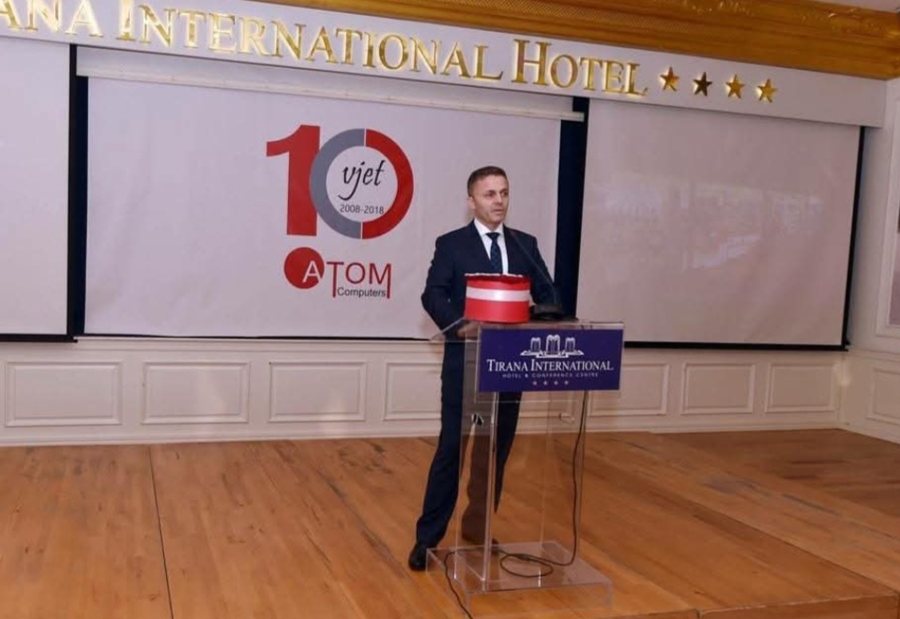
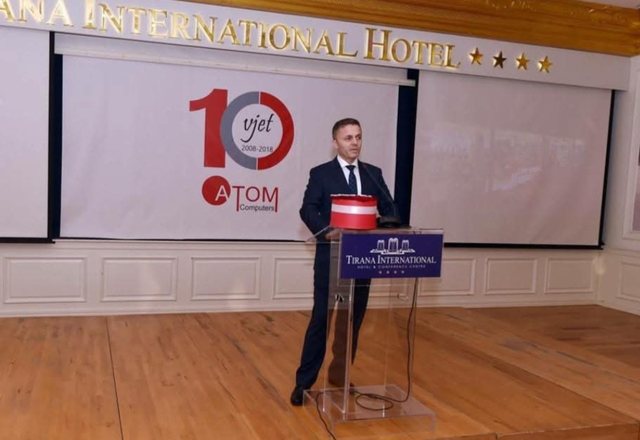
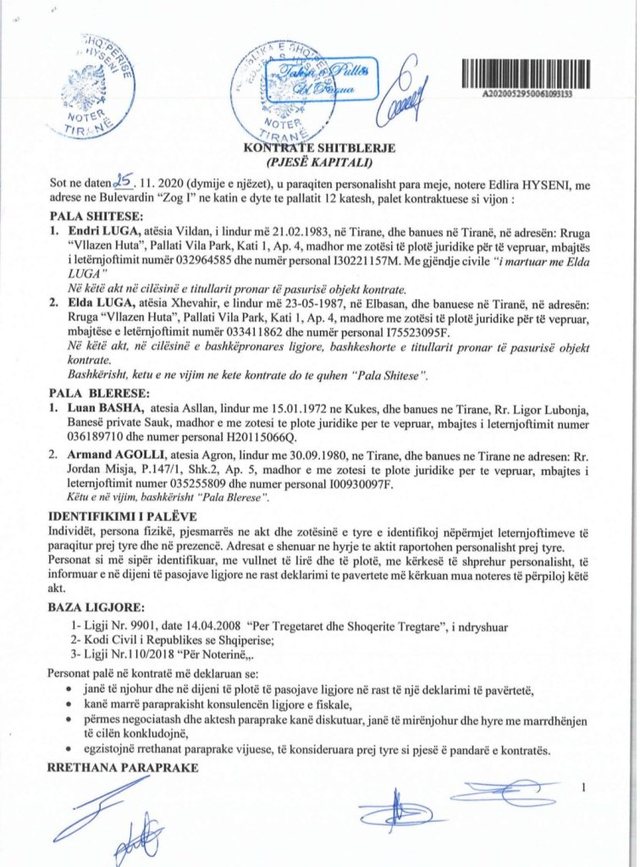
Luan Basha, 54 years old, is a co-owner and administrator of the company Atom shpk, whose business activities include construction of telecommunications networks, provision of telecommunications services, sale of household appliances, etc. The other co-owner is Armand Agolli.
The Basha-Agolli duo, through the Atom company and through a fraud scheme with the fulfillment of criteria and the implementation of contracts, have created a tender monopoly with a shadow of corruption in the IT field that seems to extend from OSHEE, AKSHI to SPAK itself, the institution entrusted with the fight against corruption and crime.
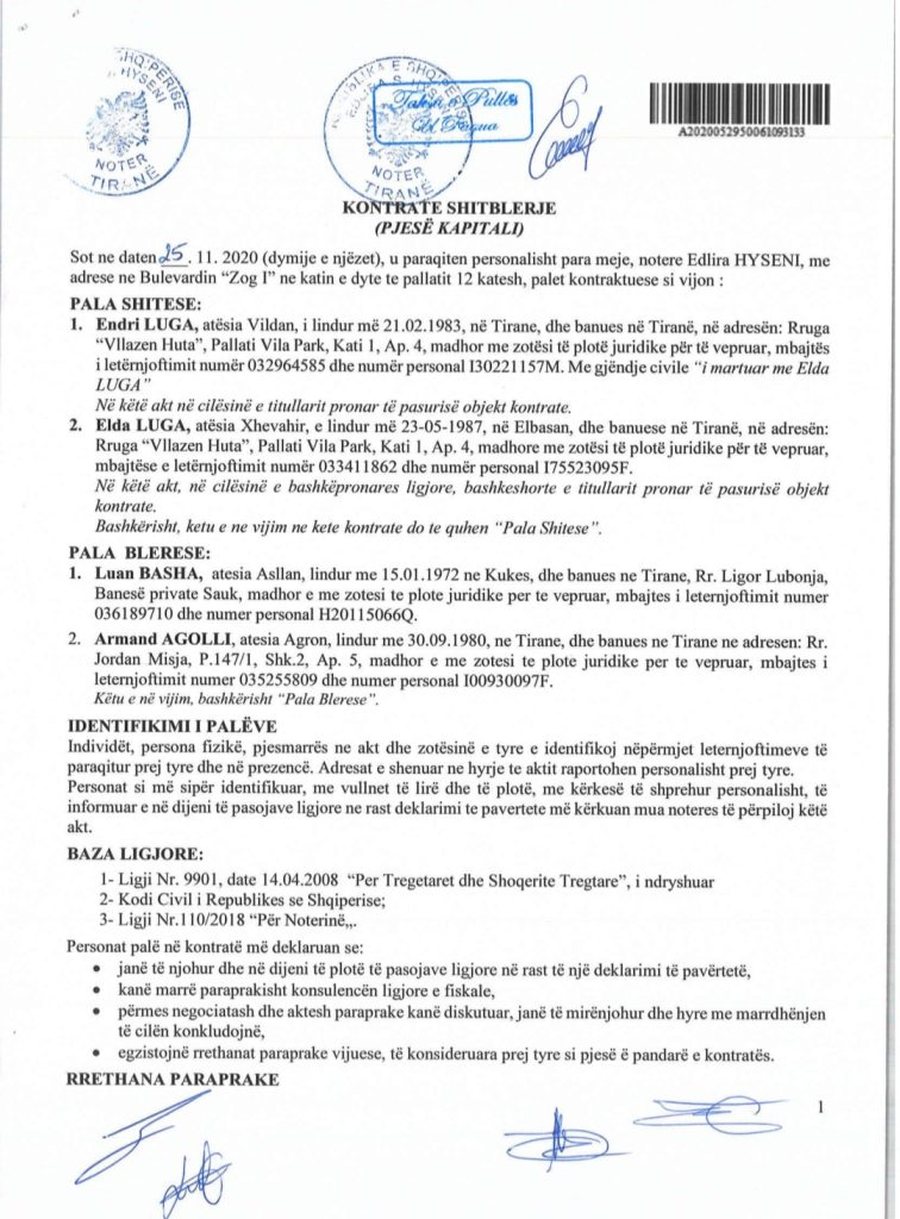
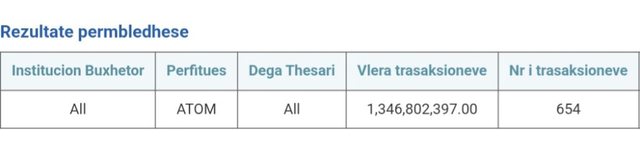
Since 2020, when Luan Basha and Armand Agolli took possession of 100% of the shares, the Atom company has received over 13 million euros from the state budget, through clientelistic tenders, false documents and fraud in the implementation of contracts concluded with contracting authorities such as AKSHI, OSHEE, OST, SPAK, Port of Durrës, UKT, Railways, etc.
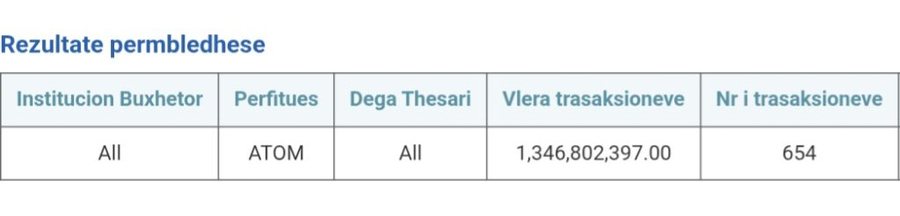
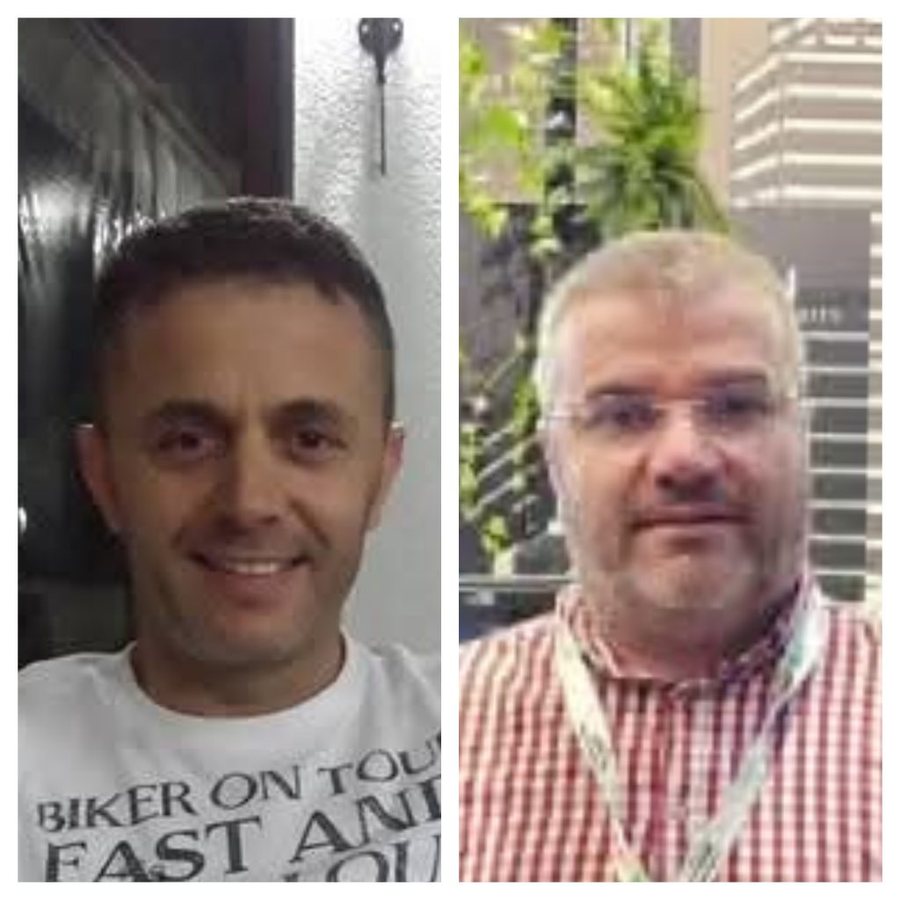
According to the complaints and information collected, the case of the ATOM company does not simply represent a procedural violation in public tenders, but a suspected systematic abuse scheme that has affected key state institutions and put data security and public trust at risk.
ATOM is suspected of having benefited from millions of euros of public funds by selling remanufactured (i.e. used) IT equipment as new, in direct violation of contractual terms. These devices are not simply commercial goods, but critical infrastructure on which state registries, security systems and sensitive citizen data rely.
The most significant case is the “Improvement of the National Address Register” for the DPGJC, worth 164 million lek, where 40 million lek were paid only for hardware, which was allegedly not new. Also, three procedures won in SPAK, worth about 1.2 million euros, are related to vital security systems such as anti-ransomware, EDR, firewall and network monitoring. If these systems are built on used equipment, then the risk is not theoretical, but real.
The situation is made even more alarming by the fact that ATOM does not meet the mandatory security criteria, specifically the lack of CSP certification, which is a basic condition for access to high-security data centers, such as those of SPAK and AKSHI. However, despite this essential fact, the company has qualified and been declared the winner.
In this process, Ardi Sulo, as a member of the Bid Evaluation Committee (KVO), is suspected of having participated in the illegal qualification of ATOM, by signing or supporting decisions that allowed for the exclusion of the law and favoring an operator that did not meet the criteria. This shifts the issue from a technical problem to personal and institutional responsibility.
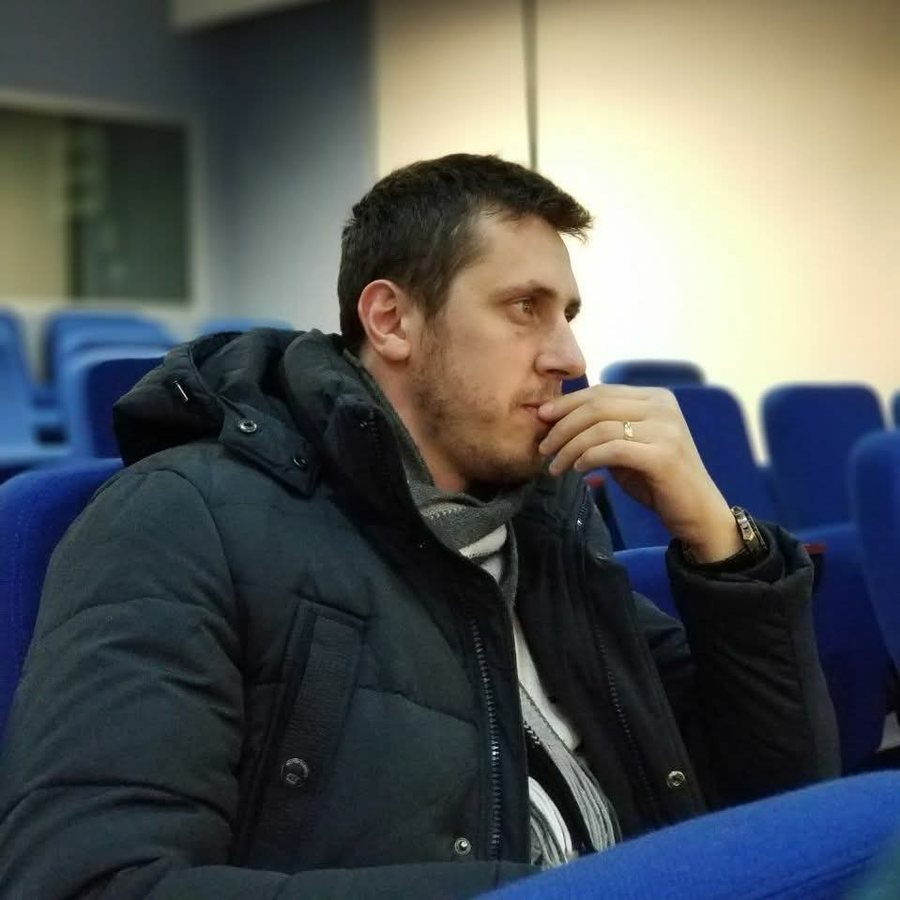
Ardi Sulo is under investigation by SPAK for manipulation of tender processes, corruption, abuse of office, money laundering and violation of equality in tenders as part of the crackdown on the AKSHI criminal group. Suspected of being part of the criminal group that was cracked down on a few weeks ago, Sulo's decision-making as a member of the KVO is being investigated by BKH agents.
According to sources, Sulo and another member of the KVO, who we will talk about below, have compromising communications and meetings with Luan Basha and other extortionists of public money, with the aim of manipulating the tender procedures of the AKSHI. In addition to the director Mirinda Kaçanaj arrested by SPAK, her deputy, Romina Kostani, is also suspected of being part of the corrupt scheme, and it seems that she will soon end up in the Pogradec prison.
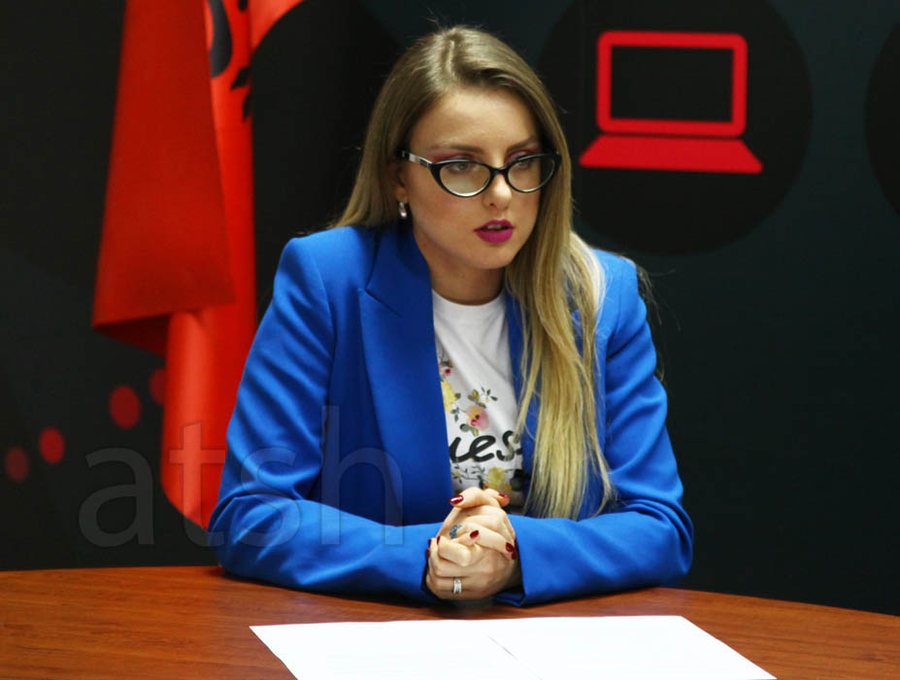
Focusing on the scandal in question with Luan Basha's Atom company, the scheme is further deepened by suspicions of forgery of diplomas and certifications, as the staff presented as technicians turn out to be graduates of Kristal University, an institution that has lost its license since 2014. Meanwhile, the professional certifications, which should guarantee real competence, appear almost all in the name of a single person, Luan Basha, and his wife, raising serious suspicions of false representation of human capacities.
In this context, the data leak from SPAK takes on an even greater weight. If the systems were built, maintained, and administered by an operator suspected of fraud and lack of security criteria, then the institutional silence is as concerning as the violations themselves.
This case is not just about numbers, tenders or documents. It is about state security, the protection of citizens' data and the degradation of public standards, making an in-depth criminal and administrative investigation, with concrete and individual responsibility, necessary and urgent. Continued…/ Behind the scenes







Lini një Përgjigje