


 Shkruar nga Pamfleti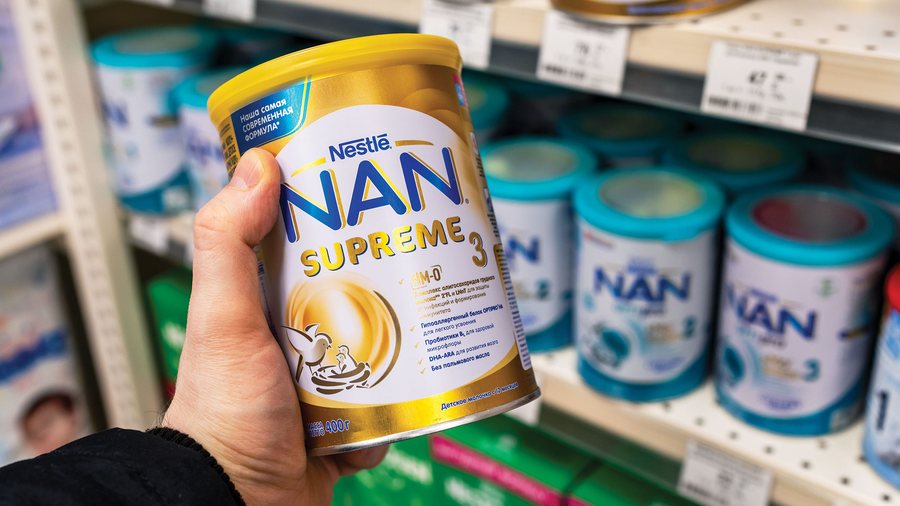
The toxin traced to the Wuhan lab has led to product recalls and a growing crisis for consumer groups...
Infant formula manufacturers such as Nestlé, Danone and Lactalis are facing a growing backlash after an ingredient they sourced from a single supplier in China was contaminated with a dangerous toxin, endangering the health of babies around the world.
The ingredient, arachidonic acid-rich oil (ARA), which was exposed to a toxin called cereulide, was obtained from a laboratory in Wuhan. It was added to hundreds of infant formula product lines before being shipped to more than 65 countries on five continents.
The crisis has sparked an outcry from consumer rights groups and public health charities, who are calling for stricter controls on the sector, arguing that manufacturers have compromised the safety of babies in the pursuit of profits.
“Commercial infant formula is produced through a profit-driven supply chain and companies are under pressure to source ingredients at low cost. This means that microbial contamination of an ingredient from a single source can cause contamination on a global scale,” said Rachel Childs, senior nutritionist at the charity First Steps Nutrition Trust.
The formula industry is dominated by a small number of companies, including Nestlé and Danone, as well as US groups Abbott Laboratories and Mead Johnson, owned by Reckitt. It has drawn intense regulatory scrutiny over the past five years after widespread shortages, price hikes and other recalls.
The ingredient at the root of the recent crisis has reignited debate over the increasingly complex composition of infant formulas and how they are marketed, as companies compete to win the loyalty of parents amid falling birth rates.
The contamination originated at a facility owned by Shanghai-listed biotechnology company Cabio Biotech, according to people familiar with the matter. The company produces ARA oil, which is designed to mimic a fatty acid found in human milk, from fermented mushrooms.
The company said it was formed as a joint venture with U.S. commodities trading house Cargill until 2012, when the latter pulled out. A person familiar with the matter said Cargill still distributed the product but no longer manufactured it. Cabio Biotech’s share price has fallen by almost 19 percent in the past month. The company did not respond to requests for comment.
Investors have been spooked by the prospect of reputational damage the scandal could cause to brands. The world's largest formula maker, Nestlé, has seen its share price fall by almost 4% in the year to date, while Danone has fallen by more than 13% in the same period. Barclays analyst Warren Ackerman said the infant formula industry had been shaped by a series of contamination crises, from the melamine scandal in China in 2008 to the Cronobacter outbreak in the US in 2022.
“Parents tend to switch brands first and ask questions later. The loss of trust can take longer than the return to the market itself, leading to structural erosion of market share, brand damage and strategic exit ,” he said.
Throughout January, three formula manufacturers were forced to recall products that may have been contaminated with cereulide, which causes vomiting and diarrhea. France has opened an investigation into the deaths of two infants who consumed the contaminated milk, although no causal link has yet been established.
The European Food Safety Authority (EFSA) announced on Wednesday that it was updating its scientific advice on cereulidin, which will set a threshold for a safe amount of the toxin before a recall would have to be triggered. There is currently no established safe level.
European consumer protection group Foodwatch filed legal action in France on Thursday against Nestlé and other companies involved, as well as against European authorities for failing to inform consumers about the contamination in a timely manner.
" Infant formula manufacturers are legally obligated to guarantee the safety of the products they put on the market. The companies we are targeting have demonstrated appalling negligence ," said Ingrid Kragl, director of public information at Foodwatch.
Nestlé informed Dutch authorities on December 10 that it had discovered contamination during internal testing at one of its factories in the Netherlands. The company spent weeks testing ingredients before identifying ARA oil as the source of the contamination. On January 5, the company began its recalls.
Companies largely run their own internal quality and microbiology testing regimes. But analysts, as well as NGOs, argue that the complexity of ingredients and supply chains means their testing protocols can fall short.
“Given the risk profile and regulatory scrutiny, I strongly believe that manufacturers should, and in fact should, further outsource some of their quality control and testing, especially for highly sensitive ingredients and products,” said Vontobel analyst Jean-Philippe Bertschy.
Një zëdhënës tha se Nestlé ishte kompania e parë që zbuloi problemin dhe se kishte vepruar shpejt për të njoftuar autoritetet, për të njoftuar në mënyrë proaktive industrinë dhe për të informuar klientët, partnerët dhe më e rëndësishmja konsumatorët.
“Lactalis zbaton protokolle të rrepta të cilësisë dhe sigurisë ushqimore. Toksina cereulide nuk është përfshirë në listën e kontrolleve rregullatore të kërkuara për produktet për foshnje, gjë që shpjegon pse nuk u identifikua gjatë analizave të kryera”, tha një zëdhënës i Lactalis.
Danone nuk pranoi të komentojë.
Vaji ARA në qendër të skandalit ka ngjallur shqetësime të vjetra në lidhje me mënyrën se si po zhvillohet industria e formulës për foshnje. Për të ofruar formulat më inovative, dhe të shtrenjta, të cilat kompanitë po shtojnë një listë gjithnjë e në rritje përbërësish për t'i bërë ato të ngjajnë më shumë me qumështin e njeriut.
Inovacionet përfshijnë shtimin e suplementeve të tilla si vitaminat, prebiotikët e quajtur oligosakaride të qumështit të njeriut (HMO) për të përmirësuar shëndetin e zorrëve, si dhe ARA për të përmirësuar funksionin e trurit të foshnjave dhe zhvillimin imunitar. Por studiuesit debatojnë mbi efikasitetin e këtyre suplementeve.
“Kompanitë bëjnë pretendime për forcimin e imunitetit, ato nxjerrin përfundime për zhvillim të përmirësuar të trurit, të gjitha këto i bëjnë thirrje dëshirës së një familjeje për t'u dhënë fëmijëve të tyre më të mirën... Megjithatë, asnjë nga studimet krahasuese nuk ka treguar dallime klinike në zhvillimin intelektual ose në imunitet... Qumështi i nënës dhe ushqyerja me gji bashkëveprojnë me të gjithë sistemin biologjik. Nuk janë vetëm përbërës të shtuar”, tha Nigel Rollins, profesor i shëndetit të nënës dhe fëmijës në Universitetin Queen's në Belfast.
Sipas kodit të standardeve ushqimore Codex Alimentarius të përcaktuar nga organet e OKB-së për formulën e foshnjave, të gjitha kompanitë duhet të përmbushin të njëjtën përmbajtje ushqyese për të gjitha produktet. Çdo gjë që shtohet përtej kësaj liste, përfshirë ARA-në, është opsionale.
Ndërsa zinxhirët e furnizimit me formulë bëhen më komplekse, grupet e fushatave, përfshirë Rrjetin Ndërkombëtar të Veprimit për Ushqimin e Foshnjave, po i bëjnë thirrje Organizatës Botërore të Shëndetësisë të përditësojë standardet, duke përfshirë paralajmërimin e prindërve për rrezikun e kontaminimit gjatë procesit të prodhimit, jo vetëm në përgatitjen e formulës në shtëpi.
Një hetim i kohëve të fundit nga organi mbikëqyrës i konkurrencës në Mbretërinë e Bashkuar arriti në përfundimin se prodhuesit po vendosnin çmime “mbi parashikimet” për formulën e foshnjave. Ndër gjetjet e tij ishte se përbërësit e papërpunuar në linjat e produkteve premium nuk kushtonin më shumë se ato në produktet standarde.
"The majority of responses to our interim report... said that the nutritional composition of these products does not currently change in any significant way. Submissions to the contrary were mainly from manufacturers ," the Competition and Markets Authority found.
Rollins of Queen's University said that every child in the world deserves the best standard of nutrition.
"If there was an HMO or fatty acid that would be beneficial, that shouldn't be the privilege of people who could afford it ," said Rollins of Queen's University./ Adapted from "Pamphlet" by " Financial Times "






Lini një Përgjigje