


 Shkruar nga Pamfleti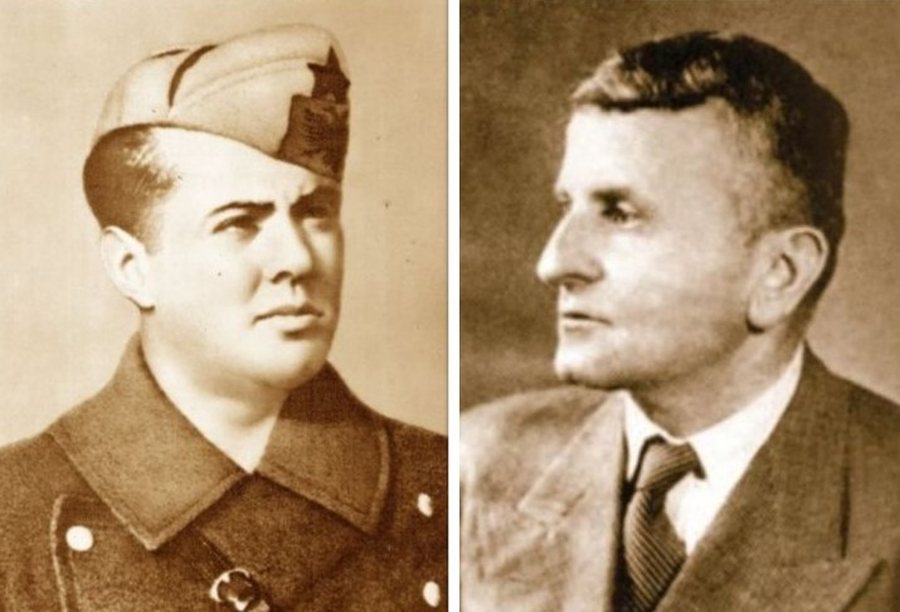
Abaz Kupi was a nationalist and patriot with an extraordinary contribution to the fight against Nazi-fascist invaders, the unification of all Albanians regardless of political beliefs, the avoidance of the fratricidal war instigated and practiced by the Communist Party and E. Hoxha, the overthrow of communism and the restoration of the monarchy.
Abaz Kupi would be the initiator and main contributor of the Peza Conference on September 16, 1942, contribution of General Abaz Kupi, where the dominance of figures and the nationalist wing in the governing bodies was dominant over the communists. Dictator Enver Hoxha himself, the leader of the Communist Party, in an article published in the newspaper "Voice of the People", organ of the Communist Party, in no. February 11-12, 1943, he would express himself for Abaz Kupin with these words: "The first days of April 1939, the Albanian people stood with one heart and one slogan. Abaz Kupi fought in Durrës against thousands and thousands of fascists who were landing.
The base of Canes and the sons of Albania, inspired by a great love for the Motherland, with the only rifle of the Albanian, made the enemy return to the steamers and leave hundreds of dead on the pier. Major Bazi was everywhere, in every position his voice could be heard "Boys, hit the enemy mercilessly because this is how the honor of the Motherland begs." The true patriot does not fight only with words, but with deeds, and Bazi i Canes realized his thoughts on the field of war. The base of Cane, of Kruja, the base of Peza will continue the fight until victory". But not many years later, after his emigration, the family of Abaz Kupi experienced the ordeal of suffering that began in 1939, when they were exiled by the Italians due to the resistance organized by Abaz Kupi in Durrës. The exile by the fascists continued until 1944, when then Abaz Kupi, who led thousands of Legality forces, was forced to leave Albania, taking two sons with him, and leaving one of them to take care of his daughters and his wife.
This is where the next suffering begins for the Kupi Family, who until 1991 will not see a single day of freedom, but only prisons and heavy deportations by the communists. On October 24, 1944, Abaz Kupi left his homeland. He left his family in Shkodër. The little boy was arrested in 1945, while the rest of the family, his wife and daughters were interned in Tepelena and then in the camps of Myzeqe. Abaz Kupi's family, his wife, daughters and one of the sons were persecuted more than anyone.
The war
The Kupi family was sent to Italy. At first she was held prisoner in the cells of Brindiz prison. For more than a month, they have been held in a prison in Brindisi, in complete isolation. Then they were sent to an internment camp in Siena, until 1942. Then they were released, they lived near their relative, Sejfulla Merlika. With the entry of Great Britain into the war, they saw the possibility of creating resistance in Albania. Passes from Turkey to Yugoslavia, received by Gani Kryeziu in the capital, where he meets colonel Stirling and col. Dayrell Oakley-Hill, last head of SOE's office in Belgrade. With whose help he went to Albania at the head of the Resistance with the support of the English embassy in Belgrade.
The preparatory work for the organization of the resistance was directed by Julian Amery. The Government of the Serbo-Croatian-Slovenian Kingdom was against it, but after the invasion of Yugoslavia by the Germans, together with Gani Kryeziu, Xhemal Herri, and Mustafa Gjinish, Kupi entered Albania with the help of Muharrem Bajraktar to organize the resistance against the invaders together with him. brother, Ibrahim, which he did at his own expense. Abaz Kupi was one of the main organizers and participants of the Peza Conference held on September 16, 1942 and was elected a member of KANÇ, like many other figures used by the communists to attract the masses with the sensational name "National Liberation Front". On July 26, 1943, at 11 a.m., they gathered at the house of dr. Ihsan Toptani in Tapizë village, the Delegation of the General National Liberation Council and the Delegation of the "Balli Kombëtar" organization. With the idea of expanding and strengthening the common front of the war against the Italians, he initiated the Mukje Conference held on August 1-2, 1943 to achieve cooperation between the National Liberation Front and the National Front.
Life
Abaz Kupi was born in Krujë in 1892. In 1912 he supported Esat Pashë Toptan, while in 1920 he sided with Mustafa Krujë against Ahmet Zogut. Despite the disagreements between them, after Zog came to power, Kupi became the commander of Kruja, and then a major in the gendarmerie of Durrës in the years 1932-1939. On April 7, 1939, when the Italians landed in Durrës, Abaz Kupi, also known as Bazi i Cana, led the resistance of the military unit, maintaining resistance for 36 hours. With the invasion of Albania, he left for Istanbul. In June 1939, his family was exiled to Himare. He returned to his homeland during the Second World War. He was one of the main organizers of the Peza Meeting held on September 16, 1942 and was elected a member of the KANÇ. He initiated the Mukje Conference, held on August 1-2, 1943.
"Mukja"
Marrëveshja e Mukjes u nënshkrua më 2 gusht 1943 në fshatin shqiptar të Mukjes midis Ballit Kombëtar dhe Partisë Komuniste të Shqipërisë për të bashkërenduar e rezistencën shqiptare në Luftën e Dytë Botërore dhe për t’u përgatitur për të ardhmen e Shqipërisë Etnike. Marrëveshja themeloi një Komitet të Shpëtimit Kombëtar i cili duhet të merrte drejtimin e lëvizjes së rezistencës shqiptare. Nga ana e komunistëve shqiptarë, marrëveshja u nënshkrua nga Ymer Dishnica, një anëtar i Byrosë Politike të Komitetit Qendror të Partisë Komuniste të Shqipërisë. Një mosmarrëveshje u ngrit në lidhje me statusin e Kosovës. Ndërsa Balli Kombëtar propozoi për të luftuar për bashkimin e Kosovës me Shqipërinë, përfaqësuesit komunistë kundërshtuan ashpër.
Më në fund u arrit një kompromis, ku çështja e Kosovës të vendosej në një referendum të popullit të saj në fund të luftës. Marrëveshja u konsiderua kundërrevolucionare nga Partia Komuniste e Jugosllavisë, i deleguari i të cilëve pranë Partisë Komuniste të Shqipërisë Svetozar VukmanoviçTempo ushtronte ndikim të konsiderueshëm mbi komunistët shqiptare e veçanërisht mbi drejtuesin e tyre Enver Hoxha. Si pasojë, kjo marrëveshje u dënua zyrtarisht nga Enver Hoxha në një takim të Komitetit Qendror të Partisë Komuniste të Shqipërisë.
Programi
Në mbledhjen Kombëtare në Tapizë më 26 korrik 1943 u vendos: “Sot më 26 korrik 1943, ora 11 p.dite, u mblodhën në shtëpinë e Z. Dr. Ihsan Toptani në katundin Tapizë të Tiranës, Delegacioni i Këshillit të Përgjithshëm Nacionalçlirimtar, i përbërë prej Z. major Abaz Kupi. Myslim Peza, Dr. Ymer Dishnica, Kamber Qafmolla dhe Mustafa Gjinishi dhe Delegacioni i organizatës “Balli Kombëtar”, i përbërë prej Z. Mithat Frashëri, Hasan Dosti dhe Faik Quku. Me vendim të përbashkët u zgjodh Z. Mithat Frashëri si kryetar i mbledhjes dhe Z. Mustafa Gjinishi si sekretar. U vendos të pranohen si dëgjues Z. Pater Lek Luli, Dr. Ihsan Toptani, Xhemal Herri, Gogo Nushi, Sali Vata dhe Abdullah Ymeri.
Delegatët e të dyja organizatave, duke interpretuar dëshirën dhe vullnetin e popullit shqiptar për me ndjekë një luftë të përbashkët kundër okupatorit fashist dhe atë të dy organizatave përkatëse, vendosën: Neni 1: Të formohet një komitet i përbashkët lufte me emrin “Komiteti i Shpëtimit të Shqipërisë”. Neni 2: Komiteti për shpëtimin e Shqipërisë ka për qëllim realizimin e këtij programi: 1- Luftë imediate kundër armikut okupator për çlirimin e Shqipërisë. 2- Indipendencën e plotë të Shqipërisë në kufijtë e 1913-ës dhe realizimin e bashkimit me atdheun shqiptar të viseve të banuara prej shqiptarësh, në virtut të parimit të përgjithshëm të vetëvendosjes së popujve, të njohur universalisht dhe garantuar prej Kartës së Atlantikut. 3- Një Shqipëri të lirë independente, demokratike të vërtetë. 4- Forma e regjimit do të caktohet prej vetë popullit me anën e një asambleje konstituante, të zgjedhur me sufrazh universal. 5- Komiteti i Shpëtimit të Shqipërisë pushon të ekzistojë me formimin e një qeverie provizore. Komiteti i Shpëtimit të Shqipërisë do të formohet sa më shpejt që ta lejojnë rrethanat. Delegatët e Ballit Kombëtar për deri në aprovimin e organizatës së tyre e nënshkruajnë këtë rezolucion “Ad referendum”. Delegatët K. i Përgjithshëm Nacionlaçlirimtar (5 firmat) Balli Kombëtar (3 firmat)”.
Procesverbalet
Proces-verbal: “Sot më datë 1 gusht 1943 u mbajt në katundin Mukje, mbledhja e dytë e delegacioneve të Organizatës B.K. dhe të Organizatës Nacional-Çlirimtare. Kryesia e mbledhjes me vota unanime iu ngarkua Z. Thoma Orollogajt dhe sekretaria Z. M. Gjinishi. Bisedimet i hap Z. Dosti, delegat i B.K. i cili deklaron se pas bisedimesh që bëri qendra e Ballit proces-verbalit të marrëveshjes së bërë më 26 korrik 1943, të nënshkruar adreferendum prej delegacionit të Ballit, e gjen të nevojshme të bëhet një shqyrtim disa pikave të akordit të arritun.
Bisedohet dhe vendoset që pika 1 e nenit 2 të ndryshohet dhe të qëndrojë në këtë mënyrë: Pika 1. Luftë imediate kundër armikut okupator dhe kundër çdo armiku tjetër eventual okupator Pika 2. Luftë për një Shqipëri independente dhe për zbatimin e parimit të njohur universalisht e të garantuar nga Karta e Atlantikut të vetëvendosjes së popujve për një Shqipëri Etnike. Pika 3. ndryshohet dhe pranohet në këtë mënyrë: Një Shqipëri të lirë, indipendente, demokratike, popullore. Pika 4. ndryshohet dhe pranohet në këtë mënyrë: Komiteti për Shpëtimin e Shqipërisë bie me formimin e një qeverije provizore. Pika 5. ndryshohet dhe pranohet në këtë mënyrë: Forma e regjimit do të caktohet prej vetë popullit me anën e një asambleje konstituante, të zgjedhur me sufrazh universal direct”.
Largimi
Disagreeing with the positions of Enver Hoxha, who in September 1943 rejected the Mukje Agreement with the Labinot Conference, on November 19, 1943, Abaz Kupi left the Presidency of the General National Liberation Council and on November 21 formed the Legality Movement, that aimed at the return of King Zog to Albania. However, he avoided the communist-instigated civil war until the communists started attacking Gegnina and the Baz areas. During the advance of the communists in the north, it was difficult to maneuver between the mountains, especially in Mirdita.
In the spring of 1944, in addition to officers Billy McLean and David Smiley, he was joined by Amery, who stayed with Cup's troops for seven months. Reports of numerous operations against the Germans would be contradicted by reports of British officers near the Communists. Errors and communist espionage in the General Headquarters of Special Operations (SOE) in Bari meant that through misinformation the activities of Baz were not understood. On October 24, 1944, he left his homeland via a boat provided by Ihsan Toptani in Shkodër, together with his two sons Petrit, Rustem and the translator Gaqo Goga (the Bari SOE did not help him to retreat together with the British officers), for 6 days without food and without water until they were found by a Canadian minesweeper that took them to Brindisi, Italy. He left his family in Shkodër. The younger son, Fatbardhi, was arrested in 1945, while the rest of the family, his wife and daughters, would be interned in Tepelena and then in the Myzeqe internment camps.
immigration
On October 24, 1944, he left his homeland. He left his family in Shkodër. His youngest son was arrested in 1945, while the rest of the family, his wife and daughters were interned in Tepelena and then in the Myzeqesë camps. In emigration, he was involved in organizing emigrants for a political union, then he became active in the “Free Albania” committee with president Mit'hat bey Frashëri, who would be replaced by Hasan Dosti. On July 7, 1949, he was appointed president of the military junta, under the “Valuable” project - a controlling organization of secret military operations to destabilize the communist regime in Albania. In 1968, he moved to the United States. He died on January 9, 1976 in the USA, New York, his body is buried in Kew Gardens Cemetery in Queens - New York/ Panorama




Lini një Përgjigje