


 Shkruar nga Pamfleti
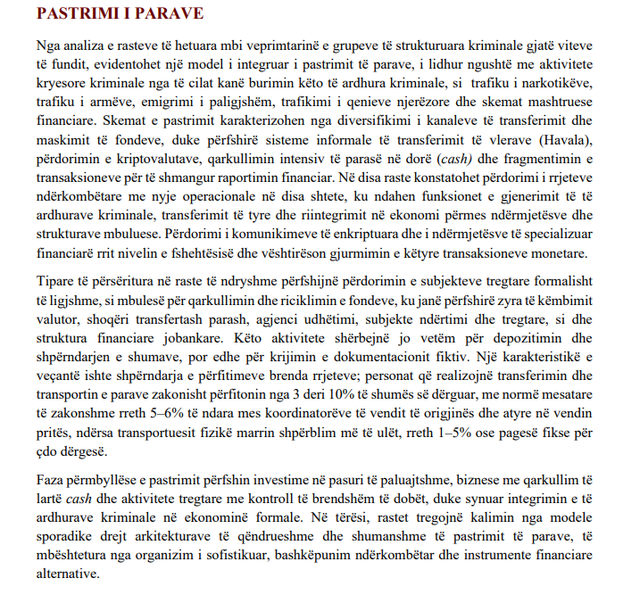
According to investigations, the proceeds of criminal activity were often disguised through investments in construction companies, commercial entities, restaurants and real estate. Communication within the networks was carried out through encrypted platforms, which were used for planning shipments and for warnings about checks...
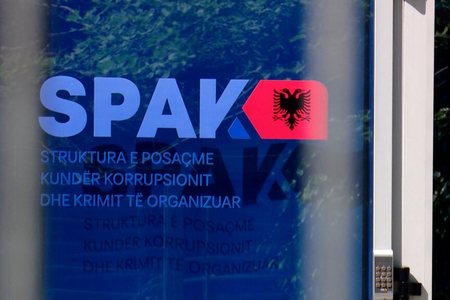
SPAK has published its annual report for 2025, which highlights the work of the Special Prosecution Office and the BKH. According to the report, although the number of new cases is lower than in 2024, the Special Prosecution Office highlights a significant increase in completed investigations, corruption proceedings, and cooperation with public institutions.
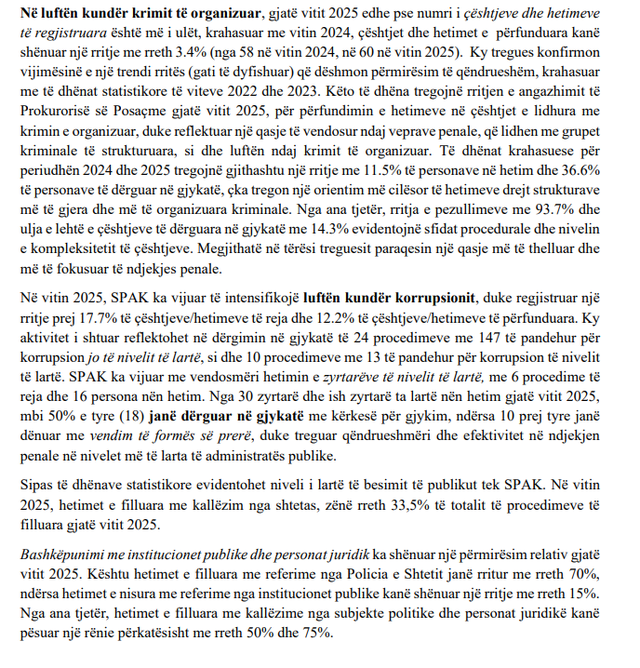
SPAK emphasizes that during 2025, the fight against organized crime has marked significant developments according to data reported by the Special Prosecution Office against Corruption and Organized Crime (SPAK).
Although the number of registered cases and investigations is lower compared to 2024, the number of completed cases and investigations has increased by 3.4%, from 58 in 2024 to 60 in 2025. This indicator confirms a continuous upward trend compared to 2022 and 2023.
The data also shows an increase in prosecutors' commitment to completing investigations into criminal offenses related to structured criminal groups and organized crime activity.
In the period 2024–2025, there was an 11.5% increase in persons under investigation and a 36.6% increase in persons sent to court.
This, according to the report, indicates a clearer orientation of investigations towards larger and more organized criminal structures.
On the other hand, the report also highlights several procedural challenges. Suspensions of investigations have increased by 93.7%, while the decrease in cases sent to court by 14.3% is related to the complexity of the files and the complicated nature of investigations into organized crime.
According to SPAK, the fight against corruption has also intensified during 2025. Statistics show: 17.7% increase in new cases and investigations, as well as 12.2% increase in completed cases and investigations
As a result, 24 proceedings with 147 defendants for non-high-level corruption, 10 proceedings with 13 defendants for high-level corruption have been sent to court.
SPAK has also continued investigations against senior public administration officials. In 2025, 6 new proceedings were registered with 16 people under investigation.
Of the 30 senior officials and former officials investigated during the year: 18 of them were sent to court and
10 people were sentenced with a final decision.
Synthetic drug trafficking
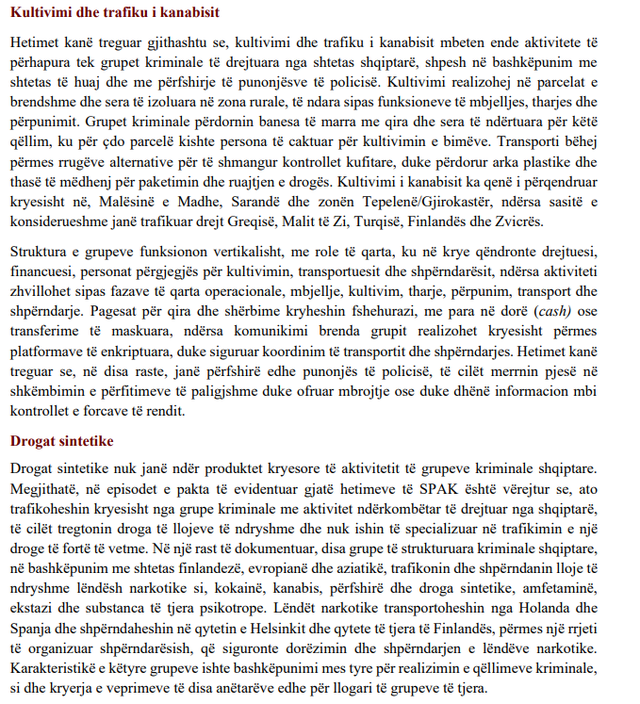
Sipas hetimeve, drogat sintetike nuk përbëjnë aktivitetin kryesor të grupeve kriminale shqiptare, por ato shfaqen në disa raste në kuadër të rrjeteve ndërkombëtare të trafikut.
Në episodet e dokumentuara nga SPAK, është vërejtur se disa grupe me aktivitet ndërkombëtar trafikonin dhe shpërndanin lloje të ndryshme lëndësh narkotike, përfshirë kokainë, kanabis dhe droga sintetike si amfetamina, ekstazi dhe substanca të tjera psikotrope.
Në një rast të dokumentuar, grupe të strukturuara kriminale shqiptare, në bashkëpunim me shtetas finlandezë dhe të vendeve të tjera europiane dhe aziatike, organizonin trafikun dhe shpërndarjen e drogës në Finlandë. Lëndët narkotike transportoheshin kryesisht nga Holanda dhe Spanja drejt qytetit të Helsinkit dhe qyteteve të tjera finlandeze, përmes rrjeteve të organizuara të shpërndarjes që siguronin dorëzimin dhe shitjen e tyre.
Karakteristikë e këtyre grupeve ishte bashkëpunimi mes organizatave të ndryshme kriminale për realizimin e qëllimeve të përbashkëta, si dhe kryerja e veprimeve nga disa anëtarë edhe për llogari të grupeve të tjera.
Trafiku i kokainës dhe rrjetet ndërkombëtare
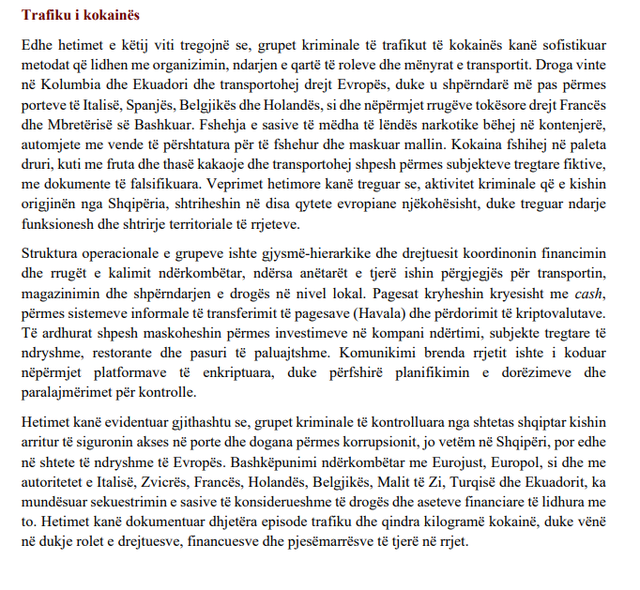
Hetimet e këtij viti tregojnë se grupet kriminale të përfshira në trafikun e kokainës kanë zhvilluar metoda të sofistikuara organizimi dhe transporti. Lënda narkotike vinte kryesisht nga Kolumbia dhe Ekuadori dhe transportohej drejt Europës, për t’u shpërndarë më pas përmes porteve të Italisë, Spanjës, Belgjikës dhe Holandës, si dhe përmes rrugëve tokësore drejt Francës dhe Mbretërisë së Bashkuar.
Për të shmangur zbulimin, droga fshihej në kontejnerë, automjete të përshtatura për fshehje ose maskohej brenda mallrave të ndryshme. Në disa raste ajo është fshehur në paleta druri, kuti me fruta dhe kakao, apo edhe në subjekte tregtare fiktive me dokumente të falsifikuara.
Struktura e këtyre grupeve ishte gjysmë-hierarkike, ku drejtuesit koordinonin financimin dhe rrugët e kalimit ndërkombëtar, ndërsa anëtarët e tjerë merreshin me transportin, magazinimin dhe shpërndarjen e drogës në nivel lokal. Pagesat kryheshin kryesisht në para në dorë, përmes sistemeve informale të transferimit të parave si “Hawala”, si dhe përmes përdorimit të kriptovalutave.
Sipas hetimeve, të ardhurat e përfituara nga aktiviteti kriminal shpesh maskoheshin përmes investimeve në kompani ndërtimi, subjekte tregtare, restorante dhe pasuri të paluajtshme. Komunikimi brenda rrjeteve realizohej përmes platformave të enkriptuara, të cilat përdoreshin për planifikimin e dërgesave dhe për paralajmërime mbi kontrollet.
Authorities have also identified cases where criminal groups are suspected of gaining access to ports through corruption, not only in Albania, but also in several European countries. International cooperation between law enforcement agencies, including Eurojust and Europol, as well as authorities in Italy, Switzerland, France, the Netherlands, Belgium, Montenegro, Turkey and Ecuador, has led to the seizure of significant quantities of drugs and assets related to these activities.
Investigations have documented dozens of trafficking episodes and hundreds of kilograms of seized cocaine, highlighting the roles of leaders, financiers, and other members involved in these criminal networks.
Contract killings and drug trafficking links
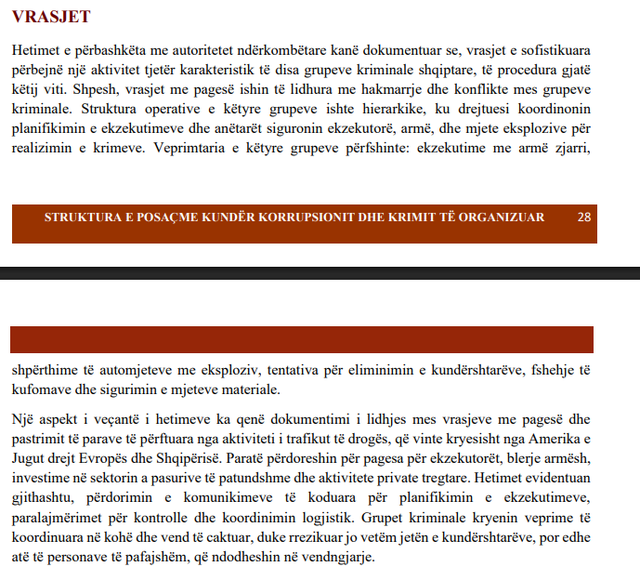
Investigations conducted in cooperation with international authorities have documented that sophisticated murders constitute another characteristic activity of several Albanian criminal groups during this year. According to investigative data, some of these crimes are committed as contract killings and are related to revenge or conflicts between criminal groups.
The operational structure of these groups appears hierarchical. Leaders are responsible for planning and coordinating executions, while other members provide the executioners, weapons, and explosives used to carry out the crimes.
Documented activity includes executions by firearms, explosive vehicle explosions, attempts to eliminate opponents, as well as hiding bodies and securing material means to commit crimes.
A particular aspect of the investigations has been the documentation of the connection between contract killings and the laundering of money obtained from drug trafficking. According to the investigations, this income came mainly from South America to Europe via Albania.
Money obtained from drug trafficking is used to finance criminal activities, including payments to executioners, the purchase of weapons, and investments in real estate or private commercial activities.
Investigations have also revealed the use of encrypted communications for planning executions and logistical coordination. In some cases, the actions are carried out in a coordinated manner at a specific time and place, increasing the risk not only to the targets of the attacks, but also to innocent people who may be near the scene. /Pamphlet/



Lini një Përgjigje