


 Shkruar nga Pamfleti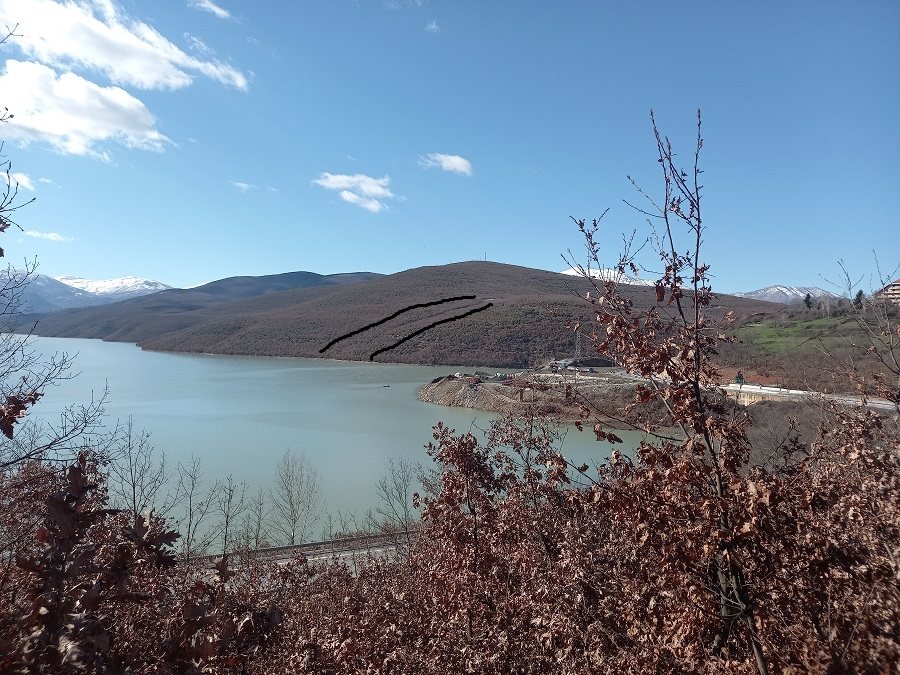
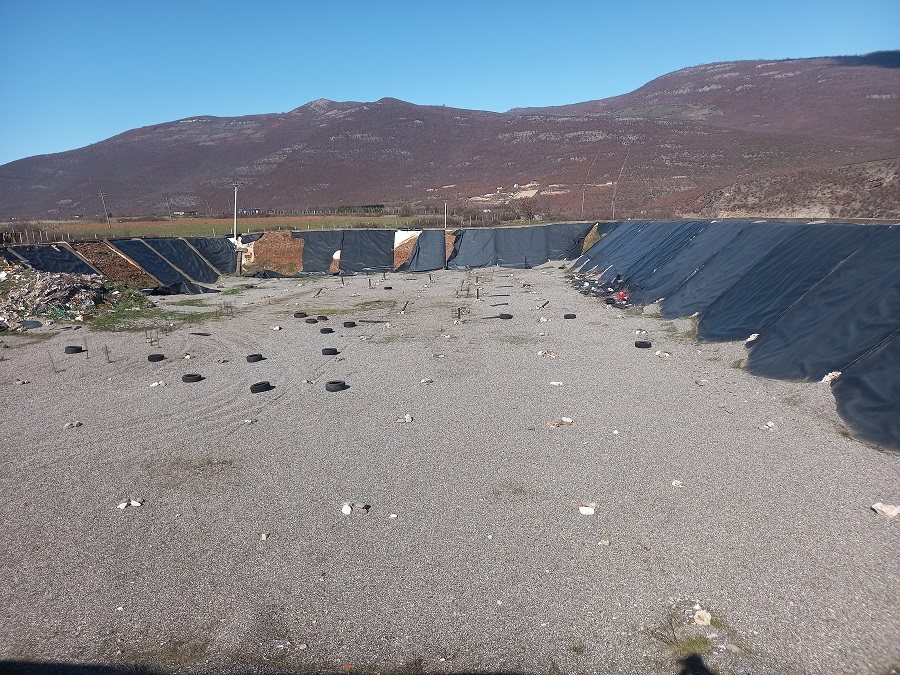
The Municipality of Kukës continues to dump its urban waste in an overflowing field on the edge of Lake Fierza, despite having an unused landfill and having shelved an ambitious project for integrated management for six years.
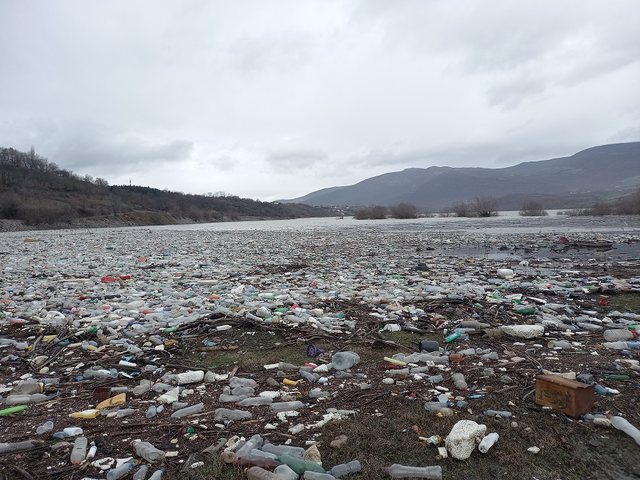
Amidst the greenery on the outskirts of Kukës, the area known as “Lama e Fluturës” is flooded with garbage. From the waste field, a black water channel flows for almost 300 meters steeply towards Lake Fierza.
The canal contains leachate, polluted and untreated water caused by the decomposition process of urban waste.
In the Municipality of Kukës, urban waste management has been in crisis for years, but for local officials, the problem has no end.
“The landfill is almost full,” says Liridon Mehmeti, director of services at the Municipality of Kukes. “We are maneuvering with difficulty, putting heavy tractors into operation to free up some space for waste disposal,” he adds.
Although it should have been closed and rehabilitated years ago, the Kukës Municipality waste field near the village of Myç-Mamëz continues to cause incalculable damage to the environment and the health of residents.
“The waste deposited in our village is destroying our lives,” says Ahmet Dulla, a 70-year-old resident of the area.
"In the summer, they are set on fire, which causes us many problems, including not being able to breathe. We don't even have anywhere to graze our livestock, as they end up in the garbage," he stressed.
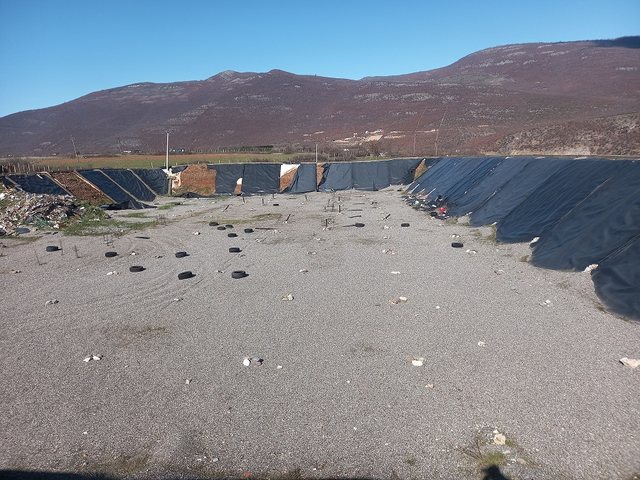
The agony of the environmental crisis is, however, unclear, given that the Municipality of Kukës has a new landfill at its disposal that it does not use, while it is shelving an even more ambitious project for integrated regional urban waste management.
The Bozha landfill was completed in 2022 through an investment of 270 thousand euros financed by the Ministry of Environment, but it remains unused, even though the current landfill is beyond any parameters and capacity.
The Municipality of Kukes did not respond to BIRN's questions about the reasons for the non-use of the landfill in Bozha and the delays in the implementation of the regional project for the treatment of urban waste by the time of publication of this article. The Ministry of Environment and the National Waste Management Agency, AKEM, also did not respond to requests for comment.
Projects on the shelf
Prej dhjetorit të vitit 2020, tre bashkitë e qarkut Kukës kanë një plan të përbashkët për trajtimin e integruar të mbetjeve urbane, i cili parashikon deri në vitin 2030 ndërtimin e një landfilli në fshatin Pobreg, ndërtimin e dy stacioneve të transferimit si dhe mbylljen e gjashtë venddepozitimeve aktuale në Kukës, Has dhe Tropojë.
Në shtator të vitit 2023, këtyre planeve iu shtua edhe një projekt i Bashkimit Europian dhe i Agjencisë Franceze për Zhvillim, AFD, i cili parashikon që të mbështesë ekonominë qarkulluese të mbetjeve përmes një financimi prej 19 milionë eurosh në qarqet e Kukësit dhe Gjirokastrës.
Projekti parashikon që të përmirësojë kushtet e jetesës për 190 mijë banorë në Kukës dhe Gjirokastër përmes rritjes së riciklimit, ngritjes së landfilleve sipas standardeve të BE-së si dhe lehtësimin e menaxhimit të mbetjeve për të reduktuar ndotjen dhe emetimet e gazeve serrë.
Në gusht 2025, kryeministri Edi Rama dhe ish-ministrja e Turizmit, Mirela Kumbaro premtuan se ndërtimi i landfillit në fshatin Pobreg do të fillonte sa më parë.
Por projekti kundërshtohet nga banorët e fshatit, të cilët ankohen se vendimi është marrë pa konsultimin e tyre dhe përbën një rrezik të drejtpërdrejtë për ndotjen e ajrit, tokës dhe ujërave të tyre.
Kryeplaku i fshatit Pobreg, Hamit Dida i tha BIRN se komuniteti nuk është kundër zhvillimit, por kërkon transparencë dhe garanci për mbrojtjen e mjedisit.
“Ky projekt është vendosur pa dijeninë dhe miratimin tonë. Është një vendim që nuk merr parasysh interesin e banorëve dhe rrezikon jetën në këtë zonë,” tha Dida për BIRN.
“Ne kërkojmë garanci që ky projekt nuk do të ndikojë në mjedis dhe ndotje të tokës dhe ujërave,” shtoi ai.
Landfilli sanitar i Pobregut parashikohet të ketë një kapacitet prej 250 mijë m3 mbetje për 25 vjet. Sipas studimit të fizibilitetit, në funksion të këtij projekti do të ngrihen edhe dy stacione transferimi me kapacitet magazinimi 2-3 mijë ton në vit në Has dhe Tropojë.
Kryebashkiaku i Kukësit, Albert Halilaj u përpoq që të qetësonte banorët gjatë vitit të shkuar me deklaratën se landfilli “do të siguronte menaxhimin e sigurt dhe bashkëkohor të mbetjeve”.
Megjithatë, përfaqësues të tjerë të pushtetit vendor e shohin me dyshim një realizim të shpejtë të projektit.
“Nuk ka asnjë zhvillim rreth këtij projekti, është vetëm në kuadrin e fjalëve,” tha për BIRN Zenit Matmuja, kryetar i njësisë administrative Tërthore, ku bën pjesë fshati Pobreg.
“Unë si kryetar i Njësisë Administrative nuk jam i informuar për këtë problem, madje nuk di as vendin ku do të zbatohet projekti,” shtoi ai.
Ndotja e Fierzës

Liqeni i Fierzës u krijua në vitin 1978 pas ndërtimit të digës së hidrocentralit me të njëjtin emër, falë prurjeve të lumenjve Drini i Bardhë me origjinë nga Kosova dhe Drini i Zi me origjinë nga Maqedonia e Veriut.
Waste flows from both rivers contribute to the pollution of the lake, not to mention the damage caused by the leachate flow from the waste field into the "Butterfly Lake".
The leachate spill into Lake Fierza is estimated to have severely damaged the fauna and biodiversity in this water basin, including the disappearance of fish.
Hysen Manga, a fisherman in the area for 40 years, says he has almost completely avoided casting hooks on the right side of the large bridge.
"In the entire area of the Lake, to the right of the big bridge, fishing is now very rare due to the significant reduction in fish in this area as a result of the discharge of polluted waters from the waste pit," he said.
At the mouth of the Luma River in Fierzë, Oljam Dervishi, an environmental engineer and head of the environmental organization, RESU, was monitoring the worsening situation. The Luma flows through the administrative units of Shishtavec, Zapod and Topojan, before flowing into Fierzë near the former copper plant.
“The situation is alarming, but a large part of our rivers are polluted in the same way,” Dervishi said. “This is like a funnel for waste, which then discharges into the sea,” he concluded./Reporter.al



Lini një Përgjigje