


 Shkruar nga Pamfleti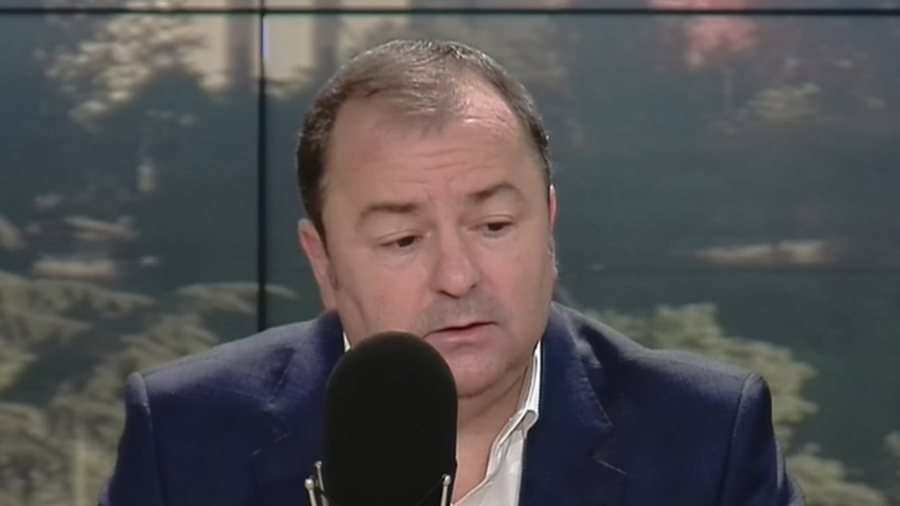
In the next podcast "Talk with Anila Hoxha, the topic of discussion was the use of drugs.
This scourge of society that has turned adults and children into users, that has produced other phenomena as the police report the arrest of users as perpetrators of events mainly violence and theft, and on the other hand it is observed that their treatment in the cell remains difficult.
Andrin Tahiri, head of toxicology at Mother Teresa Hospital, was also invited in this episode, who admits that users are also children of judges, prosecutors and businessmen. Asked by journalist Anila Hoxha if there are politicians who are drug users, he said: " But why, my lady fox, I will say that the white one has the date of birth".
Anila Hoxha: Good evening. What should be kept in mind by anyone who finds out and has doubts that a relative may be a drug user, and where can anyone who is a drug user and will fight addiction go to seek help?
Andrin Tahiri: Now the drug phenomenon in Albania is not something new. Be it as medical staff, but also Albanian families to some extent have some kind of information and are prepared. The problem is at what point do they have this kind of approach to their child? Today's reality is that the drug phenomenon is becoming part of teenage culture. I think this is the problem, not the drug.
Anila Hoxha: Doctor, that is. that the age of the users has decreased?
Andrin Tahiri: Yes, the trend is decreasing. So, the trend is in ninth grades. Especially for marijuana.
Anila Hoxha: Are we talking only about Tirana or all of Albania?
Andrin Tahiri: No, you can't say massive. They are isolated cases at these ages, they are isolated cases that are caught or rather the vigilance of the parents who come, ask for advice, have some kind of approach to know the problems that their teenage child may have. Somewhere from curiosity, somewhere from those inevitable problems of age that are not faced, somewhere else from a community pressure that experiences with drugs have. They may become victims of this problem. But parents should be the first to notice behavioral changes, be advised, definitely be oriented where they need to be and definitely why not come and be advised at the Clinical Toxicology-Addiction Service at QSUT. It is a unique, national service.
Anila Hoxha: Are they treated there periodically or do they come, present themselves and leave?
Andrin Tahiri: Periodical. There are cases that require hospitalization in a hospital where they receive multidisciplinary treatment. There are cases that are treated on an outpatient basis, so we call them according to our expression as outpatients. Based on the substances they use, the medication is pharmaco-therapy.
Anila Hoxha: What is the number of patients currently being treated?
Andrin Tahiri: Patients who have received real medical assistance, that is, including patients who have been hospitalized and received medical assistance and those who have been treated on an outpatient basis, that is, those who are followed up by us, who follow them, who is stretched in time will be something to 400 patients per year. But let's not forget that they are chronic patients. So, users of stimulants, cocaine, marijuana, heroin. They come to convert from the drug heroin to methadone or as an alternative to buprenorphine, receiving medical assistance, if we are facing behavioral disorders where I can also highlight mental health issues, then our dilemma is therefore the work is multidisciplinary.
Anila Hoxha: The largest number of patients are users of heroin, cocaine, or do you also treat patients and teenagers who use the narcotic substance cannabis-sativa?
Andrin Tahiri: According to the latest data, heroin drug users are in a stationary position, i.e. plus or minus with small movements. The trend is among users of the drug cocaine, among people who have a budget, while among these young people, the trend is for marijuana, since it is an even cheaper drug.
Anila Hoxha: Which category are cocaine users?
Andrin Tahiri: Drugs do not choose. It can include in its claws the richest man, the most educated man, as well as the one who is homeless, or homeless as we call him. The drug is holding you in its clutches.
Anila Hoxha: We dealt with the story of a lawyer who, from being a lawyer and defender of suspects and accused, is now detained in a prison in Albania. Precisely this degradation and this enslavement by drug addiction. But my question was in a different aspect. It is somewhat like a cliché, but in this conversation we will share it together. It is considered the drug of vips, of the rich, who uses cocaine today?
Andrin Tahiri: Janë ata njerëz të cilët kanë një buxhet. Jo kushdo mund të involvohet dhe ta blejë. Është tjetër gjë mekanizmat që detyrohesh të futesh nëpër problematika, të abuzosh , të mashtrosh, të vjedhësh për të siguruar lëndën drogë. Fillojnë mungojnë gjërat nëpër shtëpi. Për të siguruar lëndën drogë dhe kur paraqiten tek ne, për asistencë mjekësore , fillon debati midis prindërve “jo fajin e ke ti sepse e ke përkëdhelur . Jo fajin e ke ti , se kam unë. Sepse ti i jep lekë.” Pra aty ku ka buxhet ato fillojnë dhe përsërisin ritualin e marrjes së lëndës drogë deri sa futen në një lloj rreth viciozi që bëhen përdorues kronikë. Dhe në këtë moment në mos në një mënyrë apo në një mënyrë tjetër, do tentojnë të sigurojnë buxhetin për të marrë lëndën drogë.
Anila Hoxha: Para pak kohësh, Policia e Shtetit nisi një test kontrolli për oficerët e policisë nëse ishin apo jo përdorues droge. Keni ju pacientë që mund të kenë qenë oficerë policie dhe që janë përdorues droge? Apo edhe politikanë?
Andrin Tahiri: Po pse moj zonja dhelpër do të them unë që bardhoshja ka datëlindjen?
Anila Hoxha: Kështu më je përgjigjur edhe në emisionin “Exclusiv”.Të njëjtën përgjigje më ke dhënë.
Andrin Tahiri: Normalisht, që unë do të ruaj profesionalizmin.
Andrin Tahiri: Mjekët i shërbejnë kujtdo. Thashë edhe më përpara arrita të mbyllja deri në 3 fjalë “që droga nuk zgjedh.”
Anila Hoxha: Doktor , Qendra “FOL” para dy vitesh monitoroi trendin e shpërndarjes së drogës dhe eficencën e institucioneve të drejtësisë sesi ato e parandalojnë, e godasin dhe i dënojnë individët që janë të implikuar në këto fenomene. Dhe konstatuam që midis një fashë grupmoshe që janë pikërisht adoleshentët kishte mjaft të mitur të cilët ishin fëmijë oficerë policie , fëmijë edhe gjyqtarësh , fëmijë prokurorësh që kapeshin me doza të vogla.Vazhdon të jetë i njëjti fenomen? E keni ndeshur një problematikë të tillë të adoleshentëve të cilët janë fëmijë biznesmenësh, fëmijë gjyqtarësh , prokurorësh e kështu me radhë?
Andrin Tahiri: Është e vërtetë . Ky lloj fenomeni është i vërtetë .
Anila Hoxha: Nga ajo që ju prekni cdo ditë , a konsumojnë adoleshentët edhe drogëra të tjera?
Andrin Tahiri: Ka raste patjetër. Janë disa drogëra, janë disa stimulantë , është një lloj ekstazi . ka raste psh. me ketaminë pra këto janë raste sporadike. Por droga bazike kjo është marijuana që thashë që është pak më e lirë për adoleshentët. Kokaina për njerëzit që kanë buxhet dhe këto stimulantët e tjerë që janë droga të tjera që më shumë i përdorin për ambiente për party ose nëpër festa.
Anila Hoxha: A kemi ne qendra mjaftueshëm për rehabilitimin dhe trajtimin e përdoruesve të drogës?
Andrin Tahiri: This is an element, for example. that we need. I even think of it in the entire chain of public health. The only missing link is follow up. So the Clinical Toxicology-Addiction Service is a service, already consolidated in terms of staff, human resources, experience, and the opportunity it provides. But the problem is that a patient needs a treatment. There is a long-term process, with multiple interventions and dynamic monitoring. The problem is that after leaving the hospital, after determining the diagnosis, after determining the program of what will be done, this patient is taken out to the street market again and the relapses are present. So, the presence of a long-term residential multidisciplinary rehabilitation center I think would be a very good solution to help this group, the people who need it.
Anila Hoxha: A last message to everyone who follows us?
Andrin Tahiri: Don't trust young people, teenagers, anyone who approaches drugs. You are suspicious. There are no good drugs. All are toxic. I wanted to tell my parents too. Parents, accept your children as they are with the problems of adolescence and try to be as cooperative as possible in solving these problems. That's all I could say as a parent and as a doctor.
Anila Hoxha: We were with Mr. Andrin Tahiri. Thank you/To Channel





Lini një Përgjigje