


 Shkruar nga Pamfleti
Legally, all parties involved in road construction must be insured for their liabilities. However, in practice, this rarely happens and damage or landslides to roads, often shortly after their construction, are paid for a second time by taxpayers.
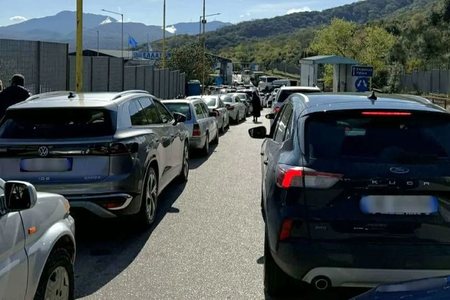
In recent months, Albania has been faced with an increasing phenomenon of road damage, especially related to landslides. Such phenomena have been observed on several national roads, where the most worrying one occurred on the Librazhd - Përrenjas axis and even brought traffic to a complete standstill on the main axis connecting Southeastern Albania with the rest of the country.
Beyond discussions related to the causes of these landslides and the responsibilities of the various parties involved, an important aspect is the insurance of economic damage in the construction of public works, including roads.
Since the 2019 earthquake, it has been a generally recognized fact that there is an obligation to insure the liability of the builder for the construction of buildings. However, a similar obligation also exists for the construction of engineering works, including roads.
Just as a builder is obligated to ensure his responsibilities when building a building, including and with a particular focus on landslides, this obligation should also apply to road construction.
If a road collapses within 10 years of its construction, for example, the beneficiary, in this case the state, should be compensated by the insurance company.
There have even been examples of road damage occurring very soon after construction, such as the Burrel Ring Road. However, according to insurers, this legal obligation of road companies is almost never enforced.
The law requires insurance for designers, developers and builders
In December 2022, the Council of Ministers adopted a decision determining the general conditions and elements of professional liability insurance for the designer, the design team and the implementer of the works, as well as the rules and elements of insurance,
developer's responsibility for all constructions worth over 100 million lek.
The licensed designer is obliged to conclude a professional liability insurance contract. The professional liability insurance contract covers any damage that may be caused as a result of his activity during the construction process of the facility.
Shuma e sigurimit llogaritet duke mbuluar çdo shpenzim të nevojshëm e të domosdoshëm të projektimit të ri, si dhe shpenzimet shtesë të kryera nga zhvilluesi ose organet e administratës publike, që kanë rrjedhur si pasojë e gabimeve në projektim, si dhe kostot shtesë që mund të lindin për zhvilluesin, si pasojë e gabimeve në projektim gjatë zbatimit të projektit.
Gjithashtu, zbatuesi i punimeve si person juridik, i licencuar, është i detyruar të lidhë një kontratë të sigurimit të përgjegjësisë profesionale. Kontrata e sigurimit të përgjegjësisë profesionale mbulon çdo dëm që mund të shkaktohet si pasojë e veprimtarisë së tij gjatë procesit të ndërtimit të objektit.
Shuma e sigurimit llogaritet duke mbuluar të paktën çdo shpenzim të nevojshëm e të domosdoshëm për kryerjen e punimeve të reja, si dhe shpenzimet shtesë të kryera nga zhvilluesi ose organet e administratës publike, që kanë rrjedhur si pasojë e zbatimit të punimeve në kundërshtim me kontratën përkatëse për zbatimin e punimeve të ndërtimit, me dokumentet e planifikimit dhe zhvillimit, si dhe me legjislacionin në fuqi, që rregullon veprimtarinë e ndërtimit.
Zhvilluesi, si person fizik apo juridik, është i detyruar të lidhë një kontratë të sigurimit të përgjegjësisë profesionale për të gjitha ndërtimet me vlerë mbi 100 milionë lekë. Kontrata e sigurimit të përgjegjësisë profesionale mbulon çdo dëm që mund të shkaktohet nga rreziqet gjatë procesit të zhvillimit kundrejt palëve të treta.
Shuma e sigurimit llogaritet në përqindje ndaj preventivit të punimeve të zbatimit për kostot e llogaritshme, pa vlerën e Tatimit mbi Vlerën e Shtuar. Kjo vlerë do të jetë jo më shumë se 15% e vlerës së preventivuar të punimeve.
Detyrimi ligjor për t’u siguruar nuk zbatohet
Ogert Shkrepa, kryetar i Komitetit të Produkteve të Reja në Shoqatën Shqiptare të Siguruesve, thotë se investimet publike janë të ekspozuara karshi rreziqeve natyrore dhe është e rëndësishme që veprat të japin garanci për të ardhmen.
“Zakonisht, dëmet që lindin si pasojë e defekteve të fshehura, pasi mbaron projekti, lindin në 10-vjeçarin e parë. Ka një VKM që përcakton se gjatë certifikimit të objektit, marrjes në dorëzim nga ana e autoritetit që e ka ndërtuar veprën, duhet të marrë një garanci 10-vjeçare.
Kjo garanci nuk përdoret vetëm në Shqipëri, por është një produkt europian, në mënyrë që të mbrojë buxhetin e shtetit dhe që e njëjta vepër të mos paguhet për së dyti me paratë e taksapaguesve.
Kjo zakonisht ka gjetur zbatim vetëm për pjesën e ndërtimeve të pallateve, në momentin që ndërtesat certifikohen nga bashkitë. Ndërsa, për sa u përket veprave publike, detyrimi nuk ka gjetur zbatim. Edhe pse është detyrim ligjor që të sigurohen edhe gjatë ndërtimit të veprës, në shumë pak raste kjo ndodh në realitet”, thotë z. Shkrepa.
According to him, the first time a construction firm takes on a project or signs a contract, it must take out construction risk and third-party liability insurance. Any damage that may arise during the construction phase is paid for by the insurance company.
"When they take on such a risk, insurance companies have their own construction engineers who go and assess the risk, assess the geological report of the land, assess the area where that work is being built, and have historical data on previous events in that area."
"This enables an appropriate risk assessment of the respective area, thereby determining the insurance premium. Meanwhile, the insurer can also provide recommendations to the builder, based on the identified risks," says Mr. Shkrepa.
He says that there is a need to review and build the capacities of public employees, so that they are not just simple inspectors, but have the capacity to assess risk and do that job correctly. Beyond the legal obligation, which is also not fully implemented, he notes that the culture of voluntary insurance is very weak in this segment as well.
"This practice is mainly implemented by foreign companies, because they have a different insurance culture. In some cases, foreign companies also force Albanian subcontractors to carry the relevant liability insurance," he says.
Insurance figures, small
Data from the Financial Supervisory Authority (AMF) shows that civil liability insurance, which also includes builders' liability insurance, remains modest. For 2025, gross written premiums in general civil liability insurance were worth 945 million lek, or about 10 million euros.
This product brings in less than 4% of gross written premiums in non-life insurance. The number of contracts concluded during 2025 was slightly more than 20 thousand. Although the number of contracts may seem significant, representatives of insurance companies explain that, for the most part, they relate to the insurance of new apartments sold during the year, with the obligation to insure the builder's liability on them.
The damages paid in this segment had a modest value of 9.5 million lek.
Specifically, gross written premiums in construction liability insurance amounted to 360 million lek, with the majority believed to be mandatory builders' insurance for the construction of buildings.
Builders' liability insurance accounted for less than 1.5% of gross written premiums in non-life insurance for 2025./Monitor





Lini një Përgjigje