


 Shkruar nga Pamfleti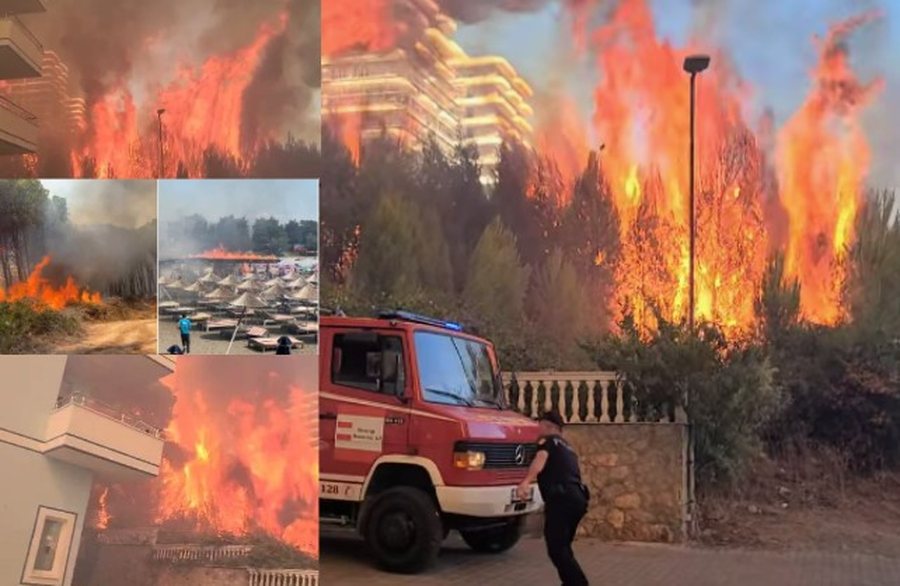
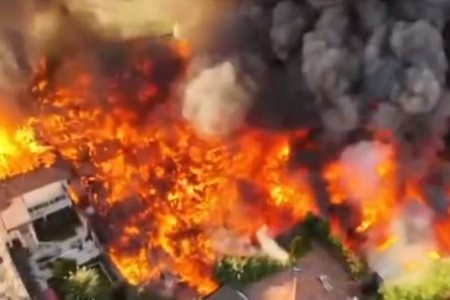
The situation in Shengjin was quite difficult due to the extraordinary spread of the flames that endangered the residents and the apartments, but also the lives of the firefighters.
The chief of the Rrëshen Firefighters, Agim Lleshaj, who has been in Shengjin for more than 48 hours to help the municipality in bringing the situation under control, confessed in "Dita Jôna" the danger they faced the day before .
Lleshaj said that there were many cases when their lives were put in danger and they were forced to abandon the vehicle.
"The Municipality of Mirdita had 48 hours to help the Municipality of Lezha. In the beginning, we had the situation under control, but from the beginning of the wind, the situation became aggressive and went out of control despite the fact that we did not have vehicles and personnel from all municipalities. The dangerous and overgrown place was life-threatening. Housing management was difficult. We have had many occasions when our lives have been put in danger. We have had cases where we have abandoned the vehicle but returned after 5 minutes".
He cannot determine the cause of the fire, but Lleshaj says that the logistics base in our country leaves much to be desired. According to him, these situations are difficult to manage even by larger states.
"I don't believe that even countries bigger than us have the capacity for such, but these are unmanageable difficult situations. The main basis of our operation is logistics, which leaves much to be desired in all municipalities. There are many municipalities that suffer because their logistic base is amortized. Extinguishing the fire with circumstantial means is carried out in those places where we have to walk a lot and you cannot be loaded with 20-25 liters of water, when it gives no effect at all. This hearth was created 5 days ago. It started in Torovicë and moved to Shengjin by wind. I don't know the cause, I wasn't there when it started".
The situation in Shengjin is currently being monitored and according to Lleshaj, this will last 3-4 days. He appreciates the helicopter help from the air, as he hits the epicenter of the outbreak where firefighters cannot intervene.
"Aid from the air helps us a lot because it gives the first hit where the hearth is concentrated because we focus on the surroundings of the hearth. The situation under control is being monitored that there may be reactivations and where the focus is created, immediate intervention is possible, it may take 3-4 days of monitoring. All the Defense forces and 25 fire engines from all the municipalities have come out. An intervention and control plan will be made, but we will enter more with ground forces at the base of small outbreaks. We are making the plan for the distribution and intervention of the forces", he said.





Lini një Përgjigje