


 Shkruar nga Pamfleti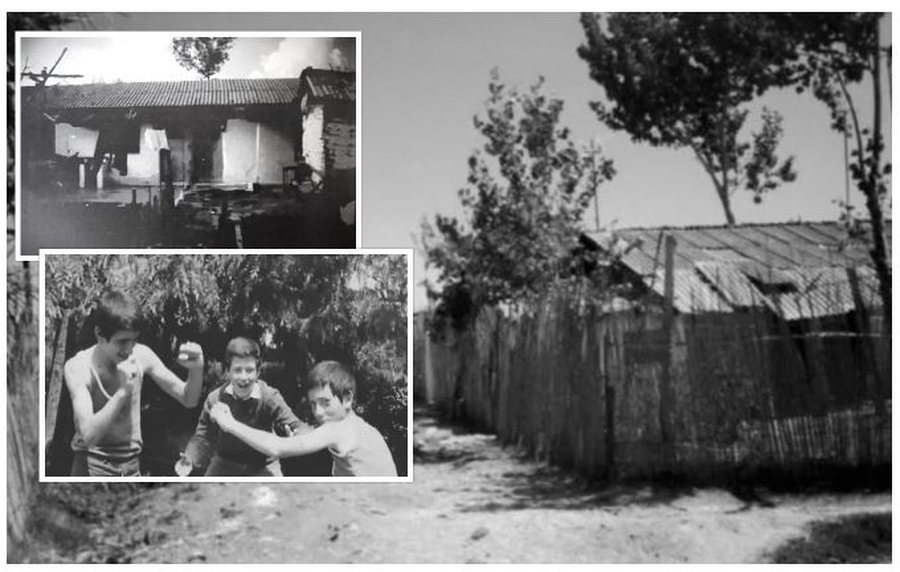
The escape at a young age of some of our fellow sufferers, those who were born and raised in internment camps, to the world in the last two decades, everywhere has been more than a mixed pain. Not only did they run away at a young age, but also without enjoying this blessed day, which God himself gave us as fish, so that we too could live one day in freedom and democracy. But, again, we thank God for this gift, that at least our children did not have our fate, because they grew up like the children of the whole world today.
However, their departure, and that of our parents forever, has been great and very shocking, not only for the families, but for all of us, who were lucky enough to live together and grew up as brothers and sisters. But even those who remain for us as our parents, scolded us, taught us and educated us. We peers, like our parents, shared together at that time also those days of youth in the internment camps, where they were "hiding" between youthful dreams and fear and deprivation of all rights of that time.
Like every fellow sufferer in the internment camp, including our parents who paid more than us, with a whole life in Enver Hoxha's infamous prisons, becoming a shield for us, their children, because we were children, and it was not our turn, until those parents also died, without seeing a ray of "Sun", if you asked them today, they would answer that: "Everything, maybe we would forgive them, even if they were alive, to that regime, but one cure at a time, we would not forgive the youth, which they denied and took from us".
In the last two decades Perendia, it is said that; "just as you love them and take them", this is what happened to some of them, one escaped from this life due to an accident, someone from a serious and incurable disease, but they all have one thing in common: "They left like angels to Heaven, or Hell".
This is how Gjovalin (Lin) Konti, together with his father, Rrok Konti and mother Lule, died of a serious illness, Ndoc Vokrri, Bardhok Zefi's son, died in a traffic accident in the prime of his youth. , Kujtim Nela, the son of Sherif Nela, died, and finally, a few years ago, Gani Hoxha, the son of Bajram Hoxha and Zyle Metalija - Hoxha, also passed away.
But, unforgettable in our memory, will remain some of our friends, our peers, who did not live in our political circumstances in the Savra Internment Camp, but who were and will remain alive in our minds and hearts as comrades and good friends, and indeed those who attached themselves in those difficult times, to our youth.
However, the life of these people who spent their whole lives in terrible prisons and internment camps, who lost the most beautiful thing in this world, i.e. their youth, naturally left a mark everywhere! In almost 50 years of dictatorship, years that are carved like a chisel, in their hearts, are like a story, not just a few years, but like those stories that, although centuries pass, cannot be easily forgotten.
For each one of us today, when we start with the memories, I can write very easily, and so I ask each one of us, not to "tremble" and not to "fear", but to write something, because they have their lives between to these people with lots of memories, with the good but also the bitter ones of life. Which are eternal signs and indicators, even in our eyes and faces, that we remained living witnesses of that calvary.
They are the evidence of a life that was raised as a monster and unfairly, by some people, on the fate of some other people. People who, the only fault they had committed, was that they had been the pariah of that country, ardent patriots and patriots, noble and intellectual of the time, enriched by sweat, even fighters and signatories of the Independence of Albania. Even family members, from those who participated in the flag raising in Dečič in 1911 and up to Vlora in 1912.
So, there were (as my aunt told me) even like the Venerable Dom Pjeter Mëshkalla, who only had in their hearts – Religion and Fatherland! "One day - said my late uncle, Musa Sina - when a guard, a red executioner with a star on his forehead, ignorant and cruel, fell on the palm of his hand among the prisoners, Dom Pjetër Mashkalla, because he was reading a foreign novel, the priest, addressed the guard with two drops of tears, which slipped unintentionally, saying that: 'There is no greater pain and horror in this world, than when the power of ignorance and ignorance, that is, the power of force , comes out and shoots at the other force; that of knowledge, honesty, patriotism and religious belief - I also put my hands on the man of God".
So, this was more or less a part of the life of these people, who were born and raised from these "houses" of indescribable pain and suffering, raised everywhere like mushrooms, starting from Kruja, Berat, Porto Palermo, Tepelena, Delvina, Vlora, Fieri, Lushnja, Durrësi, Korça, etc.
It was their exile and prison, it was that "home" that gave birth and raised them, or kept within its walls the soul and heart of these people, which nourished at that time not only them, but also their children with feelings flames of family, of patriotism, of love for their country, for their religion, freedom and democracy.
“Ra ky mort dhe u pamë” – do ta titullonte romanin e tij shkrimtari ynë i madh, Ismail Kadare. Dhe vërtet kështu ndodh edhe ndodhi edhe para disa vitesh në Bronx New York. Aty u mblodhën në të pamen e Gani Bajram Hoxhës (12 shkurt 1955-19 Dhjetor 2012). Lindur në Savër (Lushnjë, në Kampin e Internimit) të gjithë familjarët, të afërmit e tij, ish-të burgosurit politik dhe ish-të internuarit, por edhe ata që e njihnin nga Lushnja dhe nga Savra.
U mblodhën t’i jepnin një nderim e respekt – vëllait të ndjerit, Bislim Bajram Hoxha me familje, me mixhën Avdullah Tahir Hoxha, motrat Servete Mulosmanaj, Myrvete Kotaj, me vllazninë Hoxha, nipa e mbesa, të cilët sipas zakonit hapën të pame për burra e gra, (me datën 6 Janar 2013, ditën e diel) në restorantin “ROZAFA”, Bronx New York. I ndjeri u varros me nderime në Tiranë, me datën 22 Dhjetor 2012, duke lënë pas vetes gruan dhe tre fëmijë.
Jeta e tij në kampin e internimit në Savër të Lushnjes, i ngjan asaj të artistëve të famshëm të muzikës, modës dhe filmave, të ditëve të sotme. I lindur në një kamp internimi në Savër, një fshat ose katund, rreth tre kilometra larg qytetit të Lushnjes, ngjitur me rrugën nacionale; Lushnje – Fier (ata që e vizitonin Savrën në atë kohë, për nga njerëzit që e popullonin, të dijes, kulturës dhe intelektualizmit, e konsideronin; “nji Paris të vogël”. Gani Hoxha, ishte ndër të parët që vishej me mode, qysh në atë kohë, bashkë me bashkëshorten e tij, Bajame Çeliku, e cila vinte nga një familje e njohur fisnike në trevën e Kukësit.
Bashkëshortja e Ganiut, së bashku me familjen e saj – u internuan edhe ata në kampin në Savër të Lushnjës. Bajame Hoxha, u bë e njohur vetëm me ardhjen e demokracisë, mbasi ajo disa vjet shkruajti poezi, por me një emër anonim; “Ama Çeliku”. Mirëpo sot në botën e lirë, ajo ka botuar gjithsej 16 libra dhe librat e saj janë vlerësuar, edhe nga shkrimtar e poet të njohur shqiptarë.
Sa që poeti Përparim Hysi, thotë në një esse të tij se: “Ndërsa komunistët e qëlluan Bajamen me gurë, ajo ua ktheu me vargje. Ua ktheu me vargje mbushur me dashuri; me blerim jete. Se e tillë ishte, gen pas geni, si familje dhe nuk kish se si, ta shëmtonin këtë karakter të fortë. Pra, ata me gurë e Bajamja me grurë. Grurë të shëndosh poetik. Për ta patur zili”.
Më tej, në essen: “Gjysma ime”, të Bajame Hoxha (Çeliku) poeti Përparim Hysi, thotë se: “Asnjë shkollë nuk të bën poet – si asnjë shkollë nuk të bën njeri. Si njerzillëku ashtu dhe poezia, i kanë rrënjët thellë: në zëmër. Dhe zëmra e Bajames, qe e butë, si prej sute. Tek vuante, në vend të rënkimit, këndonte. Se, vetvetiu, i këndonte shpirti.
Poezia e Bajames është aq e bukur dhe aq e ëmbël, që, sa e lexon, zë dhe dhe ti si lexues dhe këndellesh, se të futet, si pa kuptuar, drejt e në shpirt dhe je si je, po tak dhe fiton një ndjesi tjetër: relaksohesh dhe ndjen një kënaqësi dhe dëlirësi, si pak, magjike. Mos po flas me superlativa? Jo. Aspak”!
Ganiu jetojë pjesën më të madhe të jetës në Savër, e cila ishte një ndër ato 20 kampet internimit, ku në atë kohë ishte mbledhur paria e vendit, njerëzit më të shkolluar të vendit, (dhe që të gjithë jashtë shtetit, me nga një gjuhë të huaj, dy tre ose katër e më shumë ndonjëri).
Savra ishte për arsye të pozicionit gjeografik, edhe vendi ku për herë të parë mbas Tiranës, Shkodrës, Durrësit dhe Elbasanit, hynte, libri i parë, filmi i kohës së atëhershme, vendi ku njihej bota, mbasi aty dëgjohej fshehurazi vetëm kanalet Italiane, Savra ishte vendi ku moda dhe muzika mbas Tiranës, Shkodrës, Durrësit dhe Elbasanit, përhapej menjëherë. Moda për vajzat dhe djemtë e kampit të Savrës, ishin të parat, mbasi aty kishte nja dhjetë makina qepse, që qepnin nëpër shtëpia, prej nga pantallonat “kaubojë”, këmishat e ngushta, ose vajzat, fustanet e modës, aty djemtë e vajzat, qetheshin me shokët e tyre, sipas modës së atëhershme.
Savra ishte vendi, ku librat e autorëve më të njohur në botë, ishin si në bibliotekat shtetërore të qyteteve të ndryshme, ku adhuruesit e librit, i mbanin në shtëpitë tyre, në rafte prej dërrase. Një i internuar, kishte më shumë se një mijë libra, të autorëve më të njohur në botë, i cili quhej Spiro Anastasi. Ndërkohë, që me nga 500 libra dhe më poshtë, ishte gati e mbushur dhoma e çdo shtëpie, e familjeve intelektuale të kampit.
Mirëpo kur kujtojmë Gani Hoxhën, na vinë ndërmend ato kujtimet, kur: “Në tabelën e fletë-rrufeve jo vetëm në Savër, por edhe në qendër të qytetit të Lushnjes, nuk kishte ditë që të mos dilte në Fletë – Rrufe, e ndonjërit nga Savra dhe sidomos Gani Hoxhës e Flamur Spahiut, Ahmet Lahollit, e të tjerëve, por edhe shokëve të tyre të tjerë, që edhe ata jetonin vetëm me shpresë dhe ëndrra të asaj moshe. Shumë prej të cilave, tash i realizoi vetëm rënia e komunizmit, dalja në botën e lire, në vitet e para të tranzicionit.
Edhe pse emri i Gani Hoxhës, ishte vënë në shënjestër të spiunëve të Degës së Punëve të Brendshme, ai pati shumë kurajo dhe shok shumë, bashkëmoshatarë, jo vetëm nga të internuarit, por edhe nga ata që jetonin në anën tjetër të getove, “të lirët”, si i thërrisnim ne ata në atë kohë, të cilët ishin; Përparim Jahobashi, Namik Toska, Xhoxhi Çerepi dhe shumë të tjerë……!
E pra kështu Ganiu kujtohet sot, me shumë simpati dhe respekt, nga të gjithë moshatarët e fshatit, si një djalë i gjatë me trupin e bukur, si shumica e djemve nga Tropoja, si një djalë, që po të ishte në rininë e tij, siç janë sot të rinjtë me fizikun e tij, natyrisht që do të ishte ndonjë “Top model”. Ai kishte fizikun dhe parametrat tipike të një modeli dhe karakteristikat e atyre djemve, që lindin e rritën si “kreshtat e maleve”, djem e vajza të gjatë dhe të bukur, dhe të shëndetshëm e të mençur. I tillë ishte Gani Hoxha, djali që vinte nga Alpet e Shqipërisë, nga Tropoja.
"Tropoja, which is a name of glory and pride, for centuries and generations, honored the nation and the homeland. The trope of faith, manhood, tradition, bravery, song and generosity. It is part of the Highlands of Gjakova, or as it is called otherwise, e; "The Good Highlands" and presents a special miracle, in the entire Albanian space. In Tropoja lives a people with a pure heart, a clear mind, healthy, beautiful, smiling, smart", - states the researcher of these three, Ibrahim Kadri Malaj, in his book "Tropoja in generations" (Tirana , 2003).
And finally, Gani Hoxha is the son of Bajram and Zylë Metalija - Hoxha, or the grandson of the well-known Tropojan nationalist, Tahir Hoxha, and the friend of the Great Door of Binak Alia (Mulosmanaj). The well-known Tropojan writer, Ramiz Lushaj - has written about these two families, that: "In the entire Dardan area, the tower of Binak Ali (Rama), has historically remained a good door, for all its generations, scattered in branches , from Tropoja and Ethnic Albania, to America.
This tower (together with that of Hoxhaje, in Gash i Tropoja), was hit on April 8, 1941, by a squadron of three military planes, by direct order from Rome and Benito Mussolini, for their loyalty to King Zog, and resistance to to the Italian fascist invaders", writes, among others, the tropojan writer, Ramiz Lushaj./ Memorie.al



Lini një Përgjigje