


 Shkruar nga Pamfleti
Data from the Institute of Statistics show that the production of milk and other by-products declined last year, a situation that continues throughout this year. This situation, together with the increase in domestic demand, has significantly favored imports. This action will also severely damage small and local producers.
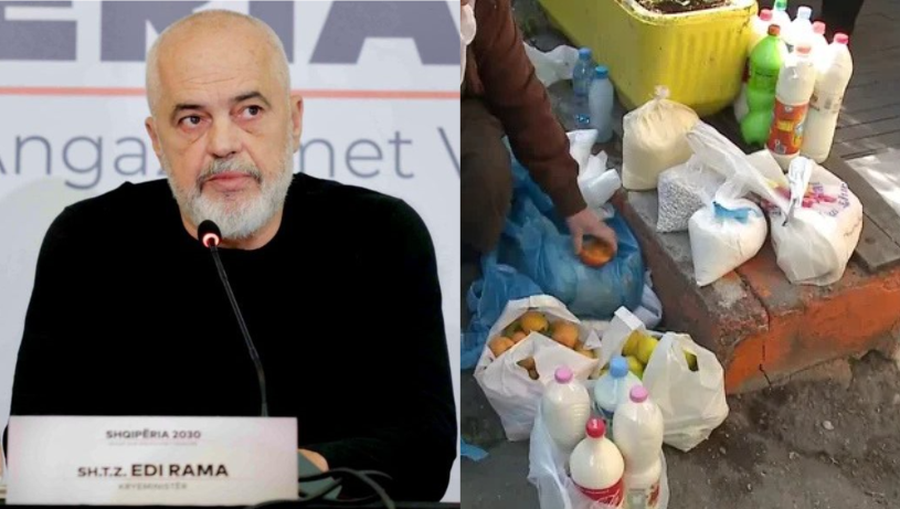
Starting today, the sale of dairy products without a tax invoice will no longer be allowed.
Taxes will 'come down' on the ground to verify whether products are accompanied by a fiscal invoice at the time of purchase.
This action comes after Prime Minister Edi Rama's ultimatum during a meeting with the country's mayors. The ultimatum aims to ensure product traceability to guarantee food safety.
"Starting Monday, there will be no more warnings, only seizures of any type of dairy product and milk without an invoice," Rama said during the meeting with the mayors.
According to the government, by carrying out all circulation of products with an invoice, it will be easier to identify those entities or farmers who violate food safety, since the invoice clarifies the origin of the product. The Ministry of Agriculture Anila Denaj and the Minister of Finance Petrit Malaj also warned during an inspection that no violation that violates food safety for citizens will be tolerated.
But this action seriously endangers livestock farmers and small producers for reasons related to fiscal problems. The 2019 law, 'On the invoice and circulation monitoring system', widely known as 'fiscalization', exempts farmers from the obligation to issue a tax invoice when they sell the product. On the other hand, the buyer, who can be a trader, dairy farmer, or collector, must issue an invoice to the farmer at the moment they receive the product.
With the legal amendments to the Value Added Tax law in 2018-2019, it was decided that the VAT for agriculture would be 0%. In this case, collectors, traders or companies have no interest in purchasing domestic production, issuing invoices with VAT since they can no longer reimburse it. In the best case scenario, if they buy it, they are forced to charge 20 percent on top of the price, and as a result, the final product for consumers is more expensive.
On the other hand, there is a reality that cannot be ignored. In Tirana, where there is no milk processing factory like in Lushnje or Berat and Gjirokastër, this product risks remaining unsold by small-scale farmers. The solution for them in this case would be their withdrawal from livestock breeding, deepening a crisis that has been going on for several years. Albania counts less than 1.7 million heads of cows and small animals, down from 2.4 million heads a decade ago.
Data from the Institute of Statistics show that the production of milk and other by-products declined last year, a situation that continues this year. This situation, together with the increase in domestic demand, has significantly favored imports. Official figures show that in recent years the import of dairy and meat products has increased rapidly. From 2020 to the end of 2024, according to estimates, 300 million euros of dairy products and 383 million euros of meat products and offal were purchased from abroad.




Lini një Përgjigje