


 Shkruar nga Pamfleti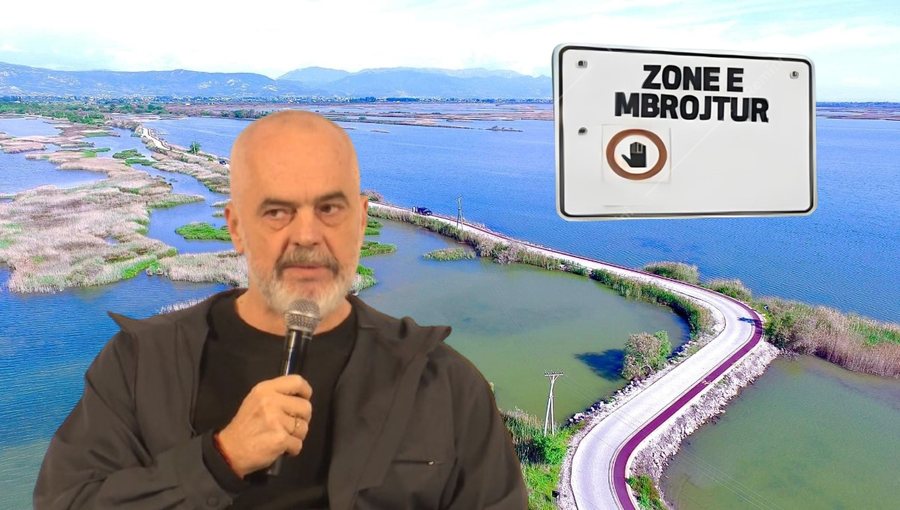
A draft law proposed by 12 deputies of the Socialist Party envisages the amendment of the current law on "Protected Areas", paving the way for their development for investments of an economic nature and leaving a part of them in the management of the municipalities. The proposals provide for the removal of the articles that constitute the core of the current law, where the possibilities of use with "intensive human activities" are excluded and a change in the form of their management.
"In any case, the respective municipality administers not less than 20% of the surfaces of the protected areas that are in the territory of this municipality" - the draft proposes. Another article that in the current law is categorically prohibitive for some processes of the use of protected areas, is formulated in such a way as to allow important infrastructural and energy interventions, such as urban areas, recreation, road infrastructure, railways, energy infrastructure, including plants for renewable energy production and oil and gas infrastructure.
The initiative is argued as a need to resolve "the deadlocks that exist in reality, such as the overlapping of "Priority Development Zones" with "Protected Zones", seeing them as economic-social development opportunities, and removing strict rules for their protection . In the accompanying report, it is stated that the current law drafted in 2017 has created problems as it is "a strict protective law" for 21.5% of the entire territory and overlooks several factors that require addressing.
"The purpose of this bill is also to highlight new principles and policies that must be implemented in protected areas as an evolution of these concepts carried out by international organizations, the result of new realities and the need for sustainable development," it is written. in the document.
According to the initiators, the changes have come at "a moment of intellectual maturity of society" and define clear rules to ensure the provision of a diverse tourist package, economic development opportunities for local communities.
Despite the arguments presented in the report, the deputies who signed the proposal are unclear about what they want to achieve with the changes in the law and say that the draft was drawn up based on a request from the municipalities. Deputy Fadil Nasufi, the first on the list of signatories, claimed that the draft had not yet been drawn up in a phone call with BIRN and that he had asked to set up a working group to examine the request that the association of municipalities had submitted to the Commission of Production and Trade Activities.
“Propozimi është nismë deputetesh e iniciuar nga disa propozime që kanë bërë disa kryetarë bashkie dhe jemi në fazën e parë të njohjes me propozimin e bërë dhe ngritjen e grupit të deputetëve që do merret me këtë çështje”, u përgjigj Nasufi edhe pasi u vu në dijeni me projekt-ligjin e publikuar në faqen zyrtare të Kuvendit.
I pyetur nëse dokumenti ishte hartuar nga bashkitë apo nga deputetët firmëtarë ai përsëri këmbënguli se “nuk është hartuar”. Një tjetër firmëtar, deputeti i Lezhës, Eduart Ndreca, i tha BIRN-it se nuk mund të jepte një koment mbi thelbin e propozimeve që parashikonte ky projektligj në telefon, por këmbënguli se ai “ka ardhur si indicje nga bashkitë”.
Ndreca shtoi se drafti do të diskutohej me të gjitha grupet e interesit, në veçanti me organizatat e mbrojtjes së mjedisit. “Nëse gjatë diskutimeve shoh që aktivistët kanë të drejtë në kundërshtimet e tyre, unë do të bëhem zëri i tyre mbështetës në komisionin e ligjeve”, tha ai. Për ekspertët dhe aktivistët mjedisorë ndryshimet do të lejojnë shkatërrimin e mëtejshmëm të natyrës dhe biodiversitetit, i cili dhe me ligjin në fuqi është rrezikuar nga investimet strategjike dhe ndërtimi i aeroporit të Vlorës në Zonat e Mbrojtura.
Nihat Dragoti, ekspert i zonave të mbrojtura pranë Institutit për Ruajtjen e Natyrës në Shqipëri (INCA), i tha BIRN-it, se formulimet ligjore në draftin e ri rrisin mundësisë e interpretimit për ndërhyrje në këto territore me zhvillime që ndryshojnë vlerat natyrore të tyre. “Kemi të bëjmë me ndryshimin e frymës së ligjit, por edhe mënyrës së funksionimit të një zone të mbrojtur”- tha ai, duke e cilësuar draftin “një katrahurë” që vë theksin tek zhvillimit social-ekonomik dhe kundërshton direktivat e BE-së e organizatave ndërkombëtare për mbrojtjen e natyrës.
Ai e quan “një zhvillim skandaloz”, dhe këmbëngul se nuk mund të lejohen hotele luksoze ose tubacione gazi e nafte, në zona ku ligji aktual lejonte vetëm zhvillim tradicional ekonomik, shkencor dhe edukativ. “Lejon prekjen e zonave të mbrojtura nga investimet, por kjo është e paligjshme sepse ato kanë një rëndësi shumë të madhe, ka një arsye që janë shpallur Zona të Mbrojtura, për të mbrojtur natyrën, biodiversitetin e tyre”- tha ai duke komentuar ndryshimet e propozuara.
“Pse? Apo se është interesi i dikujt?”, pyet Dragoti me revoltë duke apeluar që Ministria e Turizmit dhe Mjedisit të reagojë për të mos lejuar kalimin e ndryshimeve. Ministrja Mirela Kumbaro nuk iu përgjigj një kërkese për koment nëse kishte dijeni për propozimin dhe çfarë qëndrimi do të mbante kjo ministri.
Even Taulant Bino, leader of the Ornithology Association, described the proposed changes as contrary to the spirit of the law itself and with the main purpose, according to him, "to turn protected areas into unprotected areas, where any type of activity is allowed economically unsustainable and destructive to the PA, the habitats and species it is supposed to protect". "The interventions do not respect any planning process and any previous planning decision-making, including the approval of borders and zoning by the KKT and the Council of Ministers, the local national plan, the general local plan and the management plan of the protected area", commented Bino to BIRN.
Analyzing the wording of the new draft law, Bino singled out as the most flagrant and destructive interventions for the Protected Areas the proposals to change Article 8 and 6. "The intervention in Article 8 requires the municipality to manage no less than 20% of the territory of each PA - you are. This creates the dangerous precedent of several management bodies for the same PA, creates institutional conflict and leads to the destruction of PA according to the principle of 'two mothers, drown one child,'" said Bino.
While the proposal for Article 16, which affects National Parks, one of the categories with the highest protection, argues that in National Parks, projects approved by the KKT, proposed by the responsible Ministries or the relevant municipalities, where the national importance of the investment is evidenced, can be allowed in the National Parks. the investment applies/respects the highest criteria of environmental protection and the lowest impact on nature and biodiversity.
"This intervention legitimizes any type of destructive activity/investment that will be sold as being of national importance" - concludes Bino. According to experts, there have been abuses even with the current law, which, despite being good on paper, was bypassed to allow strategic investments or the construction of the Vlora airport near the Narta lagoon, a protected area of particular importance for international bird migration. in Albania.
According to Dragot, any new changes had to be made to strengthen the law we have, which was drawn up in accordance with European legislation. "If this project is approved, it contradicts all EU directives" - he emphasized. In the last two years, through contested decisions, the Strategic Investments Committee has approved at least 5 projects within the territory of Protected Areas or near Natural Monuments, ignoring the concerns of the National Agency for Protected Areas. Activists have appealed that these investments risk irreparable damage to national and international natural resources and threaten the rare species that populate them. /Son






Lini një Përgjigje