


 Shkruar nga Inger Ashing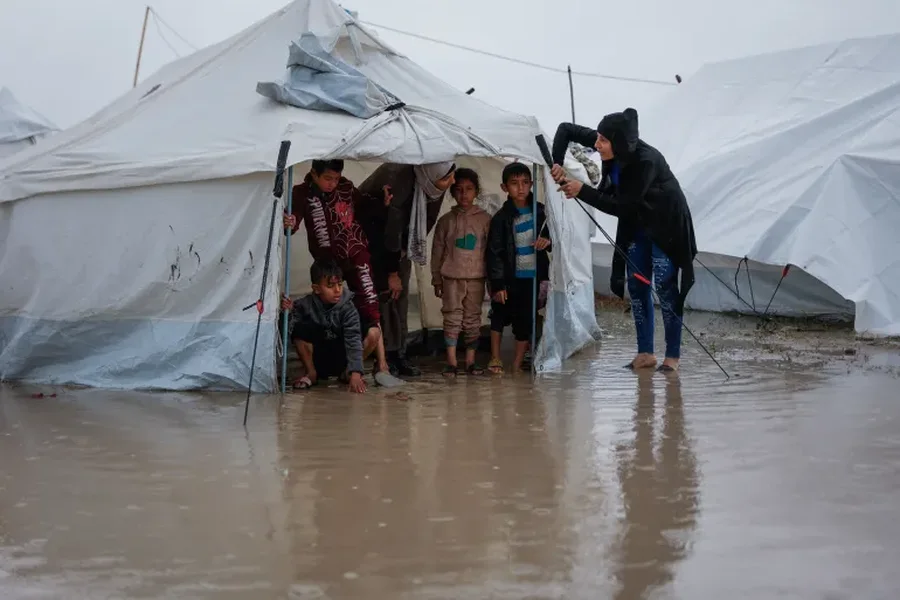
A new, innovative aid model is needed that reflects the needs of children and their communities and adapts to new realities.
As we enter 2026, one truth cannot be ignored: children around the world are facing the highest level of need in modern history, at a time when the humanitarian system, set up to protect them and their future, is experiencing some of the greatest challenges of recent decades.
The events of 2025 marked a dramatic rupture in global humanitarian and development efforts. When the United States abruptly cut off foreign aid in January, billions of dollars disappeared overnight. Vital programs were suspended, offices closed, and millions of people suddenly lost access to food, health care, education, and protection. Within hours, lifelines that entire communities had depended on for decades were put at risk – and, as always, children paid the highest price.
For international non-governmental organizations, the blow was immediate and severe. At Save the Children, we were forced to make some of the most difficult decisions in our 106-year history: closing national offices, cutting thousands of jobs, and scaling back rescue operations. We estimated that some 11.5 million people – including 6.7 million children – would feel the immediate consequences of these cuts, while many more would be affected in the long term.
The aid cuts came at a time when children around the world were already facing major challenges: conflict, mass displacement and climate change, putting decades of progress at risk.
The numbers are staggering. In 2025, one in five children lived in an active conflict zone, where children were killed, maimed, sexually abused and abducted in record numbers. An estimated 50 million children were displaced from their homes. Nearly half of the world’s children – some 1.12 billion – lacked access to a balanced diet, while an estimated 272 million were out of school.
These figures reveal a global failure. Behind every statistic lies a child whose childhood is being cut short, a life defined by fear, hunger and wasted potential.
For children, the aid collapse was not an abstract budgetary decision but a deeply personal reality. Health clinics closed, classrooms closed, and protective services disappeared at a time when violence, climate crises, and displacement were escalating. Years of progress in child survival, education, and rights were suddenly put at risk, leaving millions more vulnerable to hunger, exploitation, and violence.
Kriza nxori në pah edhe brishtësinë e vetë sistemit global të ndihmës. Kur mbështetja humanitare përqendrohet te një numër i vogël donatorësh shtetërorë, ndryshimet e papritura politike përkthehen drejtpërdrejt në jetën e fëmijëve. Viti 2025 tregoi se sa shpejt mund të shpërbëhen angazhimet ndërkombëtare – dhe sa shkatërruese janë pasojat për më të vegjlit dhe më të pambrojturit.
Megjithatë, mes këtij kaosi, ndodhi edhe diçka e jashtëzakonshme.
Në shumë vende, familjet, mësuesit, punonjësit shëndetësorë dhe organizatat lokale gjetën mënyra për të mbajtur gjallë arsimin, për të ofruar kujdes dhe për të krijuar hapësira ku fëmijët mund të luanin, të shëroheshin dhe të ndiheshin të sigurt. Këto përpjekje theksuan një të vërtetë të thjeshtë: reagimet janë më të forta kur burojnë pranë vetë fëmijëve.
Kishte edhe momente përparimi. Në një vit të shënuar nga goditjet ndaj të drejtave të njeriut, u arritën reforma të rëndësishme ligjore për mbrojtjen e fëmijëve: nga ndalimi i ndëshkimit trupor në Tajlandë, te kriminalizimi i martesës së fëmijëve dhe miratimi i ligjit për mbrojtjen digjitale në Bolivi. Këto fitore dëshmuan se ndryshimi është i mundur edhe në kohë të vështira, kur të drejtat e fëmijëve vendosen në qendër të debatit publik dhe politikave.
Nga tronditjet e vitit 2025 ka lindur një moment reflektimi dhe një mundësi: të përshtatemi, të inovojmë dhe të ndërtojmë qasje më të qëndrueshme, më të udhëhequra nga komunitetet lokale dhe më të përgjegjshme ndaj njerëzve që synojnë të shërbejnë. Për fëmijët, ky ndryshim është jetik. Vendimet e marra më afër komuniteteve kanë më shumë gjasa të pasqyrojnë nevojat dhe aspiratat reale të fëmijëve.
Kjo periudhë riformatimi ka rikthyer edhe pyetje të vështira që nuk mund të shtyhen më: si mund të mbrohet ndihma jetike nga luhatjet politike? Si mund të diversifikohet financimi, në mënyrë që fëmijët të mos braktisen kur një donator i vetëm tërhiqet? Dhe si mund të përfshihen realisht fëmijët dhe të rinjtë në vendimet që formësojnë të ardhmen e tyre?
Vetëm inovacioni nuk i shpëton fëmijët, por mund të ndihmojë. Kur mjetet digjitale, të dhënat dhe dizajni i udhëhequr nga komunitetet përdoren me përgjegjësi, ato mund të përmirësojnë aksesin, llogaridhënien dhe besimin. Kur përdoren keq, rrezikojnë të thellojnë pabarazitë. Sfida nuk është teknologjike – është politike dhe etike.
Fëmijët nuk reshtin së dashuri të mësojnë, të luajnë apo të ëndërrojnë sepse bien bomba ose sepse ndihma ndërpritet. Në kampe, qytete dhe lagje të shkatërruara, ata organizohen, flasin dhe imagjinojnë të ardhme që të rriturit nuk kanë arritur t’ua sigurojnë. Ata na kujtojnë pse puna jonë – dhe aftësia jonë për t’u përshtatur – ka një rëndësi kaq të thellë.
In Gaza this year, I saw firsthand the horrors that children are experiencing every day, with war raging for more than two years and much of the territory reduced to rubble. I saw children facing malnutrition in our clinics, and I heard that some of them already want to die to join their parents in heaven. No child should live under such terror, where death is seen as salvation. They are children, and their voices must be heard.
If 2025 exposed the failures of the old aid model, then 2026 should be a turning point. Another choice is possible – one that builds systems that are resilient to political shocks, supported by local leadership and accountable to the children they claim to serve. The challenge now is to reshape our systems so that, no matter how the world changes, children always come first, everywhere and in every circumstance. / Adapted from "Al Jazeera"




Lini një Përgjigje