


 Shkruar nga Sami Peretz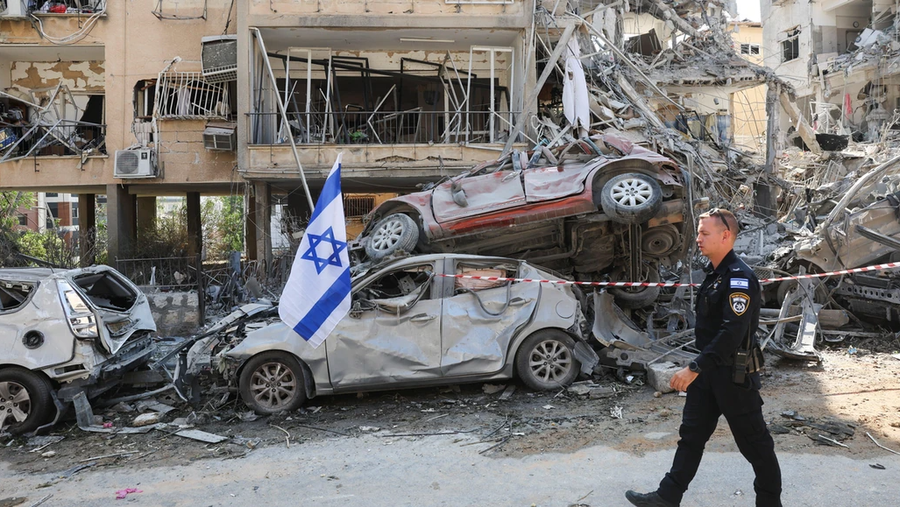
With daily costs approaching 1 billion shekels, Israeli officials are unofficially using budget caps to estimate the likely duration of the war. But strategic goals, U.S. influence and uncertain outcomes make the timing of its end unclear...
No one can say for sure when or how the war with Iran will end, but everyone knows who will have the final say: US President Donald Trump. He seems to relish this fact and is amused when asked about the timeline, without giving any details.
This is not to say that Israeli defense officials and members of the security cabinet do not have a rough idea of the likely duration. Of course, this depends on achievements on the battlefield.
It is reasonable to assume that if Israel and the United States were to take control of the 440 kilograms of enriched uranium, possibly hidden deep in Iran's underground nuclear facilities, the war would end very quickly.
Similarly, if the crowds in Iran were to take to the streets in an attempt to overthrow the regime, that too could trigger an end to the conflict. However, there is an internal contradiction here: as long as the war continues, the Iranian public is afraid to protest in the squares.
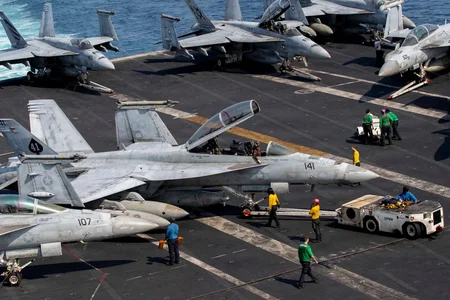
This leaves us to analyze the duration of the war through the “magnifier” of finances. This is an extremely expensive war, with astronomical amounts of ammunition and dozens of fighter jets flying towards Iran every day (200 on the first day alone).
There is also a near-constant drone presence over Iran and about 60 US aircraft serving as mid-air refueling stations. Add to this the cost of interceptor missiles, reservists, and the military front in Lebanon.
Taken together, Israel is spending approximately 1 billion shekels (about $260 million) per day. These are just direct defense costs, not including civilian spending or losses to Gross Domestic Product (GDP).
The first 19 days of the war cost the Israel Defense Forces (IDF) 20 billion shekels ($5.2 billion), while the total budgeted amount for the war is 39 billion shekels ($10.1 billion). If the budget reflects the projected duration, the war is expected to last about 39 days, which means it could end in about 3 weeks. Or, simply put, when the money runs out.
This could happen sooner or later, but it is consistent with recent statements. If there are indeed three weeks left, then the 32 billion shekels ($8.3 billion) in additional funding that the government approved last week, along with another 13 billion for military and civilian costs, remains an underestimate of the real costs.
When the war began, IDF officials demanded that the defense budget be increased from 112 billion to 177 billion shekels. The Finance Ministry resisted, but gave in to pressure from Prime Minister Benjamin Netanyahu, who set the increase at 144 billion shekels ($37.5 billion).
Expense or investment?
The military's message has also been embraced by Finance Minister Bezalel Smotrich, who declared: "This is not an expense. It is an investment!" The military is calling the war a historic opportunity to change the Middle East.
Iran is weakened, Hezbollah is under pressure, and, if all goes according to plan, the campaign will end with the repelling of threats for many years to come. By this logic, this is an “investment” because it will attract foreign investment, increase military exports, and improve Israel’s credit rating.
However, this rhetoric resembles that of startup entrepreneurs seeking investors. But here, the “product” is defense. If successes are achieved that reduce risks, the question arises: why should we maintain defense budgets that are double those before the attack of October 7, 2023?
Either the achievements are not as permanent as claimed, or the public will have to be told the bitter truth about the cost of security in the future./ Pamphlet from "Haaretz"



Lini një Përgjigje