


 Shkruar nga Federiko Rampini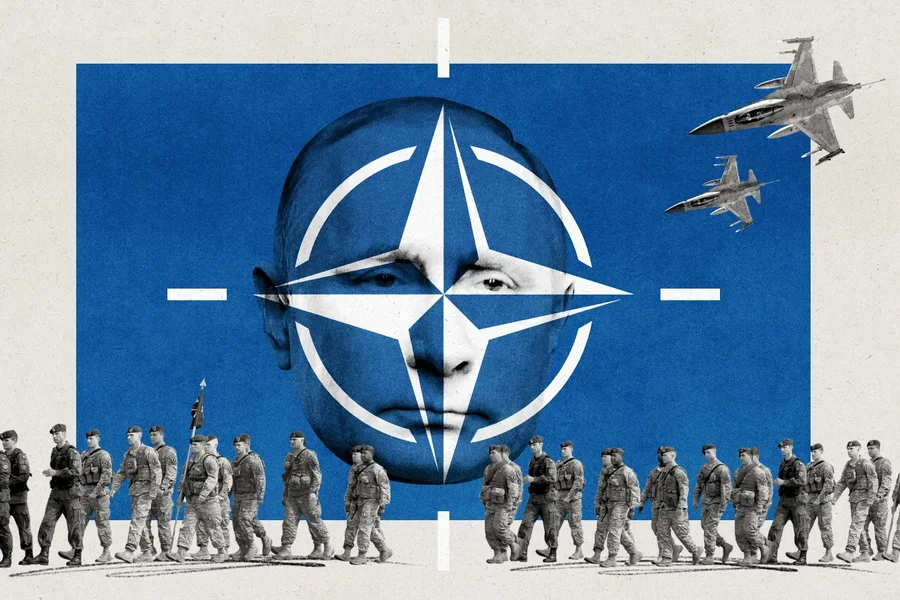
All of Europe has sunk into a long geopolitical hibernation, a hibernation filled with dreams and utopias: the illusion of being the first "herbivorous superpower" in history, capable of exerting great global influence only because of the goodness of the model its civilian, essentially unarmed...
I declare myself "regretful" for NATO. The Atlantic Pact turns 75 years old. It is an anniversary full of concerns for the future. NATO with its insufficient and delayed assistance has failed to stop Vladimir Putin's advance in Ukraine.
The shock of the Russian invasion initially strengthened NATO, prompting Finland and Sweden to abandon their ancient neutrality and side with the West. But the political geography of the Alliance is one thing, its current defense capacity is another.
Many European militaries and many European military industries are at historic lows. During the Cold War, Europe lived in the shelter of American defense, as a security parasite, investing little in its armed forces. After 1991 and the dissolution of the Soviet Union, it even went towards a further weakening and dismantling of its defenses.
All of Europe has sunk into a long geopolitical hibernation, a hibernation filled with dreams and utopias: the illusion of being the first "herbivorous superpower" in history, capable of exerting great global influence only because of the goodness of the model its civilian, essentially unarmed. Meanwhile, Putin was preparing to rebuild the Russian empire. But neither with the war in Georgia in 2008, nor with the annexation of Crimea in 2014, nor with the aggression against Ukraine in 2022, Europe has not changed its pace. The Russian threat was not enough to change the "pacifist" illusion of public opinion.
Isn't the fact that for 75 years, i.e. for four generations, Europeans have lived in peace, security, with a high level of freedom and rights, because they are protected by NATO?
I declare myself sorry for NATO, because when I was young I was part of the anti-Atlantic front. I took to the streets against NATO when I was twenty years old, like many of my generation. I have very personal and precise memories of the USSR during the communist period: at the age of 21 I made my debut in the press of the PCI, then led by Enrico Berlinguer; since I had grown up abroad and spoke several foreign languages, I was often included in official delegations visiting the congresses of "fraternal" parties: Moscow, Leningrad (now St. Petersburg), Warsaw, East Berlin.
Në Itali jetoja kur, në gjysmën e dytë të viteve 1970, Moska u përpoq të thyente solidaritetin e Atlantikut duke testuar ombrellën bërthamore amerikane mbi Evropën Perëndimore. Ushtria e Kuqe mund të vendoste koka bërthamore në një distancë të shkurtër nga kufijtë tanë, plus ajo kishte mbështetjen politike të një pjese të opinionit publik në vendet evropiane të NATO-s: nga partitë e forta komuniste të Italisë dhe Francës, te pacifistët, të cilët adoptuan sloganin "më mirë e kuqe. se i vdekur".
Dyshja franko-gjermane qëndroi e vendosur në favor të një përgjigjeje të vendosur nga NATO (vendosja e raketave Euro), falë marrëveshjes midis kancelarit socialdemokrat Helmut Schmidt dhe presidentit liberal Valéry Giscard d'Estaing, por rrugët e Evropës ishin plot me demonstrata, pra de facto neutraliste dhe objektivisht pro-sovjetike.
Raketat SS-20 të instaluara nga BRSS në 1977, me koka bërthamore të drejtuara në territorin e Gjermanisë Perëndimore dhe vendeve të tjera evropiane, ishin një përpjekje tinëzare duke ndezur mundësinë të një konflikti bërthamor të kufizuar në teatrin evropian. BRSS dëshironte të fuste në qeveritë dhe opinionin publik të Evropës Perëndimore dyshimin se Shtetet e Bashkuara nuk mund të ndërhynin në mbrojtjen e tyre, duke qenë se sulmi atomik nuk kërcënonte territorin amerikan.
Socialdemokrati Schmidt dhe liberali Giscard i kërkuan Amerikës së demokratit Jimmy Carter të instalonte raketa euro jo vetëm për të balancuar SS-20, por për të konfirmuar solidaritetin Atlantik dhe kohezionin e Aleancës.
Demonstratat në të cilat mora pjesë në sheshet e Romës dhe Milanos ishin mbresëlënëse, por mobilizimi i së majtës gjermane ishte edhe më masiv. 400,000 demonstrues pushtuan rrugët në përpjekje për të bllokuar një votim në Bundestag i cili në 1982 hapi rrugën për instalimin e Euroraketave.
Në ato demonstrata oqeanike shpirti pacifist i Gjermanisë i dha jetë "lëvizjes masive më të madhe dhe më heterogjene në historinë e Republikës Federale", siç e përkufizoi studiuesi Hans Kundnani. Ajo lëvizje u drejtua nga ish-kancelari socialdemokrat Willy Brandt (karriera politike e të cilit u ndërpre kur u zbulua se spiunët sovjetikë ishin midis bashkëpunëtorëve të tij) dhe intelektualë prestigjioz si fituesi i çmimit Nobel për letërsinë, Günter Grass.
Një njeri i së majtës si Schmidt nuk u lëkund dhe historia dëshmoi se kishte të drejtë. Ne nuk vdiqëm në Holokaustin bërthamor, as nuk u bëmë koloni të Moskës. Popujt që kishte shtypur BRSS, sapo u çliruan nga zgjedha, nxituan të hyjnë në NATO për t'u mbrojtur nga rikthimi i imperializmit rus . Një tjetër lider i madh i së majtës evropiane, socialisti francez François Mitterrand trashëgoi pozicionin mbi Euroraketat nga liberali Giscard dhe e bëri atë të tijin. Një njeri me shpirt, Mitterrand kishte këtë linjë të vyshkur për të përmbledhur ngjarjet e atyre viteve: "Raketat janë në Lindje, pacifistët janë në Perëndim".
Afterwards, NATO was accused of other atrocities, such as participation in the war in Afghanistan. But that military intervention was provoked by the massacre of innocent civilians on September 11, 2001, organized by Al Qaeda starting from its Afghan bases and under the protection of the Taliban. The same people who denounced NATO's war in Afghanistan as a criminal act, once our troops withdrew in the summer of 2021, turned the accusations around by talking about treason.
Four generations of Europeans owe much to NATO: the privilege of living in an area of the world spared from war, benefiting from unprecedented prosperity and progress. Nothing guarantees that the future will be so bright. Now everyone is pointing the finger at Donald Trump: even before the American elections are held, he has already been designated as the culprit for the collapse of NATO.
Indeed, Trump has at times raised the possibility of America leaving the alliance. But the wind of isolation is also blowing on the American left, just listen to two independent and very radical candidates like Robert Kennedy Jr. and Cornell West. Moreover, NATO has been sabotaged from within, for decades, by Europeans who do not believe in it. Have 75 years of history taught us nothing? Not if everyone reinvents history based on their own ideological certainties and refuses to recognize mistakes. I made a mistake when I was twenty and I don't want to repeat the same mistake. / Adapted "Pamphlet" from "Corriere Della Sera"




Lini një Përgjigje