


 Shkruar nga Pamfleti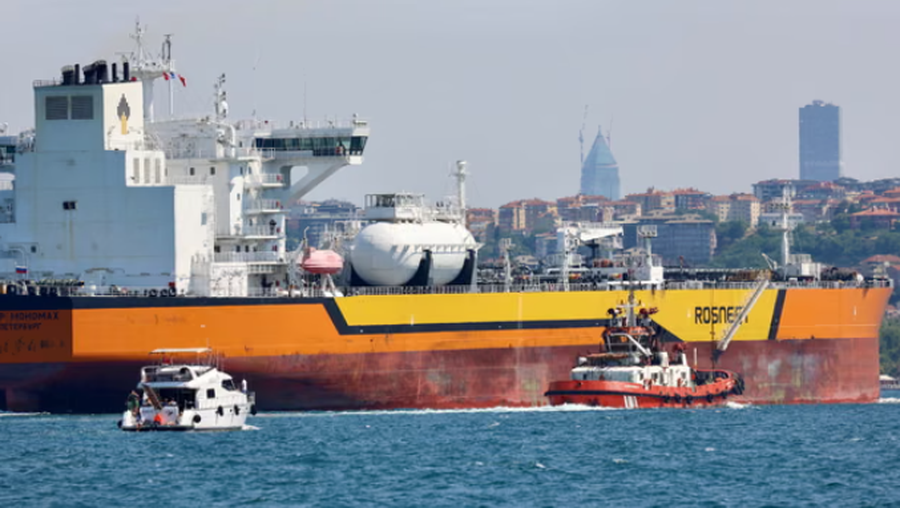
Experts say President Trump's crackdown on Russia's fossil fuel revenues is a chance to bring peace to Ukraine and profit to the US.
Donald Trump's stated mission to broker peace in Ukraine could be scaled back. Can the US president convince the world to stop buying Russian fossil fuels?
Last week, Trump imposed sanctions on Russia's two largest oil companies, Rosneft and Lukoil, in an attempt to harm Moscow.
Tom Keatinge, founding director of the Center for Finance and Security (CFS) at the defense think tank Russia, said: “The US has been more effective in 24 hours than the EU has been in the last six months. Trump is willing to say what many others are too diplomatic to say out loud.”
The sanctions mean that companies that buy Russian oil risk losing access to the dollar-based financial system. This could have major consequences, especially for India and China, which have been the largest importers of Russian oil and gas since the Kremlin's full-scale invasion of Ukraine more than three and a half years ago.
Economic hardship
The impact has been immediate. Within hours, the sanctions caused a 6% increase in global oil prices and there were reports of an immediate disruption of Russian oil supplies to major refineries in India (Moscow's largest crude oil customer) and to China's largest state-owned oil companies.
Luke Wickenden, an analyst at the Centre for Research on Energy and Clean Air (Crea), said a significant drop in fossil fuel imports to Asia would be "devastating" for the Kremlin's export revenues.
“Between January and September of this year, 86% of Russia’s crude oil exports, including pipeline shipments, went to China and India. If Moscow lost access to these markets, it could lose approximately $7.4 billion in monthly revenue, which translates into approximately $3.6 billion in tax revenue per month flowing directly into the Kremlin’s war coffers ,” Wickenden said.
"However, there is some hope. In September, Russian crude oil imports from India's state-owned refineries fell to their lowest levels since May 2022, falling by 38% month-on-month. If India alone were to reduce imports of Russian crude oil, the Kremlin could lose approximately $1.6 billion in monthly tax revenue ," he added.
Të ardhurat mujore të Rusisë nga eksporti i karburanteve fosile ranë me 4% muajin e kaluar, niveli më i ulët që nga pushtimi në shkallë të plotë ndërsa tani të ardhurat janë sa gjysma e asaj që ishin në shtator 2022.
Por, ndërsa të ardhurat janë dukshëm më të ulëta se sa ishin, ato mbeten të mbështetura nga blerjet e naftës dhe gazit nga blerësit në Azi dhe Evropën Lindore dhe dërgesat e gazit natyror të lëngshëm (LNG) të transportuar me transport detar në BE. Kuptohet gjithashtu që Rusia eksporton miliona ton naftë të papërpunuar nëpërmjet të ashtuquajturve "cisterna në hije", një flotë anijesh të vjetra që përdoren për të anashkaluar sanksionet perëndimore.
Lëvizja e fundit e Trump për ta detyruar Putinin të humbasë të ardhurat nga lëndët djegëse fosile, erdhi pasi ai mori një përgjigje negative ndaj kërkesave të tij drejtuar Indisë dhe Kinës që të ulnin importet e tyre të energjisë nga Rusia, ose të përballeshin me kushte më të ashpra tregtare si pasojë.
Kina tha se administrata Trump po kërkon “shtrëngim ekonomik” mbi blerjet “legjitime” të naftës nga Rusia dhe deklaroi se do të merrte “kundërmasa të forta” nëse dëmtohen interesat e saj kombëtare.
Trump tha se kryeministri i Indisë, Narendra Modi, i kishte dhënë siguri gjatë një bisede telefonike të zhvilluar këtë javë, se “nuk do të blinte shumë naftë nga Rusia”, pasi edhe ai “dëshiron të shohë fundin e luftës midis Rusisë dhe Ukrainës”. Por, Modi nuk ka konfirmuar publikisht planet për të kufizuar importet e naftës bruto të Indisë nga Rusia.
'Njollë e turpshme' në BE
Sipas Keatinge, për Trumpin, misioni për të shkatërruar dominimin e energjisë së Rusisë ka përfitime të dyfishta.
“Ekziston një mundësi këtu për të sjellë paqe në Ukrainë dhe për të sjellë fitim për SHBA-në”, tha ai.
SHBA-të janë bërë furnizuesi më i madh i LNG-së në Evropë që nga lufta në Ukrainë, e cila shkaktoi importet e gazit rus përmes tubacioneve të thata dhe ngadalësimin e dërgesave të gazit me rrugë detare. SHBA-të përbënin më shumë se 55% të importeve të LNG-së të BE-së vitin e kaluar, nga vëllime të papërfillshme në vitin 2019.
Trump mund të presë që eksportet e gazit amerikan në Evropë të rriten pasi BE-ja ra dakord javën e kaluar të heqë gradualisht të gjitha importet e gazit rus, përfshirë LNG-në, deri në fillim të vitit 2027. Edhe pse varësia e Evropës nga energjia ruse ka rënë, bota ende po e financon Kremlinin përmes blerjeve të naftës dhe gazit rus, të cilat Keatinge tha se ishin "një njollë e turpshme" për BE-në.
BE-ja mbetet blerësi më i madh i LNG-së ruse, sipas të dhënave nga Crea dhe ka blerë gjysmën e eksporteve totale të LNG-së ruse, e ndjekur nga Kina (22%) dhe Japonia (18%). Blloku është gjithashtu blerësi më i madh i gazit të tubacioneve, duke blerë 35% të gazit të tubacioneve të Rusisë, e ndjekur nga Kina (30%) dhe Turqia (29%).
Hungary and Slovakia were the largest importers of Russian gas in the EU last month, buying €393 million and €207 million of Russian fossil fuels respectively. France, Belgium and the Netherlands also continue to import Russian gas.
France was the third-largest buyer of Russian gas in the EU last year, importing €153 million of Russian fossil fuels, all in the form of LNG, some of which was then shipped to Germany. Belgium was the fourth-largest importer, importing €92 million of Russian LNG, while the Netherlands bought €62 million of LNG.
Keatinge added: " The EU has declared that it is accelerating the day by stopping the purchase of Russian LNG in January 2027, but how many Ukrainians will die by then?"
It remains to be seen what the long-term impact of Trump's war on Russia's fossil fuel revenues will be, and whether it can bring peace to Europe and profit to the U.S. Experts have warned that this will depend on how strictly the sanctions are enforced and how those still dependent on Russia's fossil fuels react.
Meanwhile, Keatinge is optimistic. "Never bet against Trump," he said. / Adapted from "The Guardian" by "Pamphlet".





Lini një Përgjigje