


 Shkruar nga Pamfleti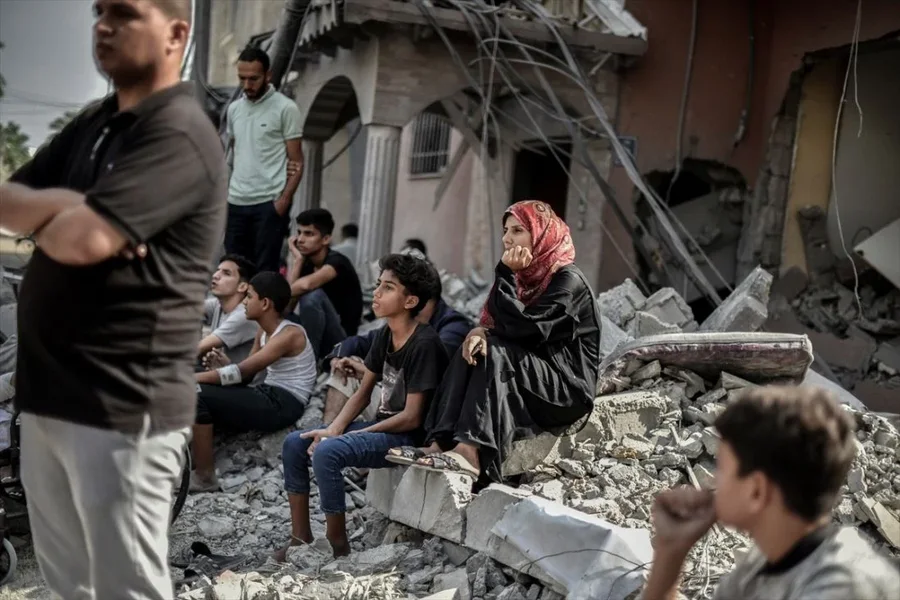
During the years of Israel's blockade of the enclave, Hamas fighters created a network of tunnels dug under the Gaza Strip. For obvious military reasons, their very existence was a closely guarded Palestinian military secret, and even when their presence could no longer be denied, only the vaguest information was allowed to leak, so they are still shrouded mysteriously
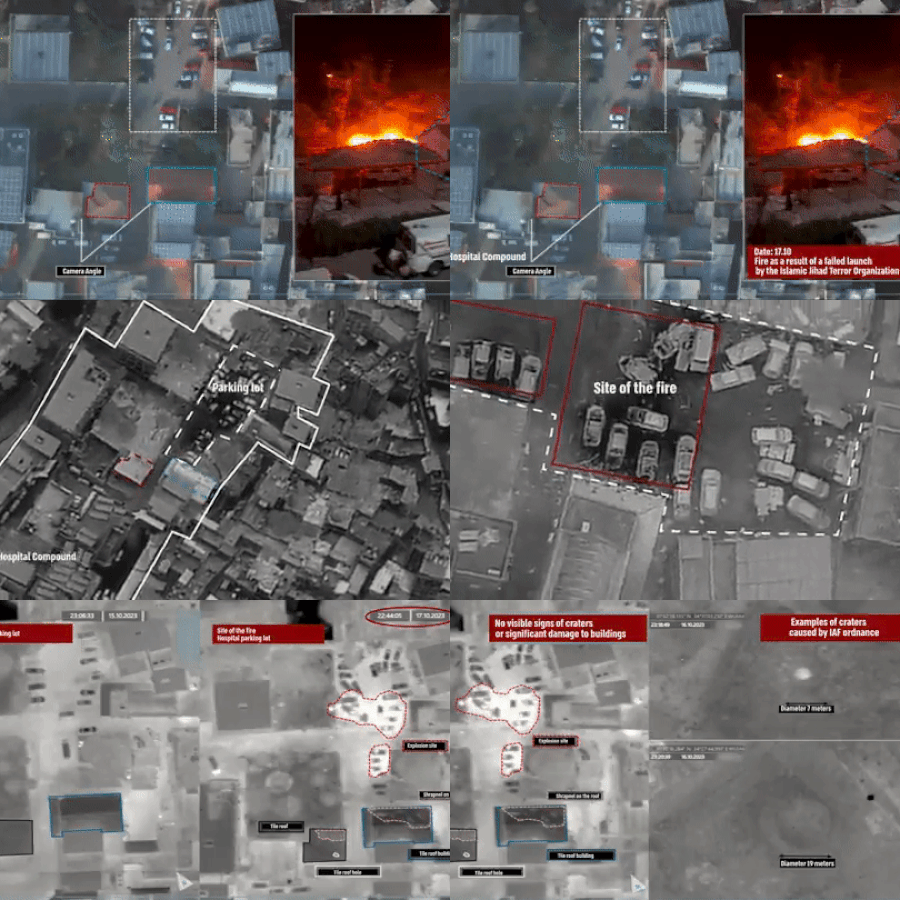
The deadly bombing of the Arab Al-Ahli hospital in Gaza City last night, which killed at least 500 people according to health officials, has sparked global outrage and sparked another round of mutual recriminations.
The Palestinian side believes the explosion was caused by another smart bomb dropped by an Israeli Air Force plane, but Israel was quick to blame Palestinian fighters, claiming the explosion was caused by a rocket fired from Gaza that failed to reach full flight path.
The scant evidence available in the immediate aftermath is insufficient to draw firm conclusions. Only a careful analysis of the debris left in the hospital that should reveal fragments of the outer shell of the detonated device can result in a positive identification.
However, even before this latest attack, there was a growing volume of evidence showing that Israeli airstrikes on Palestinians in Gaza have been largely indiscriminate. The most careful analyzes of the targets fail to reveal a clear military pattern to the relentless airstrikes, forcing a question: What logic drove Israel's call for Palestinians to evacuate northern Gaza last week?
From the perspective of military strategy, there are two possible answers. For Israel, either would be a mistake.
The first possibility could be the desire to create such chaos on the streets of the Gaza Strip that the movement of Hamas fighters would become difficult or almost impossible. This logic would follow classical military thinking, proven many times in different wars. But this is not a classic war with two equal sides, nor are Hamas fighters a classic military formation. Any Israeli approach that does not recognize this cannot guarantee even limited success.
During the years of Israel's blockade of the enclave, Hamas fighters created a network of tunnels dug under the Gaza Strip. For obvious military reasons, their very existence was a closely guarded Palestinian military secret, and even when their presence could no longer be denied, only the vaguest information was allowed to leak, so they are still shrouded mysteriously
It seems that the practice of digging underground passages first began with the need to overcome the Israeli occupation of the territory that lasted until 2005. The first speculations that the Palestinians of Gaza could smuggle goods, military supplies and classic smuggling appeared in the 1990s, at a time when the belt was still under the political control of Fatah.
Fillimisht, ato tunele u supozuan të ishin mjaft të gjata për të kaluar nën gardhe kufitare me Egjiptin me hyrje në të dy anët e fshehura nga shtëpitë. Ata vrapuan për disa qindra metra dhe ishin aq të vegjël sa njerëzit duhej të strukeshin për t'i përdorur. Kushdo që vizitoi tunelin e Sarajevës, një strukturë e gërmuar me nxitim nga ushtria e Bosnje dhe Hercegovinës në mesin e vitit 1993 për të lehtësuar rrethimin e qytetit, mund të imagjinojë se si dukeshin tunelet e hershme Egjipt-Gaza: një tub i ngushtë dhe i ngushtë i gërmuar me dorë me tavanin e ulët të mbajtur nga trarët dhe shtyllat.
Me kalimin e kohës, tunelet ndërkufitare u bënë mjete shumë efektive për kontrabandimin e furnizimeve në Gaza. Rrjeti u zgjerua edhe brenda territorit palestinez, duke lejuar lëvizjen e lirë larg civilëve kureshtarë, të cilët mund të kishin qenë informatorë të armikut dhe pajisje vëzhgimi izraelite, duke filluar nga satelitët, aeroplanët dhe helikopterët e deri te dronët pa pilot. Në këtë proces, gërmuesit u bënë shumë të aftë dhe përmirësonin cilësinë e objekteve nëntokësore.
Videot e Hamasit të publikuara javën e kaluar tregojnë tunele me përmasa të mahnitshme dhe të sofistikuara, të ndërtuara nga elemente të parafabrikuara të betonit, të gjatë dhe mjaft të gjerë për të lejuar jo vetëm lartësinë në këmbë dhe gjerësinë e mjaftueshme për luftëtarët të lëvizin me një ritëm të shpejtë, por edhe hapësirë të mjaftueshme për të veprojnë si depo e mbrojtur mirë për armët dhe municionet, duke përfshirë raketat.
Shtrirja dhe vendndodhja e saktë e tuneleve nuk dihet, por nuk ka dyshim se rrjeti është i gjerë dhe se ato lejojnë lëvizjen efikase të trupave dhe municioneve nën tokë. Për të gjitha qëllimet praktike, forca luftarake relativisht e vogël e Hamasit mund të rishpërndahej nga një përleshje në tjetrën përmes tuneleve, si në operacione mbrojtëse ashtu edhe në sulme. Pra, nëse urdhri i Izraelit që njerëzit në Gazën veriore të largoheshin kishte për qëllim ngadalësimin e dislokimit të trupave të Hamasit, ky është një keqinterpretim i realitetit tokësor ose më mirë nëntokësor.
Linja e dytë e mundshme e të menduarit nga komandantët ushtarakë izraelitë për urdhrin mund të jetë dëshira për të zbrazur zonën nga joluftëtarët dhe për ta bërë ofensivën më të thjeshtë dhe më të lehtë për t'u kryer.
Në teori, ka një logjikë të shëndoshë në këtë: nëse shumica e civilëve evakuohen, sulmuesit mund të supozojnë se kushdo që është ende i pranishëm në terren është një luftëtar, dhe kështu një objektiv legjitim ushtarak. Për më tepër, një zhvillim i tillë do të pakësonte viktimat civile kolaterale dhe do të reduktonte akuzat se Forcat e Mbrojtjes izraelite vrasin pa dallim civilë.
In reality, Israel must have known – as the United Nations and numerous humanitarian organizations have pointed out – that it would be impossible for 1.1 million people in an already densely populated territory to move overnight, especially under siege conditions where food , water, medicine and fuel are in short supply.
But even if all non-combatants followed the directive and miraculously managed to get out of the northern areas, an Israeli ground offensive would not be an option at all, despite their disproportionate advantage in trained, armed and armored infantry. equipped, unassailable total air control and dominance in sophisticated high-tech equipment of the latest generation.
An old military maxim states that a commander can only consider territory taken when the boots of his soldiers are on the ground in every corner and center of that area. A dense, rubble-strewn urban terrain, where buildings have already been destroyed or largely damaged by aerial bombardment and preparatory artillery fire, is arguably the most demanding and challenging type of terrain for military advancement.
When you look for a precedent, Stalingrad comes to mind. Despite their superior military training and experience and vast technical superiority, the German armies there fought for eight months to take the ruined city, only to be overcome by the determination and sacrifice of the Soviet defenders.
In half-destroyed cities, attackers are in a much more difficult situation than in any other terrain, and the classic 3:1 ratio needed for an attacking army to have a chance of success is not enough, with a 5:1 ratio or higher.
Paradoxically, if civilians in Gaza listen to Israeli demands and liberate the north, they will make it easier for Hamas fighters to fight since they will not have to worry about the effects of their actions on their brothers and sisters. their sisters. They could strike anyone who moved on the ground without a second thought, knowing that their comrades would just as practically use the underground corridors to disappear from one place and suddenly reappear somewhere else.
Israel is surely preparing for the next phase. In the coming days, we will explore his military options, abilities and possible tactics. /Adapted 'Pamphlet' from 'Al Jazeera'




Lini një Përgjigje