


 Shkruar nga Pamfleti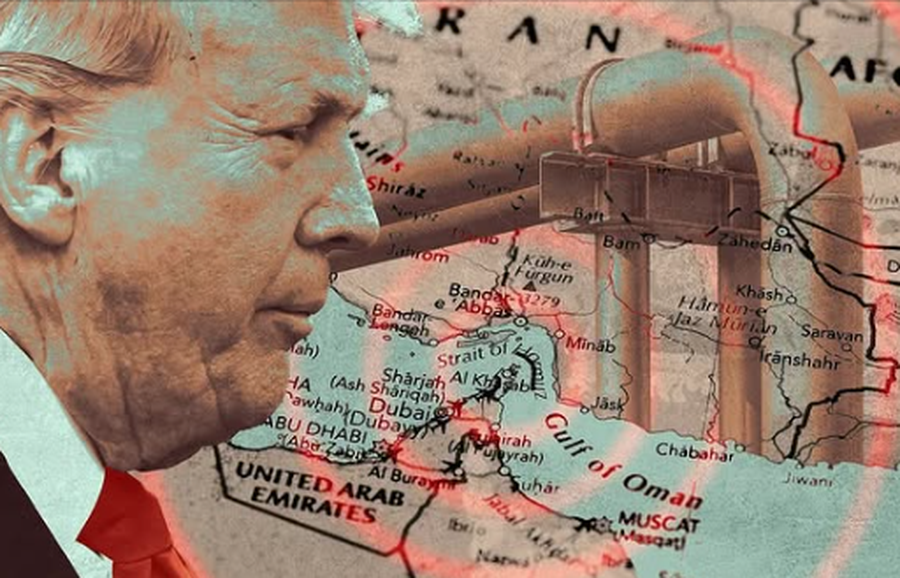
Will Trump strike or will we have peace?
The world is entering a crucial hour, as US President Donald Trump's ultimatum to Iran nears expiration and tensions in the Middle East have reached a critical level.
The deadline set by Trump, 8:00 PM Eastern Time (2:00 AM in Albania), requires Iran to accept a deal and open the Strait of Hormuz, or face severe military strikes.
The situation further escalated after Tehran cut off all contacts, direct and indirect, with the United States, including mediation channels through Pakistan.
The cause was the harsh rhetoric of the American president, who in a post on Truth Social warned that "an entire civilization will die tonight", a statement that caused strong international reactions and debate even within the US.
Former White House communications director Anthony Scaramucci interpreted the language as a possible signal for the use of nuclear weapons, calling for Trump's immediate removal from office. The White House, on the other hand, denied any such scenario.
Meanwhile, developments on the ground indicate that the escalation may have begun even before the ultimatum expires. Attacks have been reported near strategic facilities in Iran, including Kharg Island, a key hub for oil exports. US officials clarified that military facilities, not energy infrastructure, were hit.
At the same time, attacks have hit roads, highways and railway lines in parts of Iran, while an attack on a railway bridge has caused casualties. Israeli sources confirm that transportation networks across the country have been targeted.
Despite this, Vice President JD Vance stated that these strikes do not constitute a change in strategy and do not affect the deadline set by Trump.
The rising tensions have also raised international legal concerns. Experts and lawyers warn that targeting civilian infrastructure, including power plants or water systems, could constitute a war crime under the Geneva Conventions.
“We are looking at a direct threat that would have catastrophic consequences for civilians,” said Margaret Donovan, a former US Army lawyer.
Meanwhile, several countries – including Gulf states – have privately warned the US administration about the potential consequences of such an attack, fearing Iranian retaliation against their infrastructure.
Despite these concerns, Trump has defended his stance, stating that the real danger is "allowing Iran to have nuclear weapons."
In this climate of extreme tension, countries in the region have begun to take emergency measures, while citizens are warned to stay in safe environments.
With the hours ticking away towards the expiration of the ultimatum, the Middle East remains "on a razor's edge," while any decision in the coming moments could determine whether the crisis will turn into an open conflict with global consequences.



Lini një Përgjigje