


 Shkruar nga Pamfleti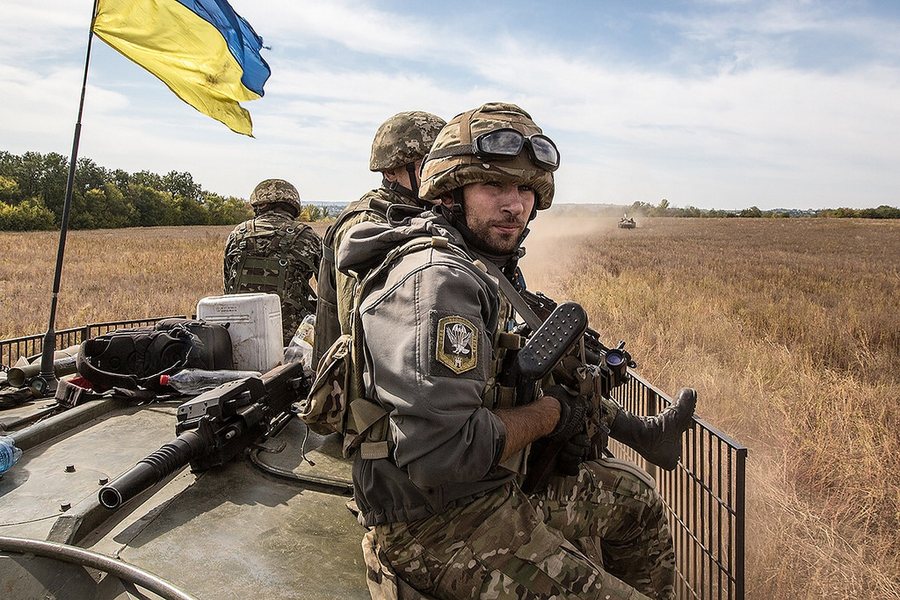
Ever since it was seen that Russia failed to invade Ukraine in the first weeks of the war, everyone has repeated only one expression for more than two years in a row, that the end of the war is not in sight.
But, in recent weeks, the situation has changed, starting from the movements on the battlefield, as well as the public attitudes of the elected American president, Donald Trump, who returns to the White House on January 20. He has vowed to end Europe's biggest conflict since World War II within a day or two.
So, will the war in Ukraine end in 2025?
If the end means a peace deal, then no, many analysts say — largely because Russian President Vladimir Putin opposes the idea, unless Moscow has a degree of dominance over Ukraine that is unacceptable to Kiev and its allies. .
Experts believe that Putin wants Russia to pose a constant threat to Ukraine and challenge the West, which it considers the aggressor in the civilizational confrontation.
Ukrainians, on the other hand, do not want peace if it means the final surrender of some territory to Russia, and if they have to give up demands that Russia be held accountable for the crimes it has committed against Ukraine and its people.
"I think we are very, very far from ending the war," said Nigel Gould-Davies, senior research fellow on Russia and Eurasia at the International Institute for Strategic Studies in London.
Calls for a ceasefire are highly likely, given Trump's promises to end the war quickly. Likewise, the possibility of starting negotiations is great.
"The situation is such that [Trump] can convince the Russians and the Ukrainians to talk to him and to each other," Olga Oliker, director of the Europe and Central Asia program at the Crisis Group, said in several responses to Radio Free Europe.
"We could see some sort of de facto, if not de jure, ceasefire, some sort of negotiation, whatever the format, around 2025," said Sam Greene, a professor at the Russia Institute at King's College London, in several responses to Radio Free Europe.
Land and security
There are many pitfalls within a ceasefire, including the risk that Russia could use it as an opportunity to regroup and launch attacks again unless the Ukrainians are fortified with advanced defenses.
There are also many obstacles to reaching an agreement, some stemming from the very extreme positions the parties have on essential aspects of the conflict.
One of them is the territory. A cease-fire agreement seems more likely now than in the past because of the signs that Ukraine has given, according to Oliker - "crushing fatigue" as a result of Russia's continuous victories on the battlefield. prepared for any agreement that the lands now controlled by Moscow remain under Russian control for a temporary and unofficial period.
But this would not be enough for Putin. He and other Russian officials have said that the recognition of four Ukrainian provinces as Russian land is not negotiable, and precisely this position is unacceptable for Kiev.
Another major obstacle is due to the need for serious and effective security guarantees for Ukraine.
Russia is firm in its opposition to Ukraine's NATO membership.
One of the main demands of Moscow before the start of the full war was the guarantee that Kiev would never become a member of the North-Atlantic alliance. Analysts believe that the Kremlin will be out of any agreement that could foresee Ukraine's eventual membership in this Western military organization.
If the Western supporters of Kiev try to bring this talk, to build a content that does not sound like a form of guarantee, Putin will make it clear that he does not accept it, estimates Gould-Davies.
"It is very, very difficult what it will look like", he said, regarding the security guarantee for Ukraine, which would be favorable for both sides.
His 'theories of victory'
There has been a lot of discussion in recent weeks about the idea of sending Western military troops to Ukraine in the event of a ceasefire. However, even on this point there are disagreements in Europe, and Russia could not be happier.
"The Kremlin does not want to see Western troops, especially NATO, across the cease-fire control lines," Greene said, because "Russia will aim to retain the power of initiative. She wants to be in control when it comes to escalation, and she doesn't want to see the other parties, whether the Ukrainians or the West, balanced."
"The question is whether [Kiev or the West] will be able to push Moscow into a position where it has no chance, unless it accepts that kind of agreement," he said.
Although Russia has made little progress on the battlefield, its economy is far from collapsing, despite the warning signs and uncertainty about future Western support for Ukraine.
“At this point, [Putin] believes that his theory of victory is being proven, that Russia is big and tough enough to inflict long-term damage and great costs on his little enemy, Ukraine. but also to keep the West politically irritated", said Gould-Davies.
“Diçka që mund të ndryshojë këtë situatë dhe ta detyrojë Putinin të ketë qasje tjetër në të ardhmen, është nëse do të ketë presion të vërtetë nga administrata Trump, duke e kërcënuar me kosto të madhe nëse vazhdon lufta, dhe nëse e bën Putinin të besojë se edhe regjimi i tij mund të rrezikohet”, ka thënë ai.
Përtej sugjerimit se do të përdorë ndihmën për Ukrainën si mjet ndikimi mbi Kievin dhe Moskën, Trump ka thënë pak për mënyrën se si shpreson t’i japë fund luftës.
Teksa pret nisjen e mandatit të ri të Trumpit, Putin duket se po luan lojë të dyfishtë, diçka që e bën shpesh, duke dërguar mesazhe kontroverse – duke e përshkruar Rusinë si konstruktive dhe të përgatitur për koncesione, por edhe duke përjashtuar çdo mundësi që mund të jetë e pranueshme për Kievin dhe Perëndimin.
Duke marrë shembull konferencën e fundit me gazetarë, që ka zgjatur mbi katër orë, ai ka thënë shpesh se Rusia është e gatshme për kompromise me Ukrainën, por ka thënë edhe shumë gjëra tjera që e kanë sugjeruar të kundërtën.
‘Gjithçka rrotullohet te lufta”
Putin e konsideron presidentin ukrainas, Volodymyr Zelensky si lider jolegjitim, me të cilën nuk do të nënshkruante një marrëveshje. Ai ka dhënë edhe sinjale që e ashtuquajtura Komunikatë e Stambollit - një marrëveshje kornizë që ka qarkulluar pak para se të dështonin bisedimet mes Moskës dhe Kievit në ditët e para të luftës - duhet të shërbejë patjetër si bazë për negociata.
“Ajo çfarë dëshiron të thotë Putini është se pikat e asaj marrëveshjeje përcaktojnë një Ukrainë neutrale, që jo vetëm se i ndalohet anëtarësimi në NATO, por parashihet edhe çmilitarizimi i saj, dhe kështu mund të jetë shënjestër tepër e lehtë për Rusinë në të ardhmen”, ka thënë analisti për Rusinë, Mark Galeotti.
“Ai po tenton ta bëjë procesin sa më të çuditshëm, por ndërkohë të tingëllojë sa më fleksibil që është e mundur”, ka thënë Galeotti në podkastin e tij më 22 dhjetor.
Greene ka sugjeruar se Rusia mund të jetë e përgatitur “të zvogëlojë dhunën” dhe të konsiderojë ndonjë armëpushim, vetëm nëse Putini është i bindur që Moska do të vazhdojë të kërcënojë Ukrainën dhe do të ketë ende mospajtime me Perëndimin.
“Ekonomia ruse është duke funksionuar vetëm për shkak të luftës. Sistemi politik rus është i ndërtuar rreth luftës. Kjo flet për nivelin e centralizimit, shtypjes, kontrollit ideologjik”, ka thënë ai për Radion Evropa e Lirë.
“Nëse Rusia arrin me sukses te armëpushimi, besoj se do ta gjejë veten duke tentuar të mbajë një nivel përballjeje që e ka aktualisht me Ukrainën, por edhe me gjithë Perëndimin”.
‘Gabim i madh’
Oliker beson që edhe me pozicionet e ashpra të Rusisë për çështjet e territorit, një marrëveshje nuk është e pamundshme, nëse palët ulen për të negociuar.
“Ekziston avantazhi i nisjes së bisedimeve. Kur ato të nisin, njerëzit nisin t’i mendojnë koncesionet që nuk i kanë menduar para se të uleshin në tavolinë”, ka thënë ajo.
“Secili niset me idetë e tyre maksimale, secila mendon ashtu në fillim”.
The agreement may not be reached in 2025. However, if the talks are held and an agreement is drawn up, analysts warn that Western countries should be careful and not glorify themselves and see this as a closed topic.
"Europe's response to any ceasefire will be very important - both for Ukraine and for itself," said Ruth Deyermond, senior lecturer in the Department of War Studies at King's College London, in written comments for Radio Free Europe.
“As many states are dealing with their own internal turmoil [often fueled by Russia] they may be tempted by the possibility of ending the conflict and may see this as an opportunity to revive ties with Russia. Something like that would be a big mistake," she wrote.
"Russia will continue to pose a threat to European security"./ REL


Lini një Përgjigje