


 Shkruar nga Pamfleti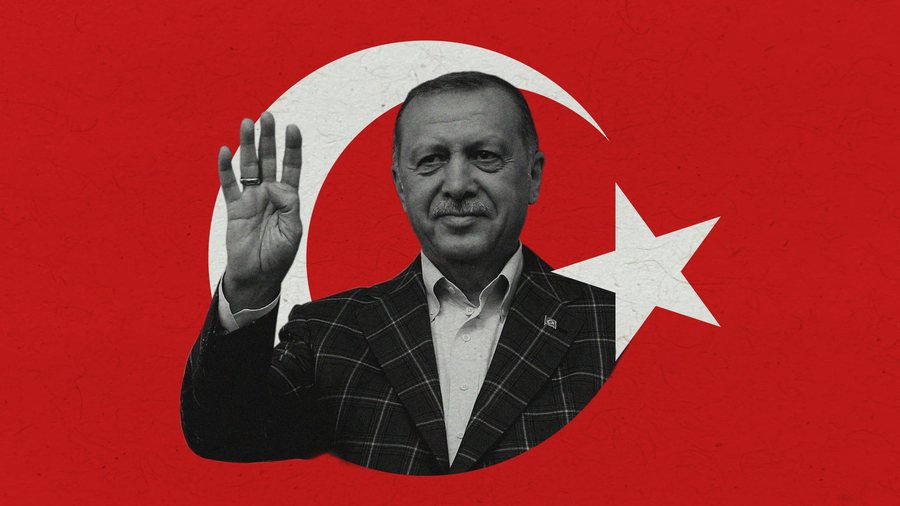
Erdogan has always known how to play his cards in the international arena, playing with several gates. What about Russia, what about the USA and what about the Arabs...
In the days leading up to the last NATO summit in Vilnius, all the main actors in this event nervously watched the movements of one of the members of the Alliance. In particular, the main 'shareholder', the United States, along with special guests: Sweden, a candidate to join the Alliance, and poor Ukraine, which fifteen years after the NATO Summit in Bucharest in 2008 , where her upcoming entry into the organization was announced, had to settle for an essentially identical conclusion to that of fifteen years earlier.
In their eyes was Turkish President Recep Tayyip Erdogan. For several days he kept everyone in suspense before offering his consent to Sweden's entry into the Atlantic Alliance, however taking care to add that the final word will be with the Turkish Parliament, in the context of restarting the accession process. Turkey in the EU.
The President of the EU Commission, Ursula von der Leyen, declared that Sweden's entry into NATO is a "historic step", while the Secretary General of NATO, Jens Stoltenberg, asserted that "Turkey is closer to the EU". . Nothing better than these two intertwined statements illustrates how overlapping the two organizations are.
Leaving aside the supporting actors, i.e. the current leaders of NATO and the EU Commission, it is more appropriate to focus on the protagonists, those who - for better or for worse - have made and are making history. In this first glimpse of the 21st century, the Turkish President appears to be at ease in this latter role.
In the last two decades, it is difficult to find a leader more unpredictable, but at the same time more charismatic than the current president of Turkey.
There has not been a single international issue in these two decades where Turkey has not played a role: NATO, the EU, Iraq, Syria, Libya, Afghanistan, Ukraine, the conflict between Azerbaijan and Armenia, the Israeli-Palestinian conflict, the Kurdish issue, terrorism, Spring Arab, political Islam, migratory flows, energy files, food security, etc.
Of course, Turkish foreign policy has known successes and failures, among the latter, the most important happened in Syria. The attempt to overthrow Bashar Al Assad, carried out so stubbornly by Erdogan, has failed and the collateral damage has been very high. Among these collateral damages, we must certainly not forget the increase in migratory flows towards Europe in 2015.
In Vilnius, Erdogan played his cards right. No one now believes that Turkey will be able to join the EU, but the Turkish leader received a number of benefits: a more open EU visa regime for Turkish citizens and, finally, the US green light to supply new F16 aircraft.
One of the EU's main priorities, the management of migratory flows from the Middle East and North Africa, remains dependent on the will of Ankara, which hosts millions of Syrian refugees and plays a leading role in Libya, from where a percentage depart large migratory flows from Africa.
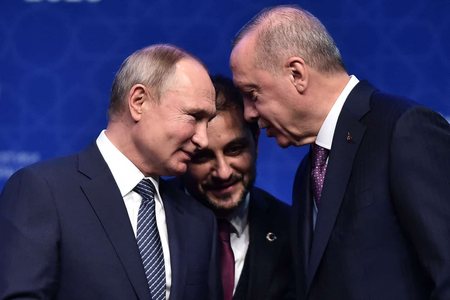
Therefore, Ankara continues to adopt a policy of variable geometry: it is a member of NATO, but does not agree with Western sanctions against Russia, plays the role of mediator in the conflict, but then supports Kiev's aspiration to join the NATO and releases 4 members of the Azov Brigade who were captured in Mariupol.
Pas viteve dhe burimeve të shpenzuara për mbështetjen e Vëllazërisë Myslimane, Turqia e uritur për kapital tani po hapet ndaj Arabisë Saudite dhe Emirateve të Bashkuara Arabedhe sapo ka rivendosur marrëdhëniet diplomatike me Egjiptin. Madje ka zëra për një udhëtim të ardhshëm të presidentit El Sissi në Ankara.
Erdogan duket gjithmonë i gatshëm të ndryshojë pozicionet e tij sipas komoditeteve të momentit. Ai së shpejti mund të bëhet anëtari i parë i NATO-s që do t'i bashkohet BRICS (Brazili, Rusia, India, Kina dhe Afrika e Jugut), grupi që gjithnjë e më shumë është alter ego e G7 në skenën ndërkombëtare dhe e cila do të dukej e orientuar drejt krijimit të monedhës së saj për tregtinë, si një alternativë ndaj dollarit: një gisht i vërtetë në sy drejt Shteteve të Bashkuara, pasojat e mundshme të të cilit janë ende për t'u vlerësuar.
Për këtë arsye ka nisur të përdoret ndjeshëm termi "Erdoganizëm", një kombinim i ideologjisë, përdorimit të forcës, këmbënguljes dhe pragmatizmit.
Ideologjia i ka rrënjët në Islamin politik, i cili i lejon Erdoganit të përfitojë ende nga një zonë e gjerë mbështetjeje në Anadollin e thellë, thelbi i vërtetë i fortë i suksesit të tij politik shumëvjeçar.
Pragmatizmi ndiqet për interesin e pastër të vendit dhe mbi të gjitha interesin e tij personal me një slogan të thjeshtë “dje është dje dhe sot është sot”, pra çdo gjë është e mundur dhe e kundërta e gjithçkaje. Në sjelljen e tij, presidenti turk përdor një dozë frikësimi dhe shprese.
Problemi kryesor i Erdoganit, natyrisht, është Erdogani, veçanërisht kokëfortësia e tij. Në frontin ekonomik, ku gjendja e Turqisë nuk është aspak rozë edhe për shkak të tërmetit të tmerrshëm të fundit, ajo ka miratuar vitet e fundit disa zgjedhje ekonomike që bien ndesh hapur me bazat e makroekonomisë; për shembull, pretendimi për të luftuar nivelin shumë të lartë të inflacionit në vend duke ulur dhe jo duke rritur nivelin e normave të interesit. Me numrin e ministrave të Financave dhe Guvernatorëve të Bankës Qendrore të shkarkuar nga Erdogan në vitet e fundit, mund të formohet një ekip futbolli.
A financial crisis may, in fact, be the main threat facing Turkey, but looking ahead it is likely that even in this latest unfortunate event, Erdogan will have a few rabbits to pull out of his hat. After all, it holds the keys to part of Europe's energy supplies.
So the main question remains: Will Erdoganism survive Erdogan? / Adapted "Pamphlet" from "Inside Over"


Lini një Përgjigje