


 Shkruar nga Andrew Hussey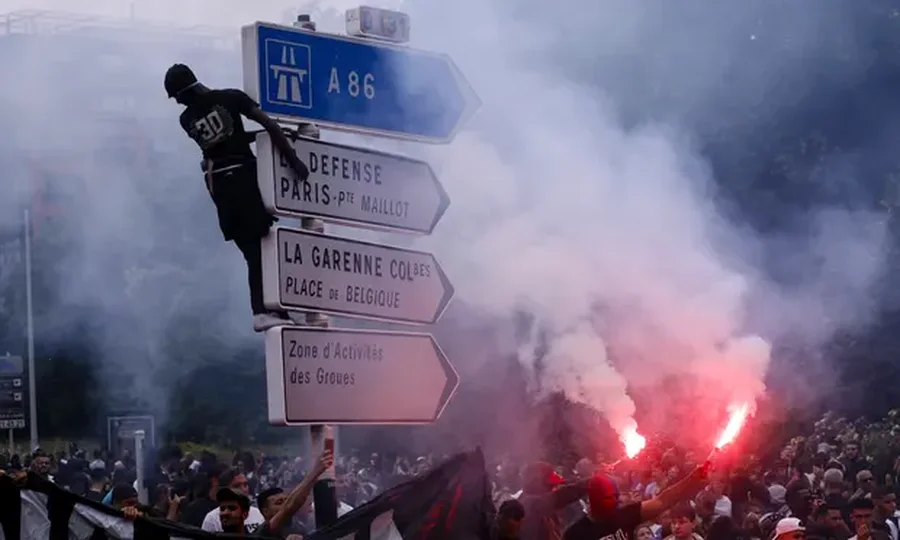
If there is a war in France, it is being waged, at least for now, in symbolic rather than military terms. Amidst all the chaos, it has been evident that the rioters have attacked not only police stations, but town halls, tax offices, schools – every public institution belonging to the French republic...
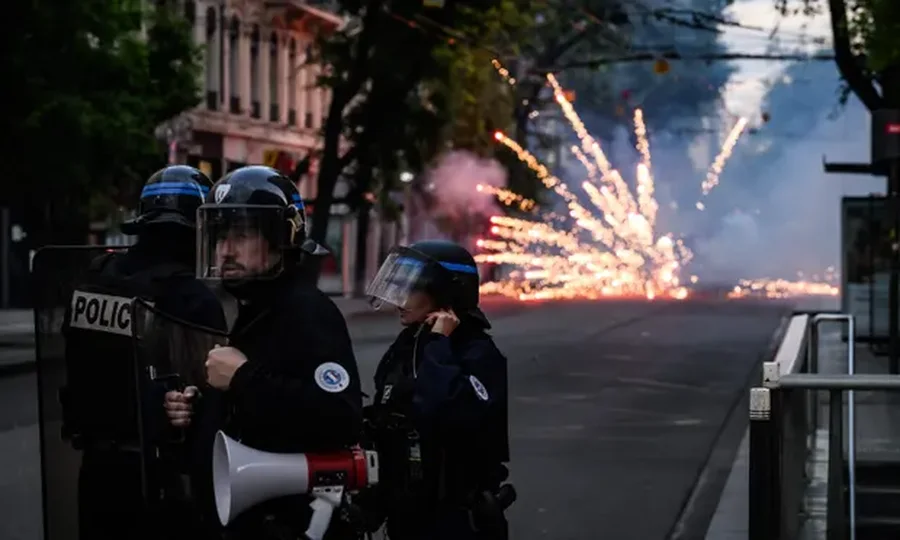
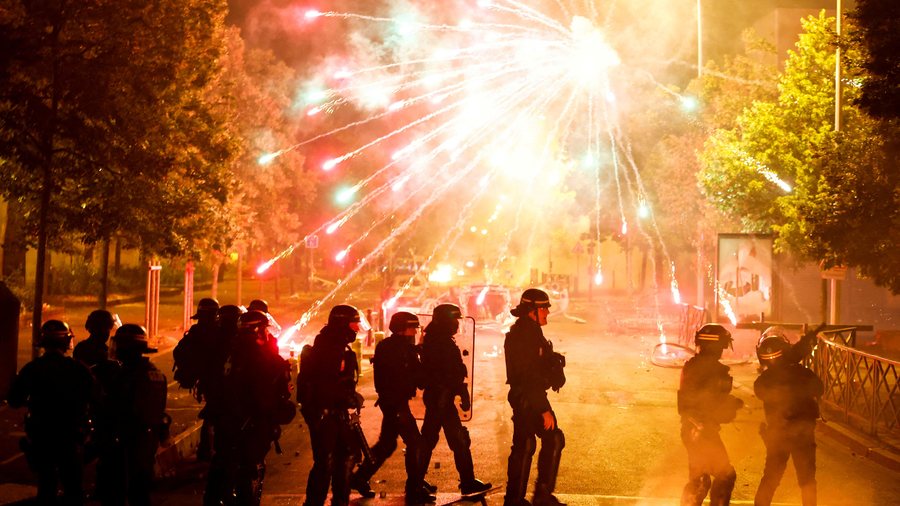
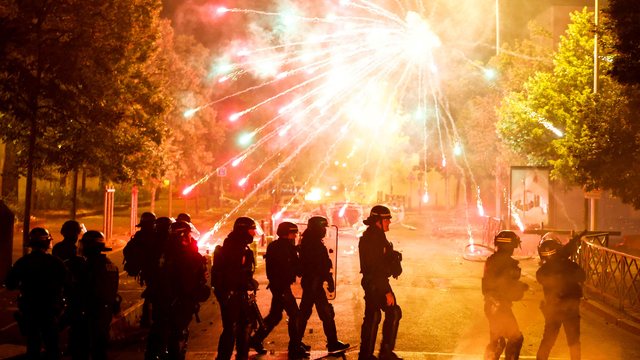
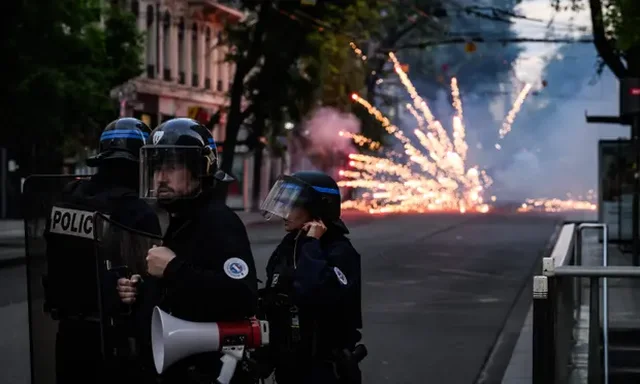
Around 3am last Friday I was woken up by what sounded like gunshots. I wasn't far wrong. From the back windows of my apartment in southern Paris I could see the fireworks being thrown at the police and hear the law enforcement response.
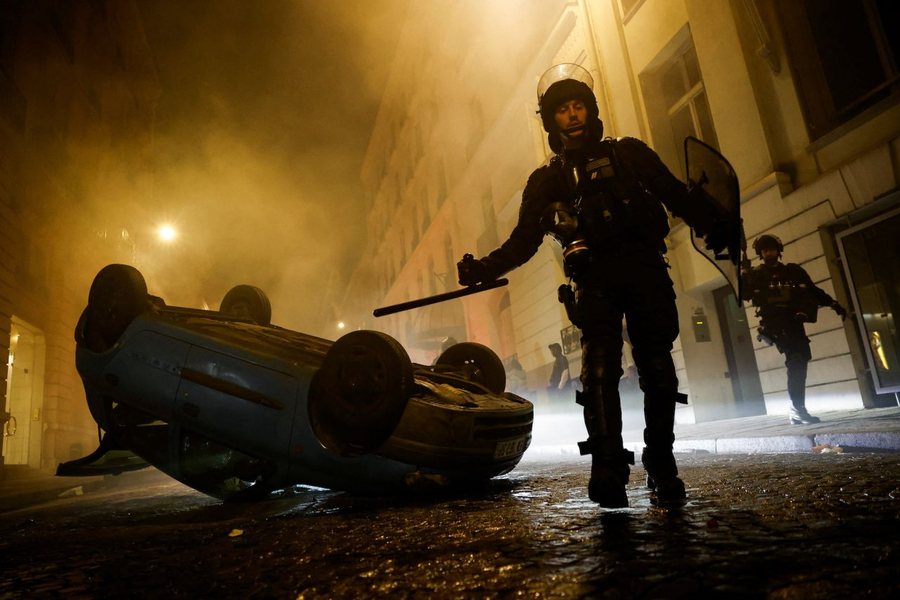
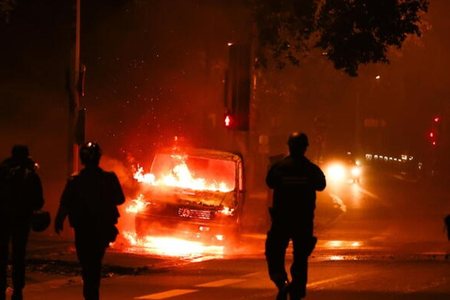
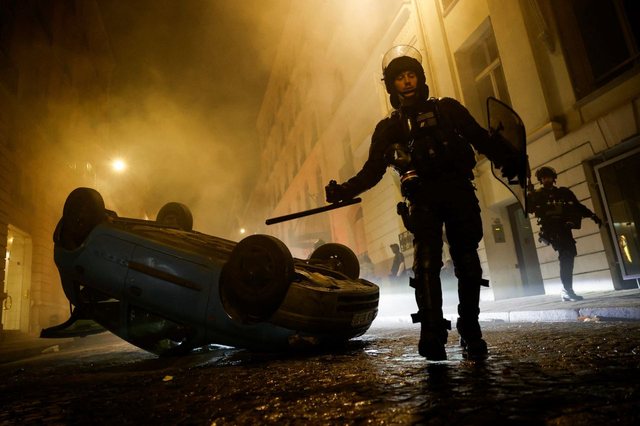
I had spent the evening following the news on the violent riots that spontaneously broke out across France. There were images of burning cars and buildings and lines of heavily armed police - familiar at least to anyone who has lived in France in recent years. But what was most disturbing about these riots was the sheer scale of it all: the violence was not confined to the inner-city flats, but was everywhere, including picturesque towns like Montargis in the Loiret.
I went to bed just after midnight with an uneasy feeling that everything was about to get worse. The next day I walked around my neighborhood, inspecting the wreckage of the night before—burnt cars, motorcycles, and trash cans, a coffee shop that had been raided, and a Chinese restaurant destroyed for no particular reason. At the corner of rue Vercingétorix and rue Alain I spoke to two police officers who were part of a team patrolling the area on bicycles. They were quite friendly but nervous. I asked them about the incident that had caused the riot. They said it was bad, but added that sooner or later something like this would happen. "You have to be constantly tense and alert, ready to attack at any time. It feels like a war zone," he said.
This is also the language used by two French police unions, which issued a statement on Friday saying the police were "at war because we are at war". This inflammatory rhetoric was immediately criticized by left-wing politicians, with Jean-Luc Mélenchon of La France Insoumise tweeting that police unions should "shut up" given the "murderous behavior" provoked by such statements. Meanwhile, Éric Zemmour, the far-right journalist-turned-politician and former presidential candidate, continues to describe the unrest as "the first traces of a civil war."
Kjo nuk është hera e parë që Zemmour, ose në të vërtetë Marine Le Pen, paralajmërojnë për "një luftë civile" - ata të dy e kanë thënë këtë për vite me radhë. Romancieri i ekstremit të djathtë, Laurent Obertone, i cili është gjithashtu një gazetar me ndikim në qarqet e ekstremit të djathtë, me të vërtetë ka bërë një karrierë të tillë katastrofike. Trilogjia e tij më e shitur e romaneve, e quajtur Guérilla , bazohet në skenarin e luftës civile imagjinare në Francë. Në të parën prej tyre, shpërthen lufta civile në një zonë të trilluar në veri të Parisit, kur disa afrikano-veriorë qëllohen dhe vriten nga një oficer policie.
Shumë shpejt shpërthen dhuna, e cila, e nxitur nga mediat sociale dhe mediat kryesore, shpejt përhapet në të gjithë Francën. Çuditërisht, kjo është pak a shumë ajo që ka ndodhur në ditët e fundit.
Megjithatë, gjuha e luftës nuk kufizohet vetëm në të djathtën politike. Jo shumë larg vendit ku kisha biseduar me dy oficerët e policisë, fola me Bashir Mokranin, i cili jeton në një apartament në një nga blloqet gri të kullave me pamje nga parku i vogël.
“Nuk ndjehet vetëm si luftë. Është një luftë. Është një luftë kundër nesh, njerëzve që jetojmë në vende të tilla” tha ai, duke bërë me shenjë tek banesa pas nesh. “Tani jam 40 vjeç, kam diplomë master dhe familje, por gjithë jetën jam diskriminuar dhe poshtëruar, gjithmonë nga policia. Dhe tani kjo ka ndodhur. Njerëzit nuk mund të durojnë më”, shtoi ai.
Nëse ka një luftë në Francë, ajo po zhvillohet, të paktën tani për tani, në terma simbolikë dhe jo ushtarakë. Mes gjithë kaosit, ka qenë e dukshme që rebelët kanë sulmuar jo vetëm komisariatet e policisë, por bashkitë, zyrat e taksave, shkollat – çdo institucion publik që i përket republikës franceze.
Zemërimi po përqendrohet kundër gjithçkaje që përfaqëson republika – që në fund të fundit është ideali demokratik i “lirisë, barazisë dhe vëllazërisë”. Arsyeja është se një pjesë e madhe e popullsisë së margjinalizuar në banlie mendojnë se ky ideal nuk vlen për ta, ose se thjesht është një gënjeshtër.
Emmanuel Macron faces serious challenges in the coming days. The priority will be to somehow restore order, with minimal casualties. At the same time, he has an angry and rebellious police force to contend with, as well as the risk of riots continuing to erupt for weeks, or perhaps longer, as they did in 2005.
However, this may be the moment for the French government, and the people living in France, to begin a long-term reflection on whether the French republic is still fit for purpose in the 21st century. /Adapted "Pamphlet" from "The Guardian"


Lini një Përgjigje