


 Shkruar nga Pamfleti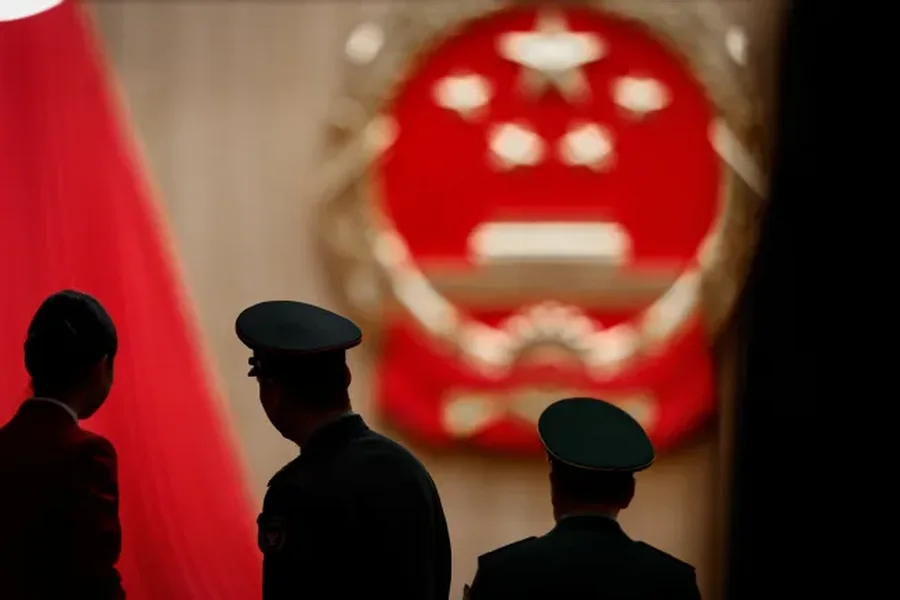
Xi Jinping's disciplinary campaign aims to transform the Communist Party and ensure its long-term sustainability
Since coming to power in 2012, Xi Jinping has launched a major crackdown on the Chinese Communist Party (CCP) and the People’s Liberation Army, purging millions of cadres, including top leaders who were previously considered untouchable. Initially, the fight against corruption was a priority of his term, but efforts have intensified significantly in recent years: in 2025, the party’s disciplinary organs opened more than a million cases, a nearly sevenfold increase compared to the beginning of his rule. In January, Xi abruptly removed top generals Zhang Youxia and Liu Zhenli, further weakening the Central Military Commission. In early April, the former head of Xinjiang, Ma Xingrui, was put under investigation. It was the first time since the post-Mao era that three Politburo members had fallen during the same five-year term.
The most common explanation for these purges is that Xi, as one of China’s most powerful leaders in decades, aims to eliminate rivals and consolidate power. This is partly true. The elimination of corrupt officials linked to his predecessors Jiang Zemin and Hu Jintao secured public support and centralized decision-making, putting Xi in a strong political position. From this perspective, he is continuing the purge because he has created enemies within the party and needs to maintain control.
However, this only partially explains the phenomenon. The disciplinary campaign is not simply a tool for eliminating rivals. It has evolved into a vast apparatus for managing cadres, implementing political priorities, and overseeing policies. Over time, it has become an attempt to transform the party itself.
While Mao urged the party to make a revolution, Xi speaks of a “self-revolution” of it. As the son of a revolutionary figure, he uses discipline not only as an instrument of control but also as a theory of governance: internal rules determine behavior and priorities, ideological education creates more committed officials, inspections increase compliance, and high-level purges serve as warnings. If this process succeeds, it could make the CCP a more stable and effective institution, capable of governing China indefinitely, regardless of who is at the helm.
Megjithatë, projekti mbetet në zhvillim. Xi ka rritur thirrjet për “vetë-revolucion” në fjalimet e fundit, duke theksuar se disiplina e brendshme dhe zhvillimi ekonomik janë të lidhura ngushtë dhe përforcojnë njëra-tjetrën. Për këtë arsye, priten spastrime të tjera, veçanërisht përpara Kongresit të 21-të të Partisë, ku ai synon të sigurojë një mandat të katërt dhe të promovojë një brez të ri drejtuesish besnikë dhe të pastër nga korrupsioni. Megjithatë, sa më shumë të thellohet ky model, aq më të dukshme bëhen edhe rreziqet, përfshirë paralizën burokratike, dobësimin e elitës dhe varësinë nga një sistem i centralizuar që mund të mos funksionojë pa Xi.
Regjimet autoritare tradicionalisht kanë pasur vështirësi në kontrollin e burokracisë së tyre. Në mungesë të gjyqësorit të pavarur, shtypit të lirë dhe zgjedhjeve konkurruese, mungojnë mekanizmat e jashtëm që kufizojnë abuzimet. Në Kinë, Komisioni Qendror për Inspektimin e Disiplinës ka ekzistuar që nga viti 1978, por për një kohë të gjatë ai ka qenë relativisht i dobët në praktikë. Gjatë periudhës pas Mao-s, korrupsioni tolerohej shpesh sepse ndihmonte në nxitjen e rritjes ekonomike.
Xi, i cili u ngjit në hierarkinë e partisë gjatë kësaj periudhe, u alarmua nga kjo situatë. Sipas një dokumenti diplomatik amerikan të vitit 2009, ai shprehte pakënaqësi personale ndaj korrupsionit dhe etjes për para që kishte vërejtur mes kolegëve të tij. Korrupsioni kërcënonte jo vetëm imazhin e partisë, por edhe aftësinë e saj për të qeverisur në mënyrë efektive.
Pasi mori pushtetin, Xi vendosi masa për të kufizuar shpenzimet luksoze të zyrtarëve dhe për të forcuar institucionet disiplinore. Ai gjithashtu përdori fushatën për të shpërbërë rrjetet rivale politike, duke goditur figura të rëndësishme të lidhura me drejtuesit e mëparshëm dhe strukturat ushtarake.
Në mandatin e dytë, karakteri i fushatës ndryshoi. Numri i spastrimeve në nivelet më të larta u ul, ndërsa fokusi u zhvendos te zyrtarët e nivelit të mesëm dhe të ulët. Disiplina u institucionalizua më tej me krijimin e Komisionit Kombëtar të Mbikëqyrjes në vitin 2018, i cili shtrin kontrollin mbi të gjithë nëpunësit publikë.
Pas sigurimit të mandatit të tretë në vitin 2022, fushata u intensifikua sërish. Hetimet arritën nivele të reja dhe u përhapën në të gjitha nivelet e administratës. Xi e lidhi këtë qasje me historinë revolucionare të partisë, duke theksuar se disiplina ka qenë gjithmonë çelësi i suksesit.
Koncepti i “vetë-revolucionit” nënkupton që partia duhet të qeverisë veten në mënyrë të rreptë, të korrigjojë problemet e brendshme dhe të ruajë pastërtinë ideologjike. Qëllimi nuk është vetëm ndëshkimi i korrupsionit, por sigurimi i zbatimit të politikave dhe forcimi i kontrollit mbi burokracinë. Shumica e ndëshkimeve janë masa të lehta që synojnë ndryshimin e sjelljes së zyrtarëve të nivelit të ulët.
Xi sees this as an existential necessity. He often refers to the collapse of the Soviet Union and Chinese history to argue that internal weakness and corruption are the main causes of regime collapse.
However, this model also has negative consequences. Strict discipline and centralization create incentives for officials to avoid risk, hide problems, and focus on formalities. This can lead to a less flexible and less innovative system. Furthermore, fear of punishment can hinder accurate reporting of problems, as was seen during the early stages of the COVID-19 pandemic.
Although Xi is aware of these criticisms, he seems determined to continue on this course. He sees “self-revolution” as a replacement for traditional mechanisms of power transition and as a way to ensure the long-term survival of the party.
In a broader perspective, this strategy aims to build an alternative model of governance that challenges Western expectations. The idea is that an authoritarian system can remain effective through internal discipline and self-correction, without the need for political pluralism or separation of powers.
If this model succeeds, it could have an impact beyond China. Beijing already promotes “self-revolution” as an alternative to Western models and has developed international cooperation in the fight against corruption.
Ultimately, Xi Jinping aims to create a more disciplined, stronger, and more stable party. But it remains unclear whether this system will work in the long term, especially in the absence of a clear transition of power. /Adapted from ForeignAffairs /



Lini një Përgjigje