


 Shkruar nga Pamfleti
International oil prices have risen again, as geopolitical tensions in the Middle East have added to uncertainty over global energy supplies. According to the BBC, the latest developments are directly linked to the escalation of the situation between Israel, Iran and its associated actors in the region.
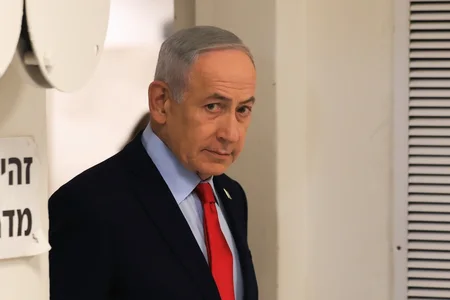
Israel has launched a new wave of attacks on military targets in Lebanon belonging to the Iranian-backed Hezbollah group. The strikes come at a time when a fragile ceasefire between the US and Iran has yet to solidify into a lasting agreement.
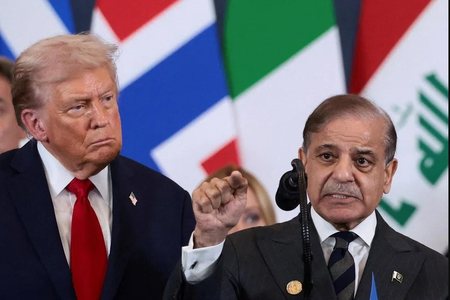
Iranian authorities reacted immediately, warning of a “regrettable response” if the attacks continued. At the same time, US President Donald Trump declared that the US military presence in the region would continue until Iran fully respected a “real” ceasefire agreement.
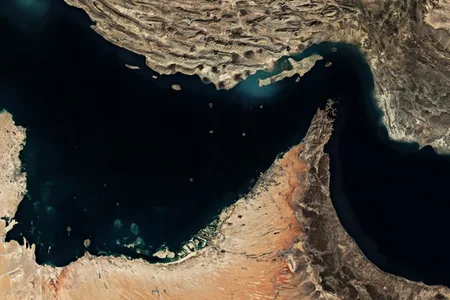
The key role of the Strait of Hormuz
A central element affecting markets is the Strait of Hormuz, one of the world's most important shipping lanes for oil. About a fifth of global oil supply passes through this strait, which connects the Persian Gulf to international markets.
Markets initially reacted positively to the announcement of a deal to reopen the strategic waterway, leading to a drop in prices on Wednesday. However, reports that Iran may keep the strait closed due to Israeli attacks have revived concerns about supply disruptions.
Market reaction and concrete figures
In this climate of uncertainty:
Brent crude rose about 2%, reaching $96.53 a barrel.
West Texas Intermediate (WTI) rose 2.8% to $97.02 a barrel.
According to Victoria Scholar from Interactive Investor, quoted by the BBC, markets are reflecting a "high level of nervousness", as investors are not convinced whether circulation in the Strait of Hormuz is really guaranteed.
Analysis from financial institutions also confirms this trend. OCBC strategist Sim Moh Siong points out that prices have been supported by the perception that US-Iran negotiations remain volatile. Meanwhile, Danny Price of Frontier Economics assesses that the relationship between the two countries is “clearly fragile,” adding to the risk for markets.




Lini një Përgjigje