


 Shkruar nga Doug Stokes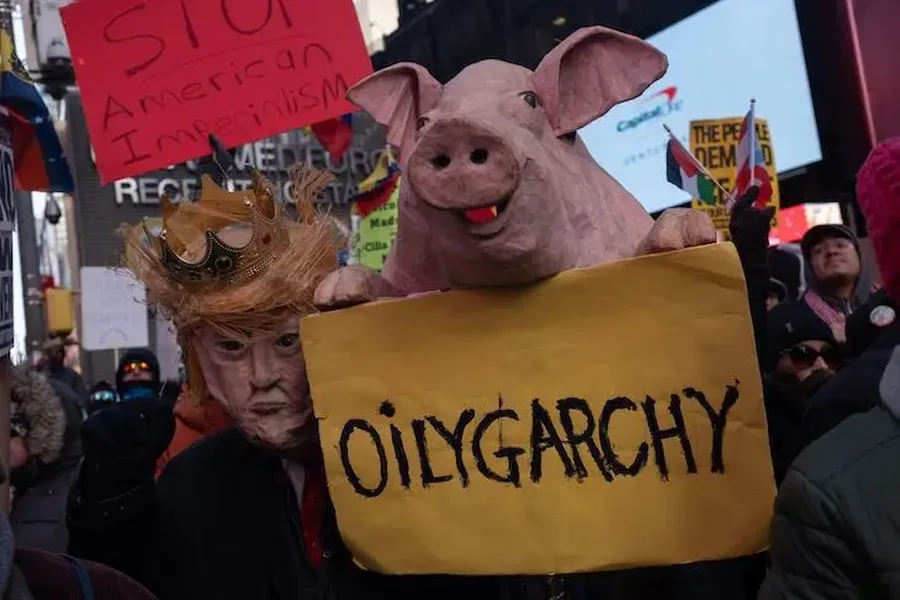
Maduro, as a strategic owner, offered the People's Liberation Army (PLA) a foothold in America's backyard. The dire scenario was never a socialist Venezuela, but an armed one, a Caribbean outpost housing Chinese intelligence capabilities, long-range bombers or missile batteries...
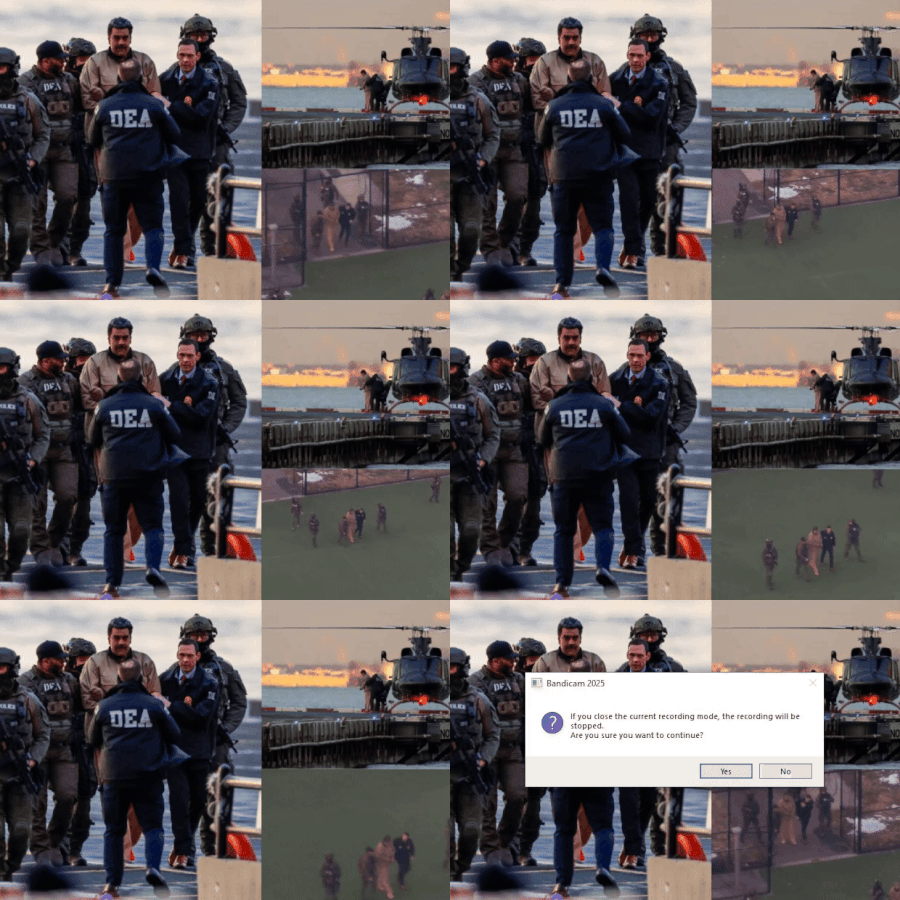
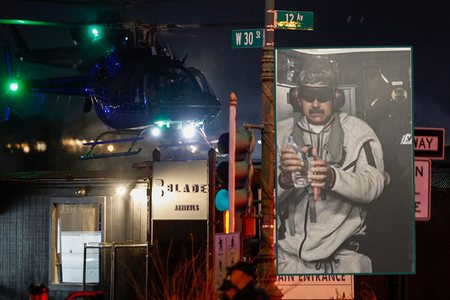
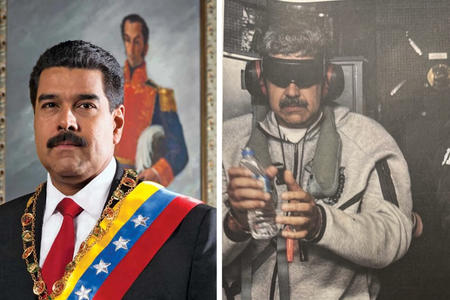
The image of Nicolás Maduro in US custody has inevitably resurrected the ghosts of foreign policy past. For the reflexively cynical observer, the narrative writes itself: a Republican White House, a Latin American strongman, and the world’s largest proven oil reserves.
As with Iraq in 2003, the slogan of American imperialism and its foreign policy of “blood for oil” circulated on social media before the dust settled on Caracas. “The night attacks on Venezuela,” writes the Guardian, and Trump’s neo-imperial declaration that “the US will run the country and sell its oil, have pushed another truck through international law and global norms.”
This is a comfortable and nostalgic criticism, harking back to the difficult days of 2003. It is also a dangerous mistake.
To see the dramatic defenestration of the Venezuelan regime as a resource raid is to misunderstand the fundamental shift in American grand strategy. Washington did not destroy the Venezuelan state because it needs more oil; it did so because it is preparing for a possible war with China. The theory of “oil imperialism” collapses under the weight of the basic data. The United States is no longer the energy-hungry giant of the late 20th century. Texas alone now accounts for roughly 43 percent of U.S. crude oil production and 31 percent of its refining capacity. America is awash in its own hydrocarbons. The strategic imperative, therefore, is not to seize Venezuela’s crude oil, which is heavy, sour, and difficult to refine, but to protect American infrastructure.
The vast refining and export complexes of the US Gulf Coast, the investment of the Western economy, are located uncomfortably close to the Venezuelan coast. In an age of hypersonic missiles and roaming munitions, the Caribbean is no longer a sleepy tourist lake; it is a vulnerable southern flank. The calculations at the Pentagon are straightforward and entirely rational: the distance from northern Venezuela to Houston is approximately 3,300 kilometers (2,050 miles); to the Panama Canal, it is barely 1,100 kilometers (680 miles).
Këtu hyn në lojë konkurrenca e fuqive të mëdha me Pekinin. Gjatë dy dekadave të fundit, ndërsa Uashingtoni ishte i zhytur në moçalin e Lindjes së Mesme, Republika Popullore e Kinës ka blerë në heshtje besnikëri në Hemisferën Perëndimore. Shifrat janë tronditëse. Në vitin 2024, tregtia midis Kinës dhe Komunitetit të Shteteve të Amerikës Latine dhe Karaibeve (CELAC) arriti në 551 miliardë dollarë (400 miliardë paund). Më konkretisht, Venezuela përbënte afërsisht 44 përqind të financimit total të zhvillimit të Kinës në rajon që nga viti 2005.
Maduro si një pronar strategjik, i ofroi Ushtrisë Çlirimtare Popullore (PLA) një pikëmbështetje në oborrin e Amerikës. Skenari i tmerrshëm nuk ishte kurrë një Venezuelë socialiste, por një e armatosur, një postë Karaibesh që strehonte kapacitete të inteligjencës kineze, bombardues me rreze të gjatë veprimi ose bateri raketash.
Nëse socializmi ishte kërcënimi, pse të godiste Venezuelën dhe jo Kubën?
Ky ankth është i lidhur pazgjidhshmërisht me të ardhmen e Tajvanit. Planifikuesit amerikanë të luftës e kuptojnë se një konflikt në Detin e Kinës Jugore nuk do të mbetej lokal. Nëse Marina Amerikane përpiqet të bllokojë Ngushticën e Malakës ose të mbrojë Taipein, kundërveprimi i Pekinit do të ishte kërcënimi i atdheut amerikan ose logjistikës së tij për të detyruar një zgjidhje të negociuar. Një Venezuelë armiqësore, e armatosur me sisteme kineze Anti-Access/Area Denial (A2/AD), mund ta mbajë peng Bregun e Gjirit, duke kontrolluar në mënyrë efektive fuqinë amerikane para se një grup i vetëm transportuesish të largohet nga porti.
Për më tepër, logjistika e një lufte në Paqësor mbështetet shumë në Kanalin e Panamasë. Shkeljet tregtare të firmave kineze në Panama e kanë shqetësuar prej kohësh Uashingtonin. Me subjekte të ndryshme me bazë në Hong Kong që kanë interesa në portet në të dy skajet e kanalit (Balboa dhe Cristóbal), rreziku i mbylljes gjatë një krize është i ndryshëm nga zero. Nëse Kanali mbyllet, Marina Amerikane detyrohet të lundrojë gjatë rreth Ngushticës së Magellanit. Duke larguar Maduron, SHBA-të në mënyrë efektive thyejnë krahun verior të një lëvizjeje të mundshme kineze në Karaibe.
Operacioni, i paraqitur në dukje si një veprim i zbatimit të ligjit kundër "narkoterrorizmit", shërben për një qëllim të dyfishtë. Aktakuza që detajon 25 vjet trafik kokaine të sponsorizuar nga shteti ofroi mbulesën ligjore, por koha zbulon qëllimin gjeopolitik. Ky është zbatimi i një Doktrine të re dhe muskulore Monroe. Ajo sinjalizon një tërheqje nga roli i "Policit Global" dhe një kthesë drejt "Kalasë Rajonale". Administrata Trump ka sinjalizuar se mund të tolerojë kaosin në Donbas ose Levant. Megjithatë, ajo nuk do të tolerojë një konkurrent të ngjashëm që krijon një bazë operative të avancuar në Amerikë.
Maduro’s fall is also a harsh rebuke to the Kremlin, though less strategically damaging to Moscow than to Beijing. While Russia loses a platform for its power projection and a rhetorical ally that validated Putin’s own authoritarianism, it is China that suffers the material loss. Beijing’s patient and costly cultivation of influence has been undone overnight.
Ultimately, those looking for the logic behind this intervention in ExxonMobil's balance sheets are looking in the wrong place. This wasn't about corporate profits. It was about the grand chessboard of the 21st century.
The capture of Maduro was a preparatory act, a clearing of the decks in preparation for a longer game of competition between great powers.
The United States has decided that if it must confront the dragon in the Pacific, it will not allow it to breathe down its neck in the Caribbean. /Adapted from The Spectator /



Lini një Përgjigje