


 Shkruar nga Pamfleti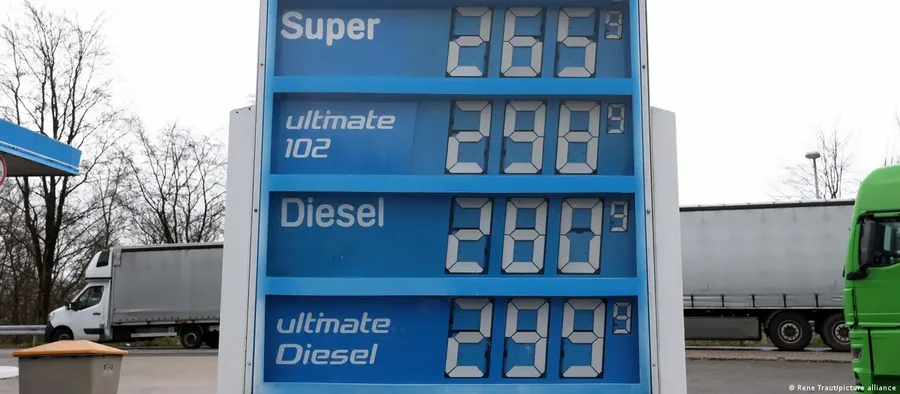
The de facto closure of the Strait of Hormuz is bringing Russia additional revenue of over ten billion euros per month from the export of oil, gas and fertilizers, according to estimates by the German-Russian Chamber of Foreign Trade. "In this way, Russia is the biggest beneficiary of the war in the Middle East," the chamber's president, Matthias Schepp, told the DPA news agency.
Russia is benefiting from rising raw material prices on the world market by exporting via other routes. All of this could bring the country "a huge windfall," Schepp said.
Oil prices are rising, Russia is winning
The impact of high oil prices is particularly significant. The price of Brent crude oil exceeded $111 per barrel at the beginning of the week. That's almost $40 more than before the war.
This is of great importance for the Russian budget, because it depends heavily on oil and gas revenues. Before the Iran war, the price went up to $59 per barrel. Russia even ran a deficit due to lower oil prices.
At a price of $100 per barrel, Russia will earn tens of billions more, predicts the German-Russian Chamber of Foreign Trade. From oil and gas alone, at current price levels, additional revenues of around $50 billion per year are possible.
The German-Russian Chamber of Foreign Trade expects Russia to earn more from waste as well. The average scenario predicts up to 8.9 billion euros more.
War financing
The increase in exports affects the financing of the war in Ukraine. The German-Russian Chamber of Foreign Trade emphasizes that with the income from raw materials, Russia finances its offensive war in Ukraine. In Moscow, they hope that prices will go up to $ 200 per barrel. In this case, the income would amount to $ 350.4 billion - that is, $ 247 billion more than the budgeted amount.
With sanctions imposed on Russia due to the war in Ukraine, many countries are importing significantly fewer Russian raw materials, but normal trade continues with many others and through other routes./ DW



Lini një Përgjigje