


 Shkruar nga Pamfleti
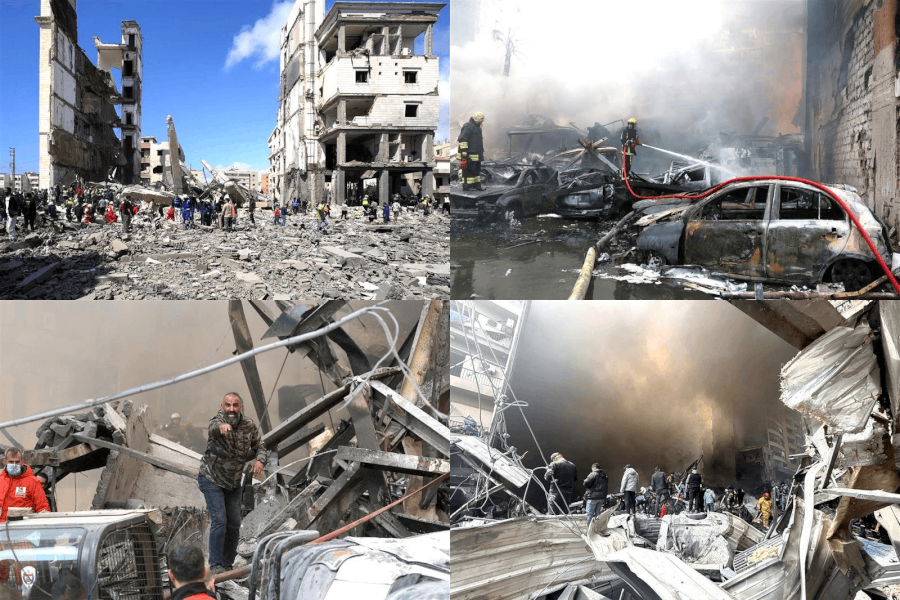
The Iranian regime was at the weakest point in its history on the eve of the US-Israeli war in late February, with much of its influence eroded by its adversaries over the previous two years. Six weeks later, it emerged battered, but with strategic gains not seen even during the era of the powerful Western-allied Shah.
The two-week ceasefire announced by Iran and the United States could leave Tehran in effective control of the world's most important maritime hotspot. When U.S. President Donald Trump ordered Iran to reopen the Strait of Hormuz, he did not demand that Iran give up its position. Instead, he reinforced a letter from Iran's foreign minister asserting Tehran's authority over the waterway.
Previously, Iran’s status as a nuclear-threatened state and its network of regional proxy groups allowed it to project power. Now, Hormuz has effectively replaced both as its greatest source of influence—though its reopening has been hailed by Trump as a major achievement, despite the fact that shipping had flowed freely through the strait before the war, with no state exerting control over it.
Continued control over the strait and the possible imposition of transit fees by Iran would mark a dramatic break with the international maritime order, giving Tehran effective veto power over what passes through it - from food imports to oil and gas exports from its Arab neighbors.
During the era of Iran’s shah, or monarch, the Gulf Arab states viewed Tehran as a bully, the so-called “policeman of the Gulf.” An end to the war that leaves Iran in control of the Strait of Hormuz risks turning that perception into reality.



Lini një Përgjigje