


 Shkruar nga Pamfleti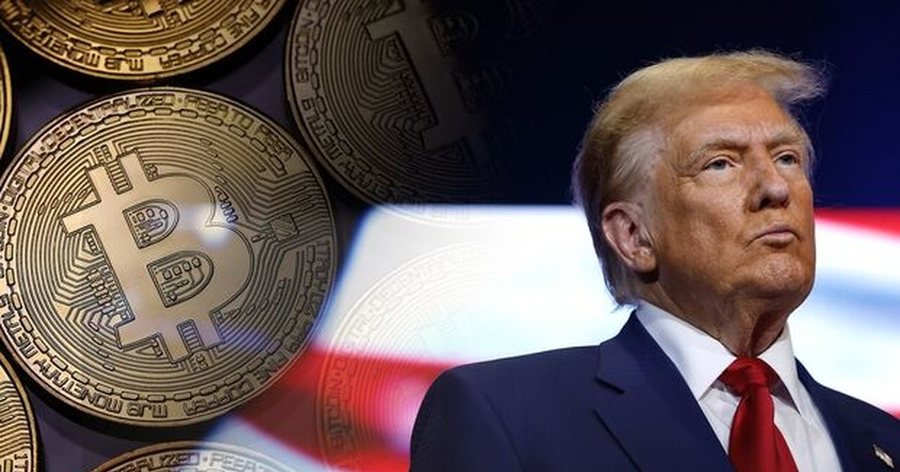
The arrival of Donald Trump as the "first crypto president" has stirred the industry in anticipation of a golden age for cryptocurrencies.
Among a host of expected changes, cryptocurrency enthusiasts are particularly eager to see Trump follow through on a promise he made in July to create a national bitcoin reserve.
And with Trump now set to return to the White House in January, the promise has helped push bitcoin to a series of record highs, with little sign of an imminent slowdown.
"I think it's exciting in the sense that it certainly lends credibility to cryptocurrencies and bitcoin," Scott Mason, a senior policy advisor at Holland&Knight with expertise in blockchain and crypto, told Business Insider.
What would a "bitcoin reserve" do?
In the same week that Trump pledged to create a national reserve, Wyoming Sen. Cynthia Lummis "laid out the blueprint" for what such a thing might look like.
Under its so-called BITCOIN Act, the US would hoard 1 million bitcoins over 20 years, with the goal of owning roughly 5% of the total supply.
“Bitcoin has been appreciated since the beginning. This would be an asset that could help support the US dollar as the world's reserve currency and serve as a reserve that could be used to significantly reduce the national debt," she explained.
It is also assumed that the appreciating value of bitcoin will counterbalance the weakening of the dollar in the event of another period of inflation.
"This is the kind of action that would cost us very little financially, but could have a profound impact on our financial health going forward," wrote expert Anthony Pompliano, calling for the US to "print" $250 billion for accumulated more bitcoins.
However, not everyone is convinced.
Ananya Kumar, deputy director for the future of money at the Atlantic Council's GeoEconomics Center, is unsure about bitcoin's role as an inflation hedge.
Unlike gold, she said the currency still tends to follow the stock market.
If the US invests in an unstable asset, it risks "downstream" effects on the economy, she warned.
Other lingering issues also remain, such as whether the American public — most of whom don't own bitcoins — will favor the idea.
Regardless, whatever the obstacles, investors are largely optimistic that a backup will come next year.
In fact, according to betting market Kalshi, there is a 64% chance of it happening before 2026.
But it could all depend on Congress, where support seems lacking right now, thinks crypto-billionaire Michael Novogratz.
"While Republicans control the Senate, they don't have 60 seats," the Galaxy founder told Bloomberg TV, questioning the need for a reserve.
Congress will eventually have to cooperate with the Federal Reserve and the Treasury, and it may take some time for that to happen.
Both Kumar and Mason said they don't expect Capitol Hill to prioritize the reserve.
What would happen to bitcoin?
Novogratz predicted that the event would constitute such a change that it would send bitcoin to the value of $500,000.
His prediction is based on the idea that other countries would feel pressured to follow suit and create their own bitcoin reserves.
The same theory is why Matt Mena, crypto research strategist at 21Shares, previously told BI that bitcoin could rise to $1 million "almost overnight."
"Such a move would prompt a rush from other countries..., spurring global competition to build reserves," he said via email, predicting that "in this scenario, Bitcoin's total market cap could easily exceed that of gold".
But Kumar doesn't expect the reserve's impact to be so direct.
As stated at the end, experts can take an example from the fact that countries tend to have an oil reserve and the price of oil can be affected when they increase or decrease their reserves.
The difference, however, is that oil is strategically important during major supply disruptions, while the importance of bitcoin as an asset to the governments that own it is still being debated.







Lini një Përgjigje