


 Shkruar nga Pamfleti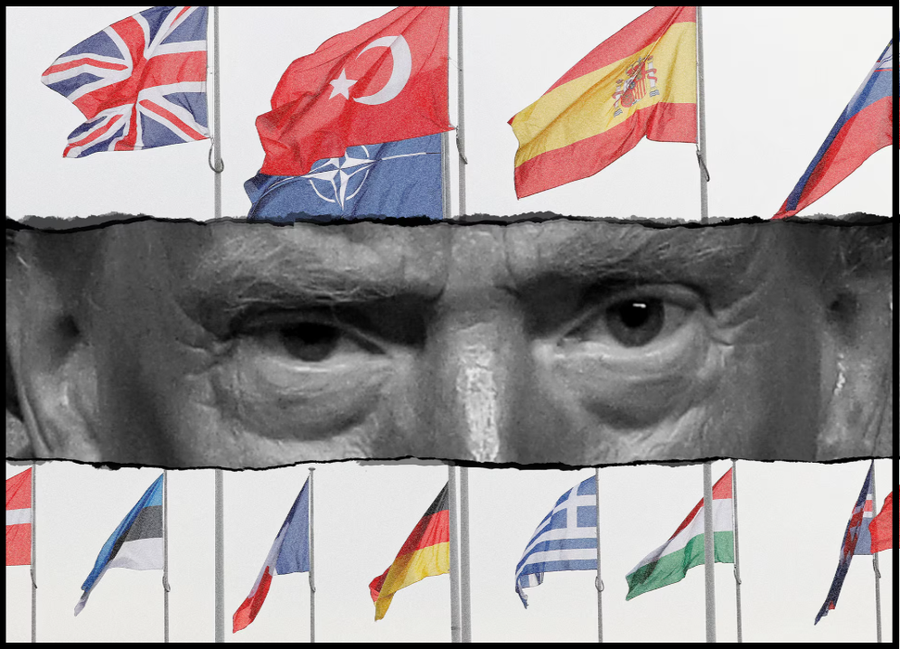
Chaos in Washington, even American diplomats remain without information. Only Trump's cronies are in the game...
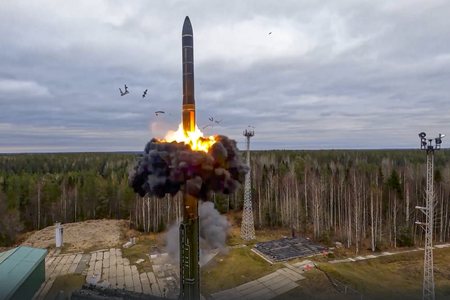
When Donald Trump warned Iran on April 7 that "an entire civilization could die tonight," the alarm wasn't just raised in Tehran. In Washington, European diplomats immediately sought to understand whether the US president was seriously considering using nuclear weapons.
Fears in Europe and Asia went far beyond Trump's statement itself. There was concern that Russia could use the same precedent to justify similar threats against Ukraine, opening a nuclear crisis on two continents simultaneously.
European governments urgently sought clarification through the US State Department, but the response they received was shocking: US officials themselves did not know what Trump had meant or what his statements might mean.
This episode is being seen as the clearest sign yet of the breakdown of traditional American diplomacy. At a time when the US president is shaking up allies and global markets with strong and unpredictable statements, many governments are discovering that classic US diplomatic channels no longer work as they once did.
More than half of the U.S. ambassadorial positions around the world are currently vacant. Of the 195 diplomatic posts, more than 100 are empty. Many embassies are headed by chargés d'affaires rather than confirmed ambassadors, while thousands of career diplomats have been dismissed, fired or relocated by the Trump administration.
Marco Rubio had called the US State Department a “bloated” bureaucracy and had initiated a deep reform of the US diplomatic structure. Within a year, about 3,000 employees left the department, while the administration began gradually replacing career diplomats with people politically loyal to Trump.
In many cases, American allies no longer communicate through embassies or official channels. Many governments have begun to seek direct contact with Trump's closest people, such as Jared Kushner or Steve Witkoff, because American diplomats themselves often have no information about the president's real decisions.
This has created an unusual situation in global diplomacy. Instead of traditional institutional analysis and coordination, many governments are trying to interpret Trump's social media posts to understand the direction of American policy.
At the White House National Security Council, some officials reportedly kept Trump's Social Truth account open at all times to understand American foreign policy signals.
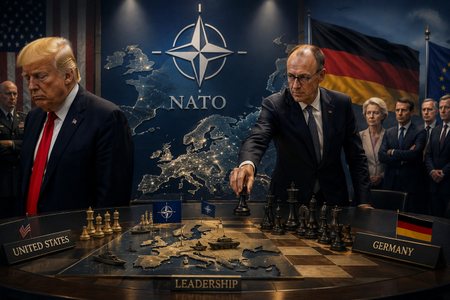
At the same time, European allies have begun to change the way they respond to the US president. After the threat to Iran, Britain, France and Germany drafted a harsh statement against Trump, but decided not to publish it. The reason was the fear that a public reaction could push the US president towards further military escalation.
At the end of the day, Trump declared a ceasefire with Iran.
But for many European diplomats, the biggest problem is not just the US president's aggressive rhetoric. The real concern is that no one knows anymore whether Trump's statements are political pressure, real threats or decisions that could change in a matter of hours.
In some cases, even American diplomats themselves have been left out of the information chain.
Former US ambassador to Ukraine Bridget Brink said that when the Trump administration suspended military aid to Kiev, no one at the embassy received an explanation. She said she contacted the Pentagon, the State Department and the White House to understand why, but received no response.
Meanwhile, influence in American diplomacy is increasingly shifting to figures outside traditional state structures. Jared Kushner and Steve Witkoff are managing negotiations on Ukraine, Gaza, and Iran, even though they lack traditional diplomatic experience or deep expertise in strategic matters.
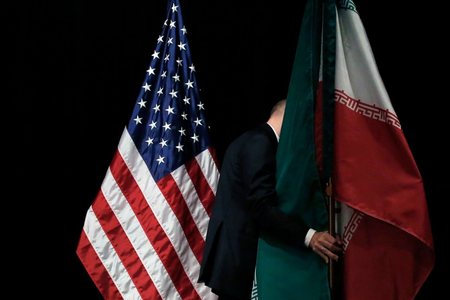
In negotiations with Iran, European diplomats reported that the American team had difficulty understanding the technical elements of the Iranian nuclear program and that it was often the Europeans themselves who explained the basic aspects of the negotiations.
In many European and Asian capitals, the belief is emerging that American diplomacy is now functioning on personal relationships and no longer on institutions.
This is why countries like South Korea and Japan have begun using alternative channels to reach Trump directly, bypassing official American diplomats and negotiators.
For US allies, the dilemma has become increasingly greater: should Trump's threats be taken seriously or should they be considered mere political rhetoric?
Because the biggest danger is not just what Trump says, but the fact that no one knows for sure anymore what America will do. / Taken with abbreviations from "Reuters"


Mirë i ka thone Dibroni, dheti më mut kesaj pune.
Ket po don me bo karagjozi yne udheheqsi boteror me ate m.. e vogel qe i lepin b... cdo kryeministri dhe cdo njeriu sa kohe qe i ka nevojen e pastaj i fut thiken Ferit legeni kta kujtojn se ta jan e askush tjeter koha e maskarenjve me diploma po te pangop me buk dikur e pa brek