


 Shkruar nga Abdullah Bozkurt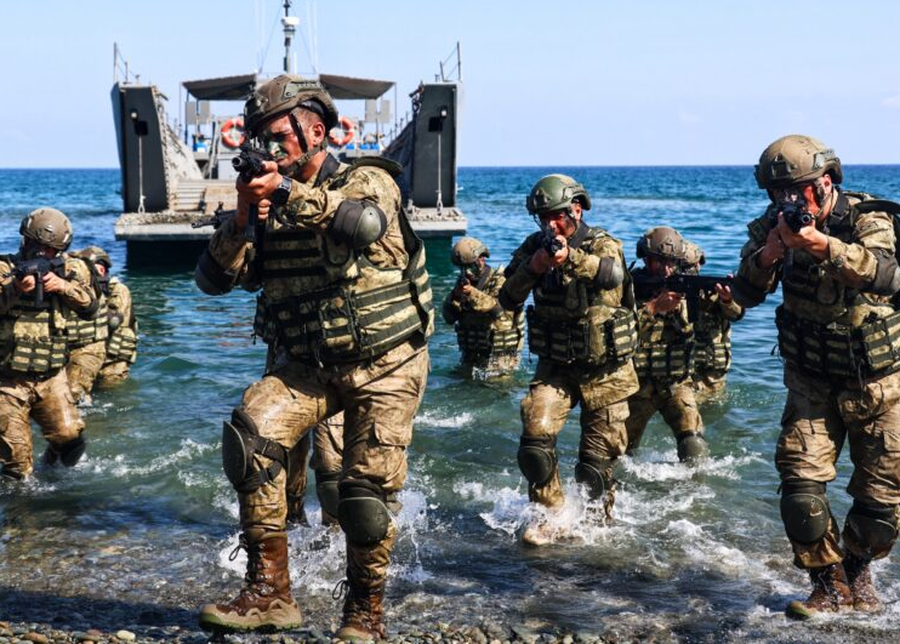
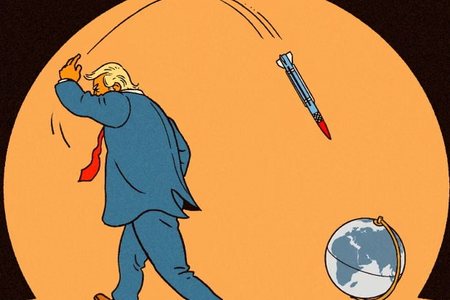
Through decrees for total mobilization and changes in military doctrine, Erdogan is orienting Turkey towards a possible military confrontation with Israel. With absolute control over the army and civilian infrastructure, Ankara is eliminating any institutional obstacles to operations on Syrian territory...
A series of recent measures adopted by the government of Turkish President Recep Tayyip Erdogan shows that the country is preparing for a war scenario, characterized by radical changes in military and civilian mobilization rules, expansion of logistical supply systems and an aggressive push to advance missile and drone capabilities.
Although Ankara has not explicitly identified a specific adversary, growing evidence suggests that the Erdogan government is steering Turkey toward a possible military confrontation with Israel, perhaps on Syrian territory.
This concern is reinforced by the increasingly belligerent rhetoric of senior officials and a noticeable shift in Turkey's strategic doctrine, in which the Jewish state is now regarded as a fundamental threat to national security.
Erdogan has tried to push Turkey toward such a clash before. In 2010, after the deadly Mavi Marmara incident in the Eastern Mediterranean, he called for a military response against Israel, but was blocked by resistance from senior Turkish generals.
Now this institutional structure has completely disintegrated. Over the past decade, Erdogan has systematically consolidated power and reshaped the state apparatus.
In 2014, he closed a long-running counterterrorism investigation into a network linked to the Quds Force of Iran's Islamic Revolutionary Guard Corps, paving the way for pro-Iranian figures to rise in the intelligence services, police, military and diplomacy.
After the 2016 coup attempt, Erdogan carried out massive purges that removed tens of thousands of officers, including much of the pro-NATO leadership within the armed forces. He appointed Adnan Tanrıverdi, the founder of the paramilitary group SADAT, as his top military advisor and consolidated his executive powers after the 2018 referendum.
Under his leadership, Turkey has expanded its military presence abroad, arming Islamist groups in Syria and Libya and establishing bases from Somalia to Qatar. Ankara has also deepened ties with Hamas, offering operatives shelter, funding and even Turkish citizenship.
At the same time, the Turkish secret service has escalated strikes against Israeli networks, while ignoring the presence of jihadists and Iranian intelligence on Turkish territory.
Shenja më e qartë e këtij përgatitjeje u pa më 22 maj 2024, kur Erdogan nxori një dekret presidencial që prezantoi Rregulloren e re të Mobilizimit dhe Gjendjes së Luftës. Kjo rregullore e zgjeron në mënyrë dramatike autoritetin e qeverisë për të mobilizuar të gjithë infrastrukturën civile, ekonomike dhe institucionale për skenarë konflikti.
Duke zëvendësuar kornizat e vjetra, ajo vendos një sistem të krijuar për të kaluar vendin me shpejtësi në gjendje lufte, madje edhe pa një deklaratë formale. Në thelbin e saj, është koncepti i gatishmërisë së vazhdueshme në periudha “tensioni” dhe “krize”.
Këto kategori janë qëllimisht të paqarta, duke përfshirë trazira të brendshme ose kërcënime të perceptuara, duke e ulur ndjeshëm pragun për përdorimin e kompetencave të jashtëzakonshme.
Rregullorja prezanton doktrinën e “mbrojtjes tërësore kombëtare”, ku mund të sekuestrohen institucionet publike, kompanitë private dhe asetet e transportit si anijet e avionët. Civilët me aftësi të specializuara mund të caktohen në role mbështetëse ushtarake, ndërsa kompanitë mund të detyrohen që të prodhojnë mallra ushtarake. Rezervistët duhet të paraqiten brenda 48 orëve, ndërsa pronarët e mjeteve civile brenda 6 orëve. Autoriteti është konsoliduar tërësisht te presidenti, i cili mund të vendosë institucionet civile nën kontrollin operacional ushtarak dhe të rregullojë procedurat e evakuimit.
Ndonëse vendimet duhet t’i paraqiten formalisht parlamentit, dekreti lejon zbatimin e menjëhershëm. Sistemi mbështetet në mbledhjen e gjerë të të dhënave mbi burimet kombëtare, të ruajtura në sisteme elektronike të centralizuara.
Autoritetet gëzojnë kompetenca për të inspektuar entitetet private dhe siguruar pajtueshmërinë e tyre me planet e mobilizimit. Personeli i Inteligjencës Kombëtare (MIT) mbetet nën autoritetin e agjencisë së tyre, duke nënvizuar rëndësinë e operacioneve sekrete.
Mekanizmat ekonomikë janë gjithashtu pjesë e kornizës, me buxhete të planifikuara për emergjenca dhe grumbullim të mallrave jetikë në rast lufte. Shteti mund të detyrojë ofrimin e shërbimeve kur burimet financiare janë të pamjaftueshme. Rregullorja e vitit 2024, ndryshon rrënjësisht nga ajo e vitit 1990, e cila ishte më e ngurtë dhe mbështetej në kabinetin qeveritar. Modeli i ri është proaktiv dhe centralizon vendimmarrjen te Erdogan pa asnjë kufizim institucional.
Sektori privat është integruar thellë në planifikimin ushtarak përmes protokolleve paraprake. Zhvillime të tjera, si rregulloret për vendstrehimet në ndërtesa dhe blerja e sistemeve të transportit të karburantit, e përforcojnë më tej idenë e përgatitjes për një konflikt të gjatë.
Edhe pse Turqia ka infrastrukturë të karburantit të integruar në NATO, autoritetet po shtojnë kapacitete të pavarura logjistike. Retorika armiqësore ndaj Izraelit dhe lëvdatat për Hamasin si “mbrojtës i interesave të Turqisë” nuk janë më thjesht fjalë, por po formësojnë politikat e agjencive shtetërore.
Adnan Tanrıverdi, the architect of the military purges, played a key role in replacing experienced, secular officers with Islamist loyalists. During the 2010 crisis, the generals warned of the dangers of a direct confrontation, preventing escalation.
They did the same thing at the beginning of the Syrian conflict. But after 2016, this balance was broken. More than 2/3 of the generals were eliminated and the army was restructured on ideological grounds. Today, the Turkish army is dominated by neo-nationalist and pro-Iranian elements.
Without the institutional checks of the past, there is no internal force left to challenge Erdogan's strategic decisions. If he chooses war with Israel, the path is legally and operationally open.
This transformation shows that Turkey is moving towards a form of military governance dominated from above, where civilian life, economic activity, and state institutions have become an inseparable part of the military machinery.
By blurring the boundaries between peacetime and emergency, the current regime has created an environment where the country's resources can be immediately channeled towards a war that once seemed unthinkable, but which is now part of Ankara's official plans. / Pamphlet from "Nordic Monitor"




Sa qef kam t'i hane kokat me njeri tjetrin e te shpetojme nga sherret e tyre.
A e din ndonjeri se ku ishte IzraelKRIMI gjate perandorise Osmane.Dhe kush ishte IRANI ne ate periudhe jo te vogel,por rreth 500 vjecare. Shqiptaret kane dege jo te vogla popullsie me RRENJE IRANIANE,dhe pasts him e dhe Turke. Ne nuk mbeshtesim rregjimin Iranian,por nuk mund te anashkalojme GJENOCIDIN E RI NEONAZIST te HEBRENJEVE,ose sic i percakton Europa,CIFUTE,ndaj POPULLIT PALESTINEZ. IZRAELI ASHT SHTET KRIMINAL-REVANSHIST,PUSHTUES-KOLONIZATOR ne shekullin qe jetojme. Ne I kemi ndihmu HEBRENJTE,i kemi ruajt nga Nazistet!….Nga ato NAZISTE QE BASHKUAN TROJET SHQIPTARE te ndara pa drejtesisht nga Europa dhe BRSS bolsheviko-komuniste. ERDOGAN ka marre vendim te sakte ne 2024-shin,sepse Ai I ka ma afer dhe I njeh mire Kancerozet Izraelit.