


 Shkruar nga David Casa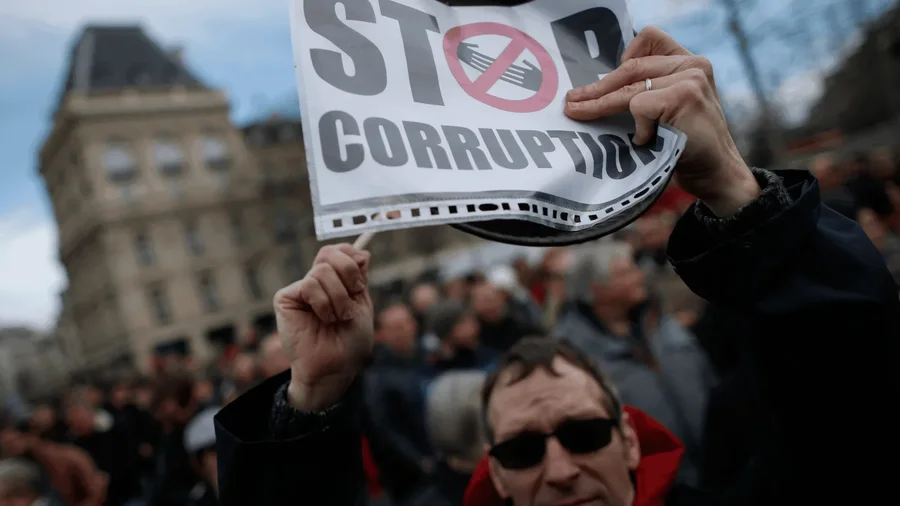
The new law establishes uniform rules across the European Union for the first time to crack down on financial crime. Now, offenses such as bribery or abuse of office will be prosecuted with the same rigor in every member state, closing the loopholes that previously protected the corrupt. Beyond penalties, the directive introduces a strict system of prevention and monitoring from Brussels, as a vital step to protect public money and restore trust in justice...
For too long, the fight against corruption in Europe has been fought with “tied hands.” Because each country has had different standards, we have been faced with fragmented justice systems, endlessly dragging out processes, and a lack of political will to change things for the better.
We in Malta know better than anyone the cost of this paralysis. We have seen with our own eyes how corruption can rot the foundations of democracy, how justice can be delayed for years, and how an entire society is left waiting for answers that its institutions are unwilling or unable to provide.
European citizens have long demanded a stronger response from Brussels. And we finally got it. After months of intense negotiations, we reached a historic agreement on the EU's first Anti-Corruption Directive.
This document will establish, for the first time, unified standards across the bloc on how this crime is identified, investigated and prosecuted. As negotiators, we had a clear mission: to end impunity and draft a law with teeth.
We believe that no one, regardless of power, is above the law. Until now, what was considered a crime in one country could be interpreted differently in another. This was an “Achilles Heel” for cross-border justice, as it made it almost impossible for the EU to monitor member states.
With new definitions at EU level, this legal gap is closed once and for all. The directive harmonises rules on bribery, embezzlement, trading in influence, obstruction of justice, unjust enrichment and abuse of public office.
The European Parliament has been pushing hard for these crimes to become a mandatory part of the criminal codes of every member state, while respecting the legal traditions of each country. For us in Malta, this comes as a response to an urgent need.
The public inquiry into the murder of journalist Daphne Caruana Galizia called for legal measures that our government has completely ignored. Now, for cases such as abuse of office, the Maltese government will be legally obliged to criminalize serious violations.
But this victory goes beyond a single country. By setting clear maximum penalties and minimum statutes of limitations, we have created a shield that prevents member states from turning back on their path to legality.
Moreover, the directive does not stop at developments in the courtroom. It introduces a preventive package that obliges states to assess corruption risks comprehensively, through concrete strategies and campaigns, especially in the public sector.
For the first time, Brussels will collect data and closely monitor how each country's anti-corruption apparatus works. Impunity erodes trust in democracy and strikes at our most cherished values.
Corruption costs the EU billions of euros every year, and undermines the principles of good governance for every citizen. This directive addresses these very wounds, making Europe a safer and fairer place to live and work.
The road to getting here was not paved with flowers. We faced resistance from governments that did not want such strict obligations. We had to find a balance between our ambition and the different legal traditions of the member states.
But the result is the strongest law we could have passed. We have set the standards, but we are not satisfied with that. We expect the fight against corruption to be real, not just on paper. This is a new and powerful tool in our arsenal to hold states accountable and bring the corrupt to where they belong: before justice.
This agreement is a great victory, but it is not the end of the journey. Now we must work towards its swift adoption, and above all, an implementation that respects not only the letter but also the spirit of this law./ Adapted from "Pamphlet" by "Times of Malta"
*Note: David Casa is an MEP for the Nationalist Party.







Lini një Përgjigje